
As electric and hybrid propulsion move from novelty to necessity, a new wave of e-tenders is quietly redefining what a support craft can be. Sleek, silent, and increasingly capable, these vessels are showing that clean power isn’t just the future of yachting, it’s already here. Four standout models are leading that charge, each proving that zero-emission boating can meet the realities of daily use.
RS Pulse 63: A Purpose-Built Performer
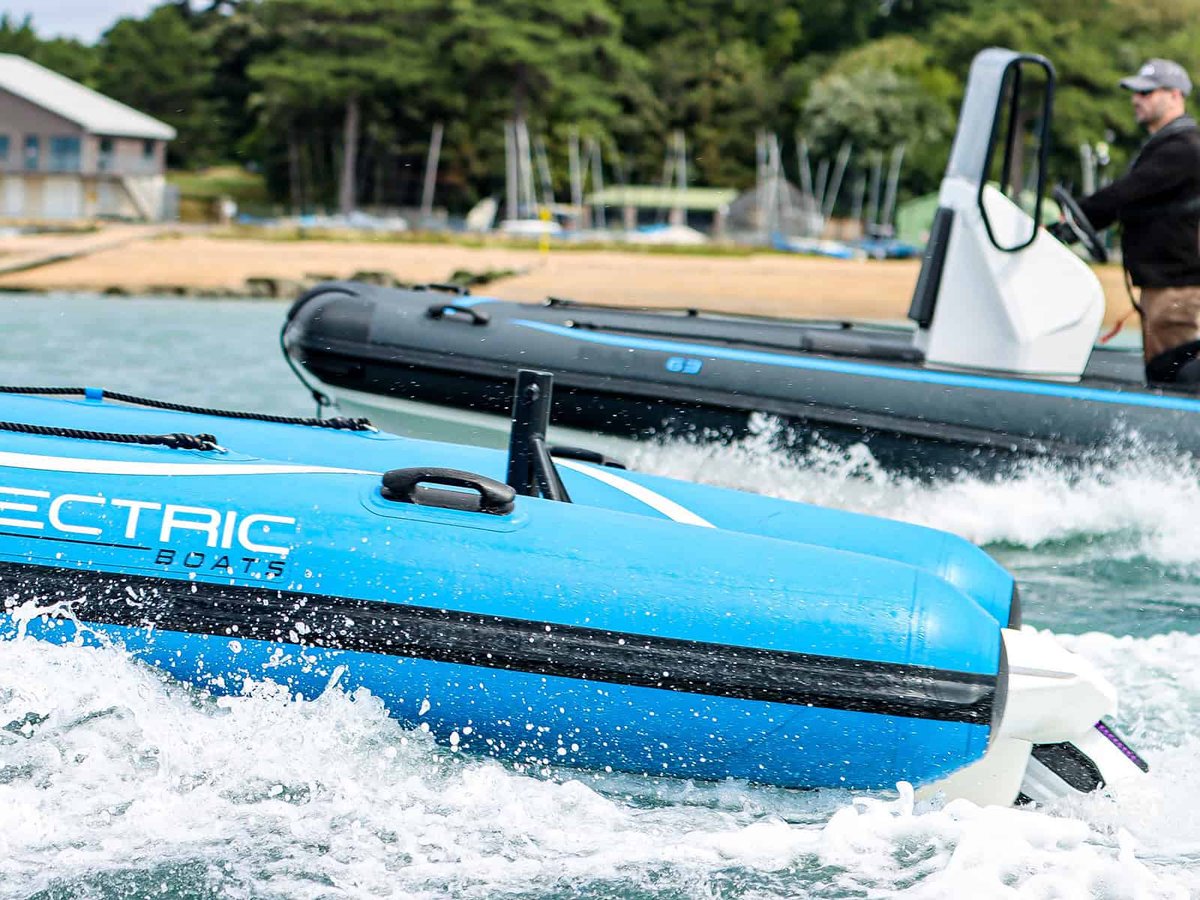
RS Electric Boats’ Pulse 63 takes a different route from most of its peers.
“The RS Pulse 63 was conceived and engineered as an electric boat from day one, not a conventional craft retrofitted with electric propulsion,” said Alex Middleton, head of electrical engineering at RS Electric Boats, “Every element of its design, from hull form to weight distribution, has been optimized for electric power.”
The result is a practical RIB that delivers up to 100 nautical miles of range in ideal conditions and a top speed of 23 knots. Its cathedral hull places the battery low in the vessel for stability and ride comfort. Capable of turning within its own length, it excels in tight marinas and harbors. Low maintenance, no oil changes, and plug-in simplicity make it a functional, sustainable workboat.
Falcon E8: Elegance Meets Endurance
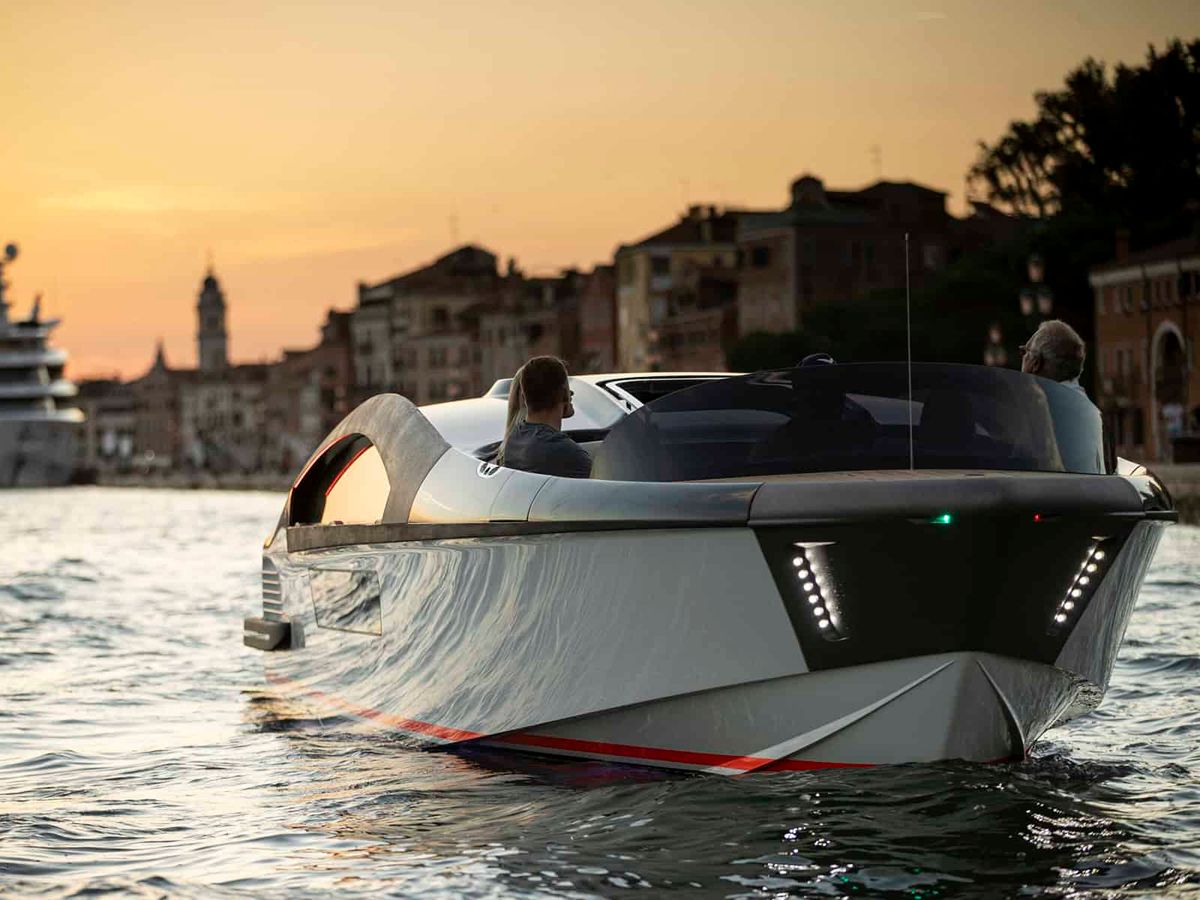
A ThirtyC design in collaboration with Falcon, the Falcon E8 blends electric propulsion with superyacht-level craftsmanship. Sporting dual battery options, 63 kWh or 126 kWh, which deliver about 30 nautical miles at cruising speed and nearly 30 knots flat-out and a fast DC charging from 20% to 80% takes under an hour.
Crew praise its near-silent operation and limousine-smooth ride. Its 2.5-ton weight limits storage flexibility and heavier sea handling, but for mid-range guest transfers in calm conditions, the E8 is among the first electric tenders truly ready for daily service.
Hodgdon Venetian Electric: Limo Luxury, Zero Emissions
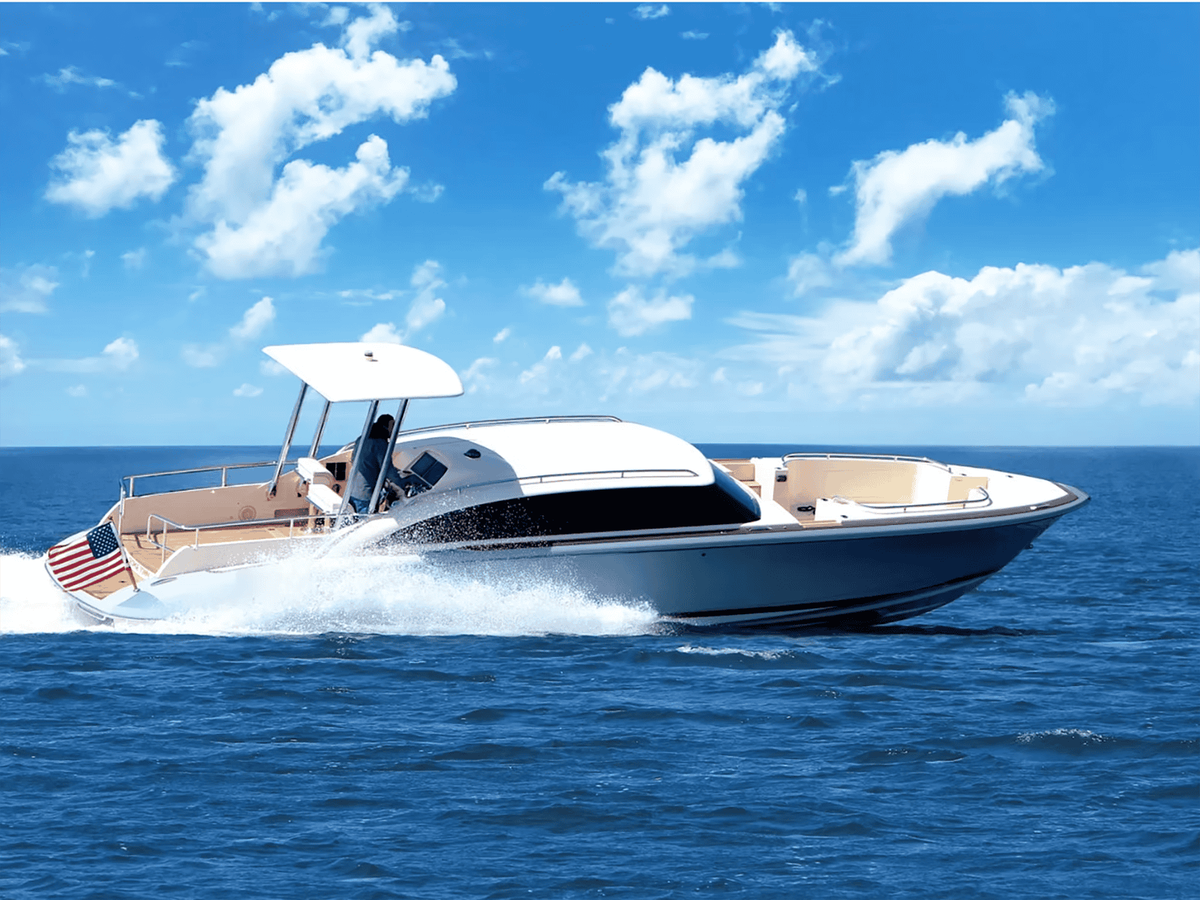
Hodgdon’s Venetian Electric caters to owners who want a tender that matches the prestige of the mothership. Available in 10.5- and 12-meter versions and powered by Vita Power systems, it delivers the equivalent of 295 to 590 horsepower and reaches speeds of up to 34 knots. Fast charging and custom interiors make it well-suited for high-end charters and emission-restricted ports, such as Monaco and Portofino.
It’s not the most versatile or space-efficient option, but as a floating showcase of craftsmanship and quiet power, it signals the direction of luxury yachting.
EJET 4X: Compact, Thrilling, and Evolving
At the smaller end, the EJET 4X brings electric excitement in a compact coastal leisure package. Delivering 60 kW of continuous power, a 35-knot top speed, and a 45-mile range, it’s ideal for quick runs and watersports. Jet propulsion makes it safe for swimmers, while low maintenance and simple charging add to its appeal.
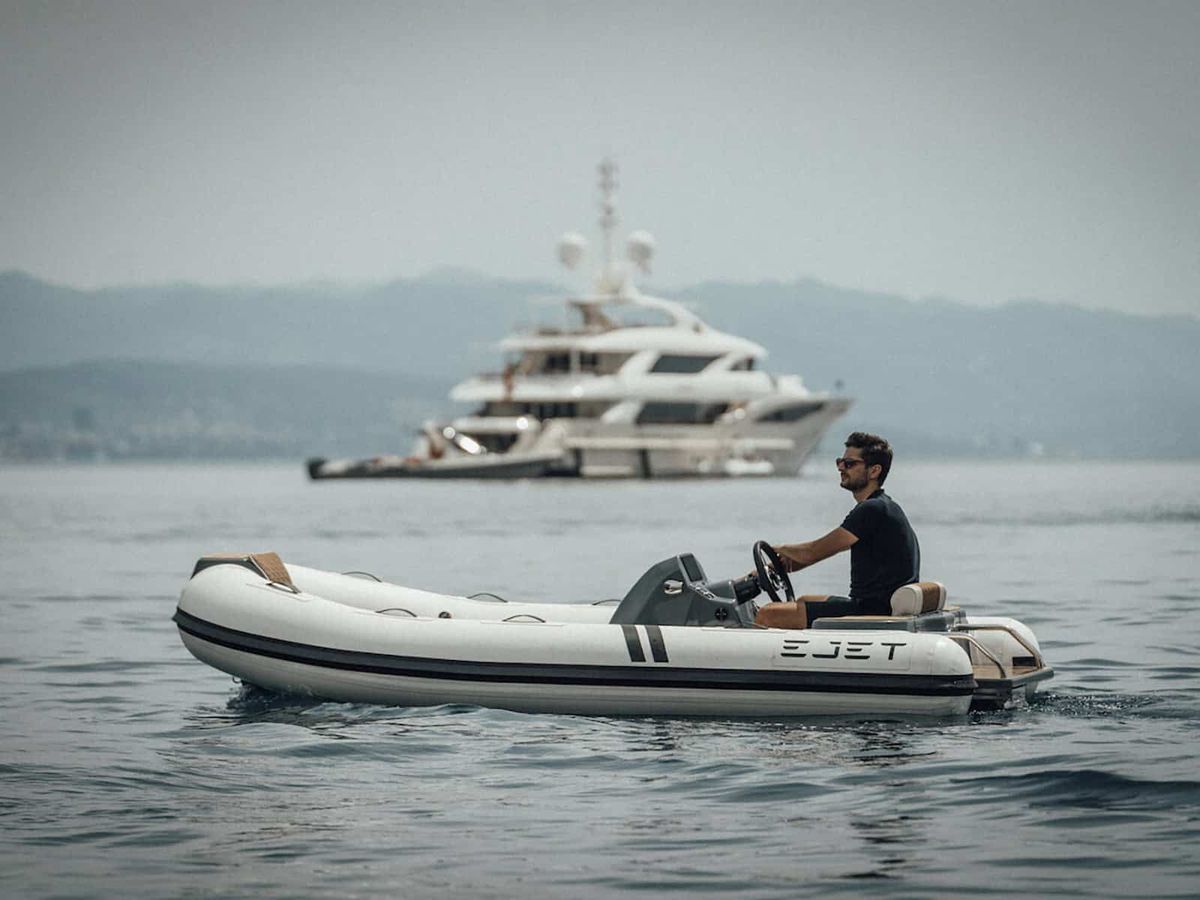
Through in-house propulsion development, “We've built a high-performance electric drivetrain with outstanding range, capable of matching and even exceeding the performance of petrol-powered tenders,” said EJET founder and CEO Žiga Jarc. “EJET is currently offering the only electric tender on the market that delivers the excitement and capability of a combustion boat, but with the benefits of electric propulsion.”
“Our focus now is on pushing electric propulsion even further,” he said. “Looking ahead, we’re developing our new 9X tender model, set to launch next summer.”
Verdict: Almost There
These vessels showcase the advancements in electric propulsion and how close it is to becoming standard. Some challenges may remain in the charging infrastructure, integration, and range management; however, performance, comfort, and reliability are already on board.
As Middleton said, “The RS Pulse 63 isn’t an adaptation, it’s a purpose-built electric tender that redefines how electric propulsion can perform on the water.”
For owners planning their next upgrade, the question isn’t whether electric tenders will go mainstream; it’s when your yacht will be ready to support one.