
The world is waiting to be explored for crew who yearn for broader horizons. Is the explorer lifestyle for you?
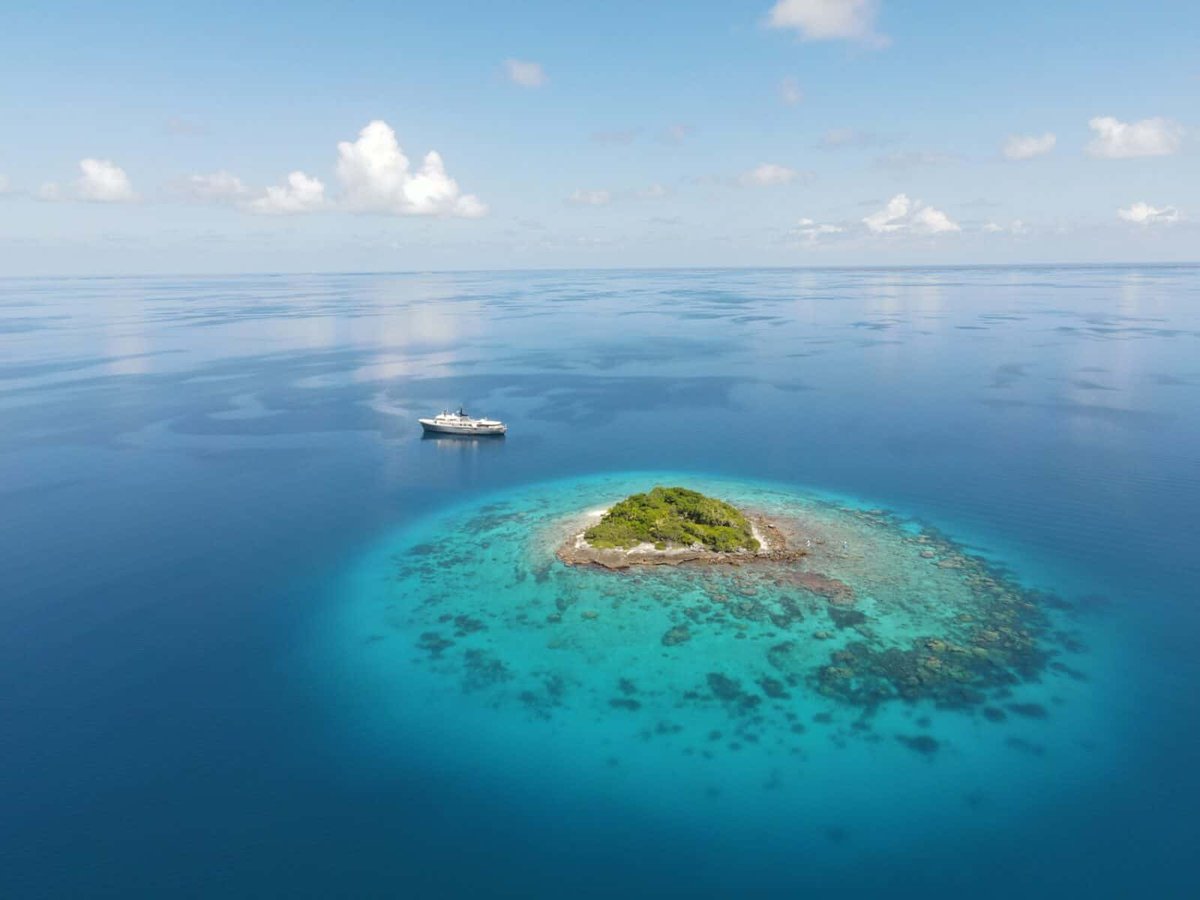
Capt. Sean Meagher shares his experiences aboard M/Y Latitude, a privately owned, 47-meter Vripack explorer yacht.
“When I was first approached by Latitude’s owner, Anil Thadani, I asked him what he wanted to do, and he said he wanted to go on adventures and photograph wildlife. I said, ‘I’m in.’”
Toward that end, Meagher began plotting a transit from Fort Lauderdale to Alaska, via the Northwest Passage.
“I researched people who had done it,” he said. “Turmoil’s captain, Phil Walsh, had made that trip. He said you have to move when the ice moves, and if you get into a tender, expect to spend the night, because you could get cut off from the boat because of the ice.
“And that happened once. I spent 12 hours on a tender in the Bellot Straight, but we were prepared.”
On other Arctic expeditions, he navigated the Northwest Passage in the opposite direction and then cruised Scandinavia, circumnavigating Svalbard, and then punched within 500 miles of the North Pole.
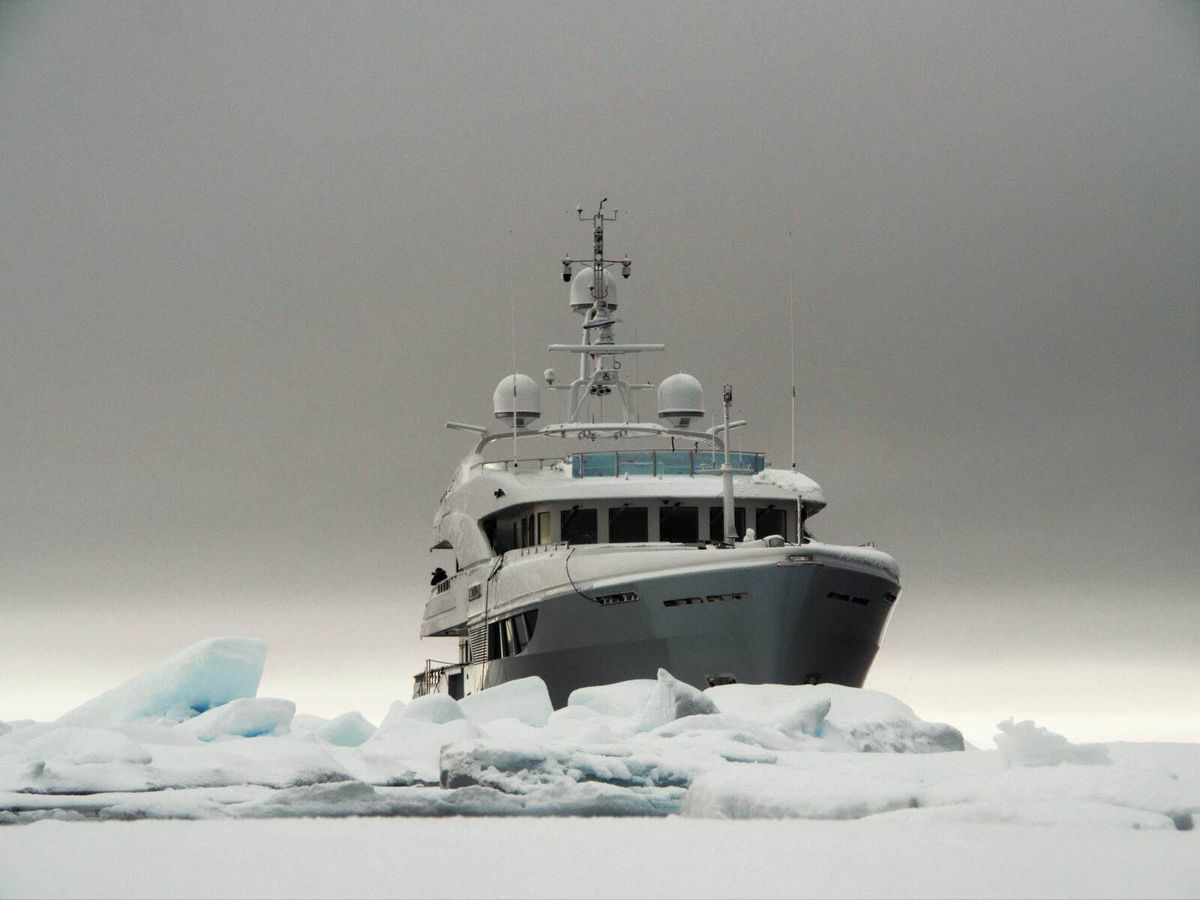
Yacht Latitude
On expeditions like these, crew can expect long travel times, months at sea, and extended periods from civilization. Explorer yacht crew can also expect jobs and duties to be a bit different.
“You might be on ice watch or polar bear watch. You don’t want a polar bear to come on your boat at night; they will eat you,” Meagher said.
When trying to land a job, if you can’t find the right program, invent it, he suggested.
“Find a captain or a person you want to work with, regardless of the type of program. In any program, if you like the captain and crew and have a rapport with the owner, you can say, ‘You can do a whole lot more,’ and when they say, ‘Can we?’ do your homework, figure out the logistics and hand it to them on a platter.”
Winston Joyce-Clarke was captain of the 59-meter M/Y Seawolf, the 71-meter M/Y Enigma XK, and the 45-meter M/Y Big Fish.
When hiring, he goes through agents he knows and reputable agencies that do background checks.
“In general, I’m looking for people who have a history that includes deck perspective and a strong watersports background. I look for somebody who’s done good sea time and has a reasonable amount of charter time.”
He chooses crew who are resourceful, independent, tolerant, energetic, and able to mesh well with their crewmates. “There’s a high level of camaraderie. That’s what makes it enjoyable,” he said.
Owners tend to spend more time on board explorer vessels. In between trips, private boats are at anchor for long periods, affording crew ample opportunity to explore, meet the locals, surf, hike, dive, kayak, and eat out locally, he said.
When Ben Yeager was chief officer on the 59-meter M/Y Just B this past year, he was responsible for hiring deckhands.
“We selected crew meticulously. On explorer vessels, we really attempt to find a fit for the long haul,” he said. “We do a lot of scuba diving, so dive master or dive instructor are good skills to have. When we hired a bosun, he had to have a diver-instructor license. Water sports and fishing specialists, I’d default to those people. If someone has a paramedic or nursing background — wow, those are great assets!”
Second Officer Greg McMillan, on board M/Y Just B for four years, started out as a deckhand. With a degree in maritime science and vessel operations, he began as a water-taxi and field-dock attendant at the Santa Cruz, California, harbor.
“I have a passion for the ocean,” he said. “When I was working in the maritime commercial industry, the captain said, ‘You’re young. Go travel the world.’”
McMillan offers this tip for landing a job on board an explorer yacht.
“You have to be willing to step off the ledge and take the risk. It’s well worth the effort. Most people who apply are ready to step into that type of field,” he said. On the downside, you are far away from home. “But what you’ll see and do takes the sting away.”
Check out Triton's latest issue.