Navigating creativity, routine, and professional boundaries
Building your chef career can look very different — some chefs enjoy the pace of a busy charter yacht, while others prefer working on a small team aboard a private yacht, and still others prefer building a freelance career.
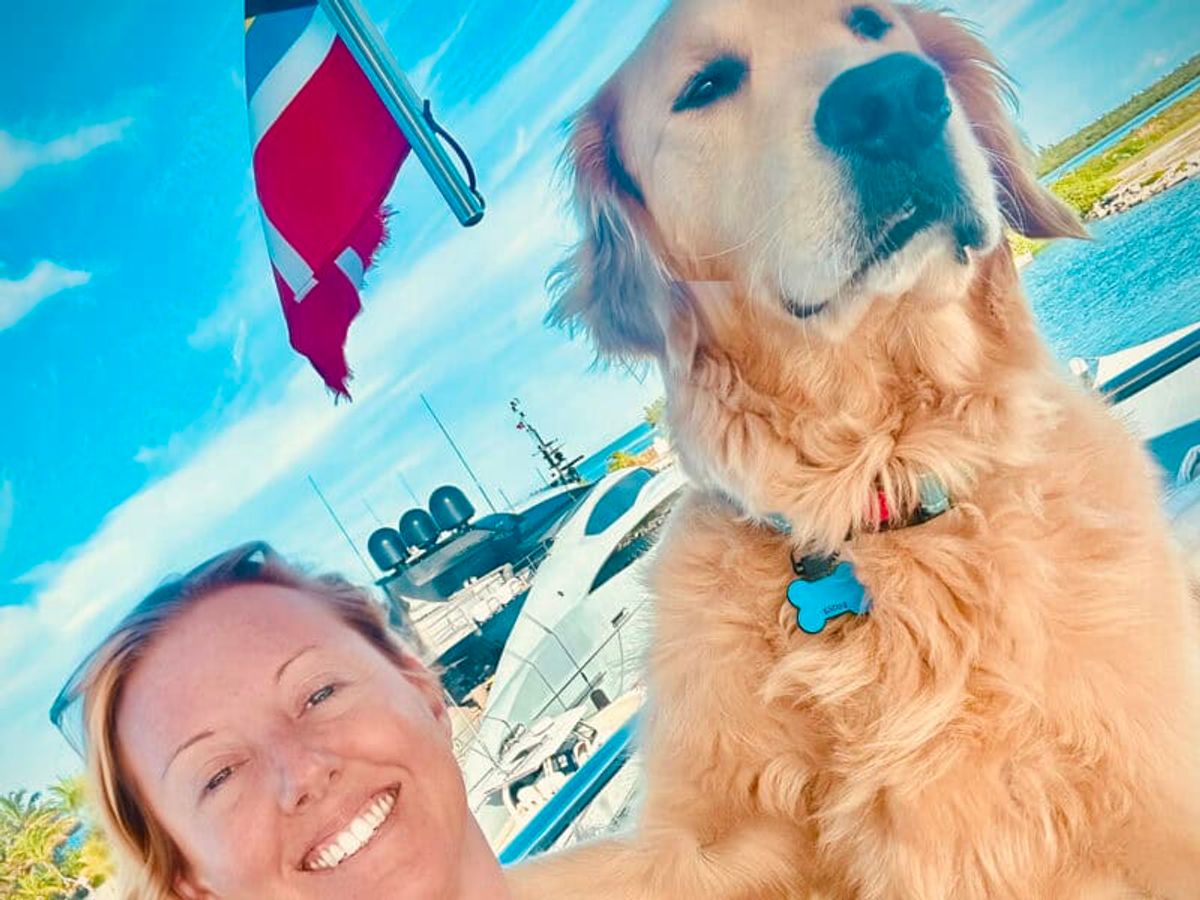
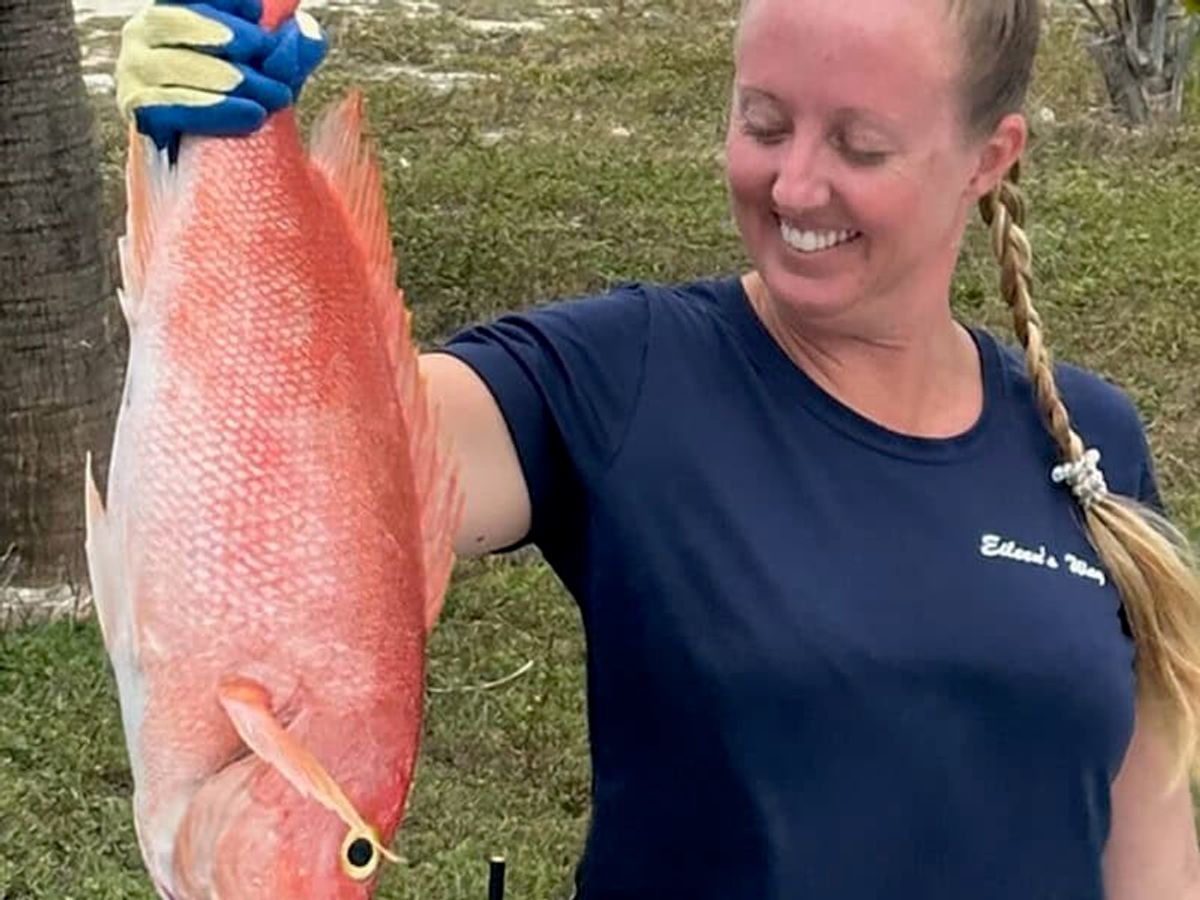
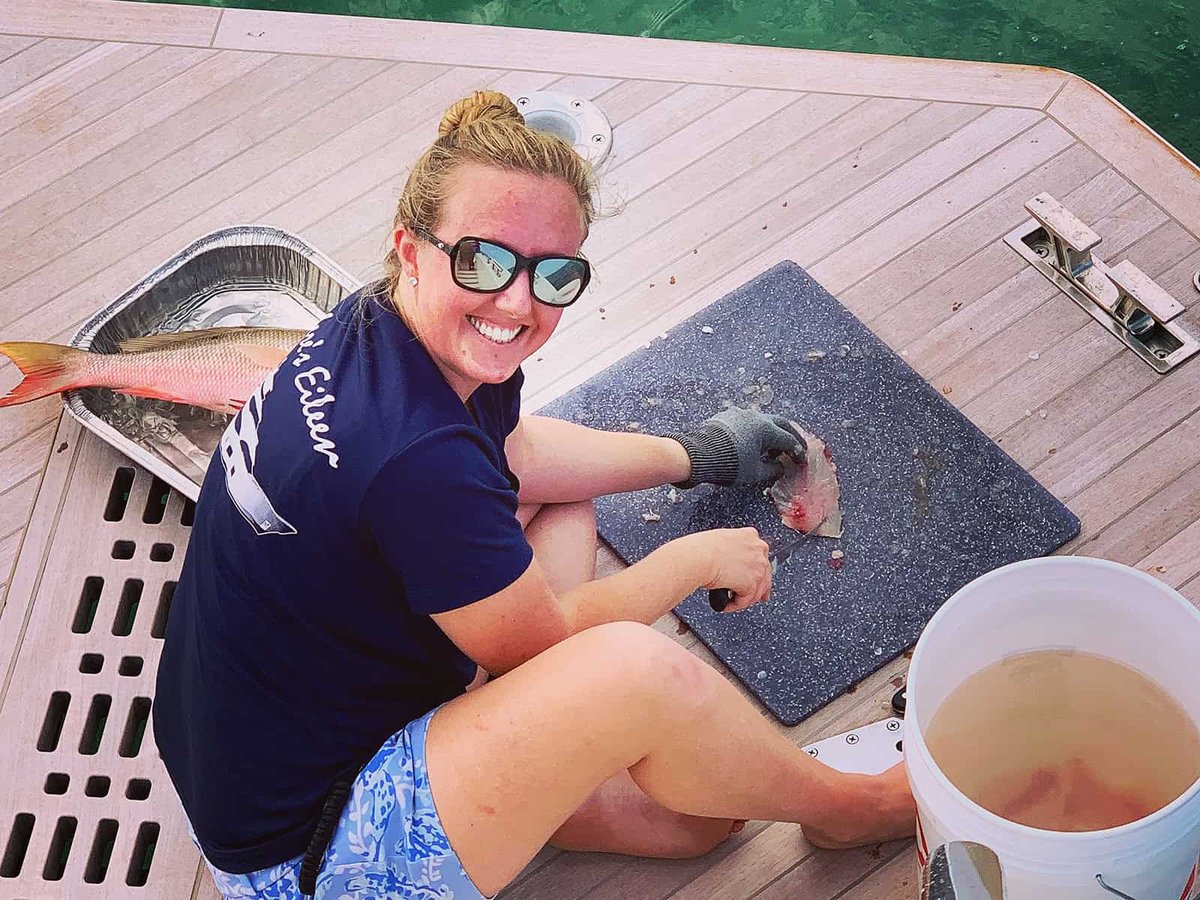
Chef Brittany Adkison has been a yacht chef for the past eight years and, for most of that time, has worked as a liveaboard chef for the same owners aboard their 36-meter yacht. She spends about eight months on board with the owners each year, alternating with time at their estate. On a smaller boat, she emphasizes that her role is “90% galley and 10% deck, dog walker, window cleaner,” and more. “Other chefs should know the job isn’t isolated to the galley — and all the other things make the job more fun,” she said.
She shares her experiences working as a chef with liveaboard owners, offering her insight and tips for others considering the same route.
Q: How does your job schedule work through the year?
A: We typically do four-month seasons, whether it’s the Caribbean or up the East Coast to Canada and back, with a boatyard period in between. During that boatyard period, I work at the boss’s estate as their in-house chef.
Q: Do you have set hours?
A: I do have set hours, and our stewardesses are phenomenal. Once dinner is done, that’s when I call it quits. If they want a sandwich or snack later, I usually have everything set up.
Q: How much time off do you get?
A: I get one month a year off. They understand the job is a bit unusual, and they accommodate me when I need a break. I’m also training one of our stewardesses to cook in my place so I can get a little bit more of a breather.
Q: How do you plan menus?
A: It’s predominantly daily, as much as you try and plan ahead. I don’t have the refrigeration space for a lot of prepped food, but I try for a 48-hour plan. We have the basics on board, and I can pull from those to develop the menu. Honestly, with every boat, things always change. You can always count on it — you’ll have a plan, and that plan will absolutely change later that day.
Q: Do the owners eat out much, or do you cook all meals?
A: The owner has extreme dietary restrictions, so it can be challenging to eat out. They’ll go out hoping to have a meal, then wind up coming back and asking me to cook dinner. I cook the majority of their meals — everything has to be done from scratch. There’s no trusting any product from a bottle.
Q: What is the biggest challenge in the liveaboard role?
A: The main difference is staying creative every day. Charter chefs can rely on their strongest dishes because guests are only on board for a short time, and the chef can really knock it out of the park — they can repeat recipes in their repertoire. The boss doesn’t have a chance to be bored. In a liveaboard role, you’re cooking three meals a day, every day, for the same people. You’re feeding six crew and the boss and trying to keep everyone happy when every day can start to feel like Groundhog Day.
Q: How do you stay inspired with the menu?
A: I’ve got a gigantic library of cookbooks from my travels around the world, plus cooking magazines. I follow chefs on Instagram who have been more than willing to share recipes. AI is also great because you can add your ingredients, and it’ll give you a recipe, and then I’ll take creative freedom with it. My boss is on board with different types of cuisines so I can switch it up.
Q: Is rotation an option for you?
A: Rotation is very popular for the liveaboard concept, but it’s not something my boss has ever been keen on, and I don’t blame them because we haven’t had the best luck finding crew that will accommodate the dietary restrictions they have.
Q: In the liveaboard role, how do you maintain professionalism?
A: After eight years, I’ve migrated from galley to house, and I’ve been in just about every situation with them, but we always keep a professional divide. You don’t want to be friends — there’s a fine line you just don’t cross. I always act professionally, even though we have a very good working relationship — it’s comfortable, but not that comfortable.
Q: What do you enjoy about the role?
A: The challenge is probably why I enjoy it so much. We talk through the protein, the menu, and whether guests are coming over. We have a good relationship where I can discuss what they’re feeling that day. Then they’ll throw something at me they saw on TV or online, and the challenge of trying to recreate the recipe while catering to their restrictions is fun.
Q: Any advice for future liveaboard chefs?
A: Always remember you are an employee. You are at the beck and call of the boss — they can fire you at any minute. No matter how sweet and how giving they are, you are still an employee to them. And that can change on a dime. Keep that professional divide and always be respectful.