
For decades, the superyacht industry has measured progress by larger hulls, faster speeds, and increasingly sophisticated onboard amenities. However, the future may be remembered for something less visible: intelligence that improves operations.
Artificial intelligence, predictive analytics, and connected systems are beginning to transform yacht and marina systems. Although fully autonomous vessels remain largely experimental, the industry is already evolving through better maintenance, stronger oversight, and clearer communication between personnel and technology.
The question is no longer whether intelligence belongs aboard yachts. It is how much of it will genuinely improve operations without replacing the experience that has always defined the industry.
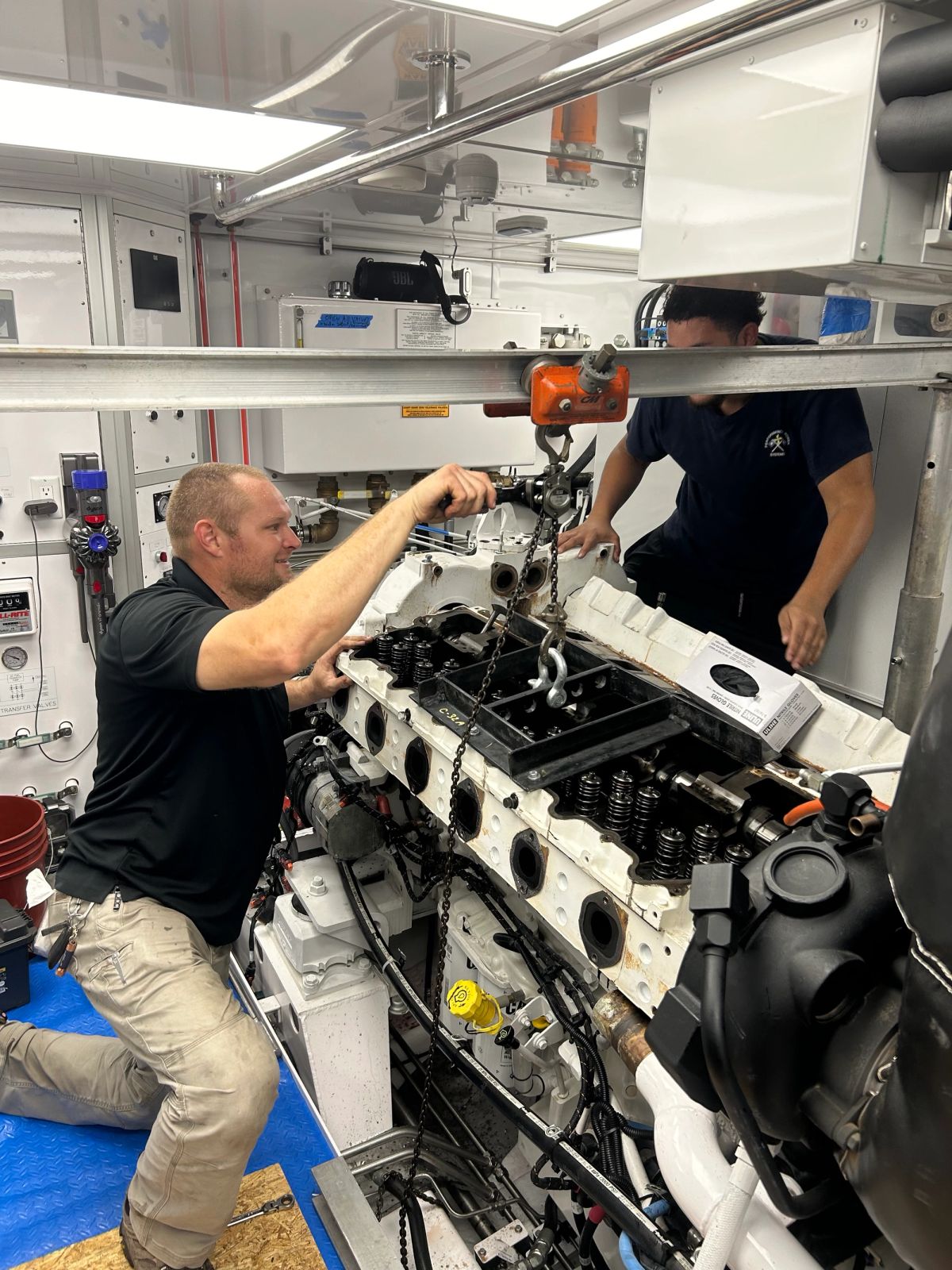
For veteran marine diesel technician Matthew Neville, the biggest transformation has occurred in the engine room.
“The fundamentals for marine diesel mechanics are the same and will probably always remain the same,” Neville said. “However, the diagnostic procedures have definitely become more electronically based.”
Years ago, troubleshooting depended almost entirely on experience. Mechanics relied on sight, sound, and touch to identify problems before opening an engine. Today’s electronically controlled engines generate streams of diagnostic data that technicians can access with specialized software.
While those tools have accelerated fault finding, Neville believes they have also changed the profession.
“Diagnosing has become a dying art,” he said.
That does not mean computers have replaced skilled technicians. Instead, they have become another tool in the toolbox.
Neville sees artificial intelligence as a useful guide for research and basic diagnostics, but not a substitute for hands-on mechanical expertise. Alarms and fault codes may point engineers in the right direction, yet someone still has to determine the root cause, make repairs, and verify the solution.
“The seawater cooling system is the enemy,” Neville said, pointing to corrosion, marine growth, and scale buildup as persistent maintenance challenges. Preventive servicing, including regular cooler inspections and cleaning, continues to do more for reliability than any software update. Even the industry’s most common failures remain surprisingly traditional.
While the engine room is becoming increasingly digital, John Howie, co-founder of Admiral, an AI-powered operating platform for marinas, believes the real opportunity lies in connecting existing information.
According to Howie, the marine industry has spent years installing increasingly sophisticated hardware. Navigation systems, communications equipment, engineering controls, and management software all generate enormous amounts of data. The challenge is that much of this data still operates independently.
An intelligent yacht, he argues, should not simply collect data. It should understand the relationships between systems and present meaningful insights that improve decision-making and operations.
Artificial intelligence excels at recognizing patterns humans may overlook. Instead of monitoring hundreds of disconnected data points, future software could identify emerging maintenance issues, coordinate operational routines, and provide crew with the right information at the right time.
Howie believes some of the greatest gains may come not from engineering, but from operations. Managing provisioning, scheduling contractors, tracking maintenance, coordinating crew responsibilities, and communicating with owners all require information from multiple sources. AI’s ability to organize those moving pieces may ultimately deliver greater efficiencies than simply predicting equipment failures.
The same principle extends ashore, where the operational gains can be just as significant.
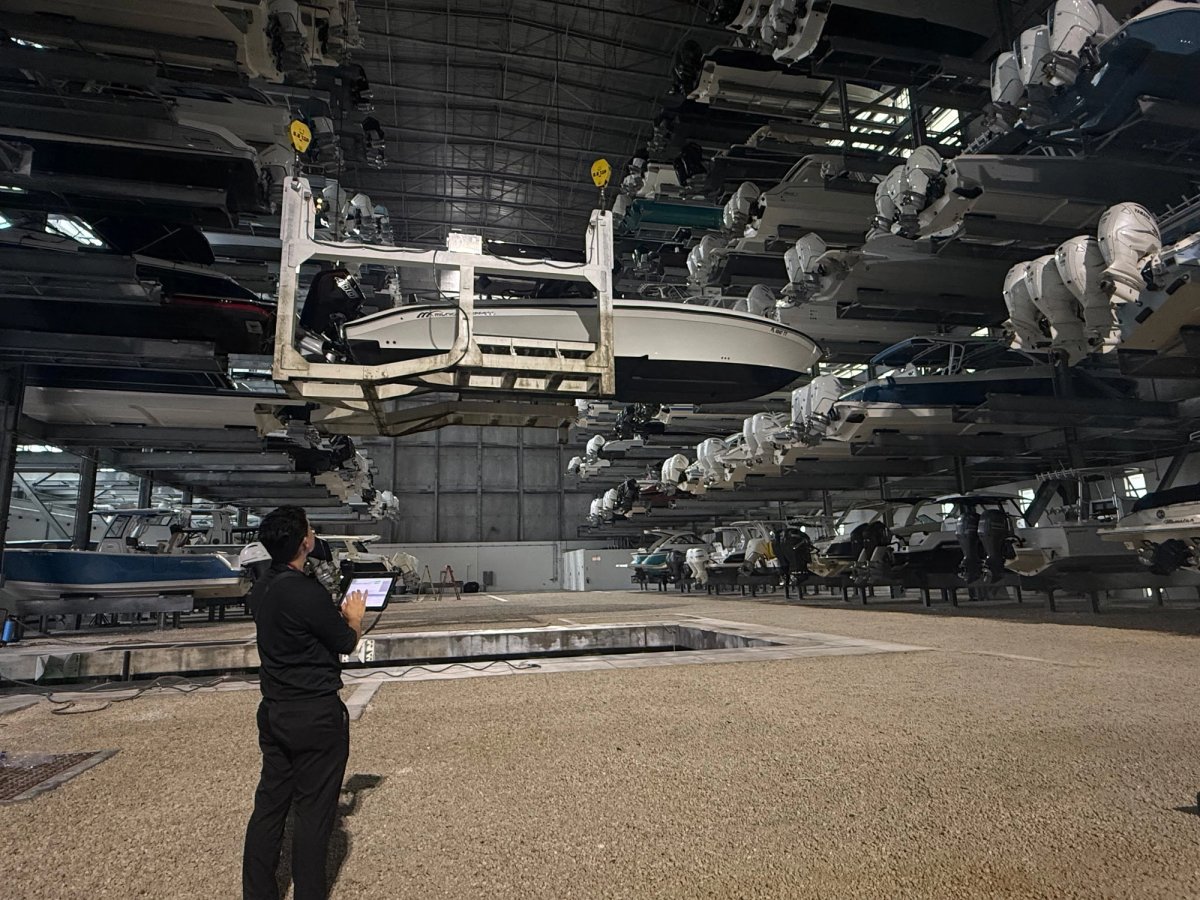
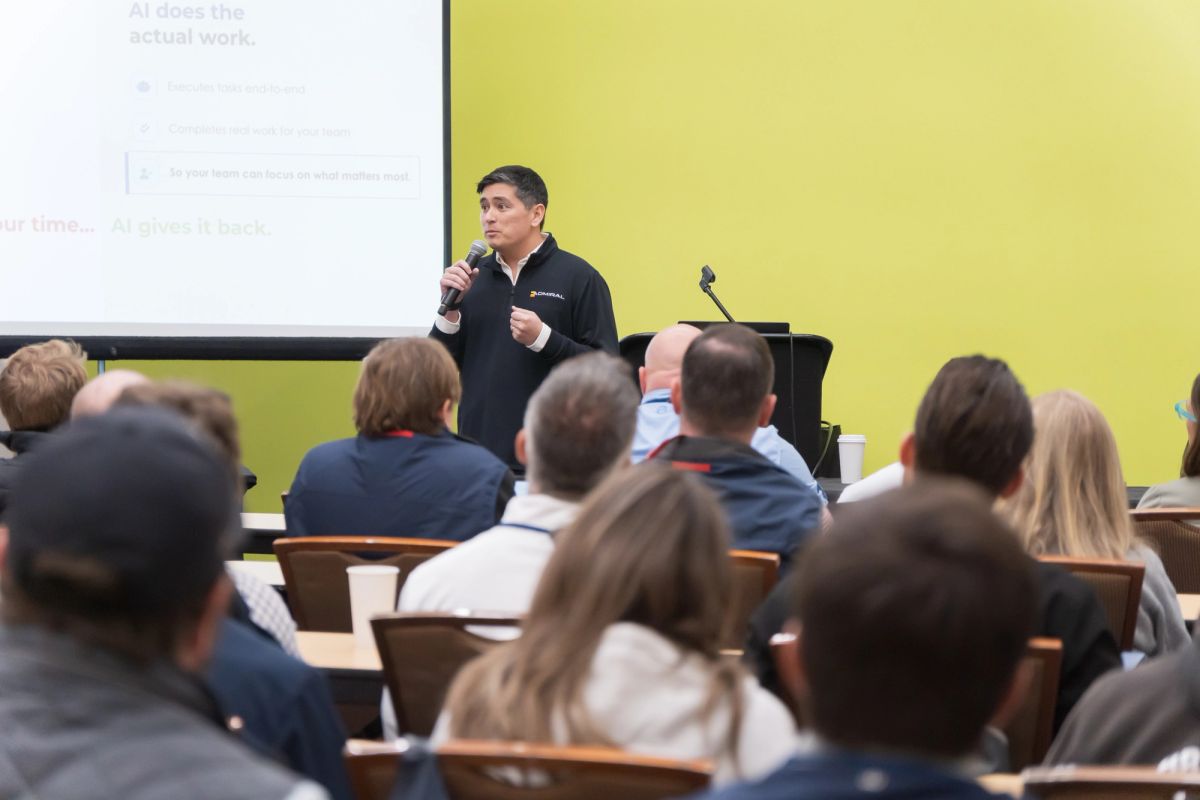
Matt Moen, general manager of F3 Marina, recently shared his experience with AI during a presentation on the topic at an Association of Marina Industries conference. His perspective is rooted in daily operations, where AI is already delivering measurable results. At F3 Marina, home to the world’s second fully automated boat crane, AI streamlines vendor management by tracking contractors, verifying certificates of insurance, and digitizing documentation with a single scan.
“It makes the whole process easier,” Moen said. “You can be faster, more efficient, and rely on knowing everything’s tracked and cataloged.”
Having watched marinas evolve from clipboards and paper logs to intelligent digital processing, Moen sees AI as a decision-support tool that gives marina operators, captains, and crew greater visibility into daily operations, allowing them to anticipate maintenance needs, improve safety, streamline logistics, and spend less time managing processes and more time focused on vessels, guests, and the people who keep them running.
That distinction emerged throughout every conversation. Whether discussing engines, marina operations, or fleet management, AI won’t replace experienced professionals. Instead, the technology should be utilized as an increasingly capable assistant.
Ultimately, intelligence aboard the new age of yacht systems will become better at connecting information, predicting trends, and enhancing complex operations. However, experienced captains, engineers, technicians, and marina professionals will remain responsible for interpreting the data and making the decisions that matter most.
The intelligent yacht is not about removing people from the equation. It is about giving them better information so they can do what they have always done best.