
Several seminars at the recent Palm Beach International Boat Show addressed evolving regulations, including one that focused on US immigration policy changes that could affect yacht crew.
Scott Hershenson, a U.S. immigration lawyer with 26 years of experience specializing in employment and family immigration and extensive expertise in handling crew visas, outlined a series of updates to the current administration’s immigration policies that could affect hiring.
Visa bans
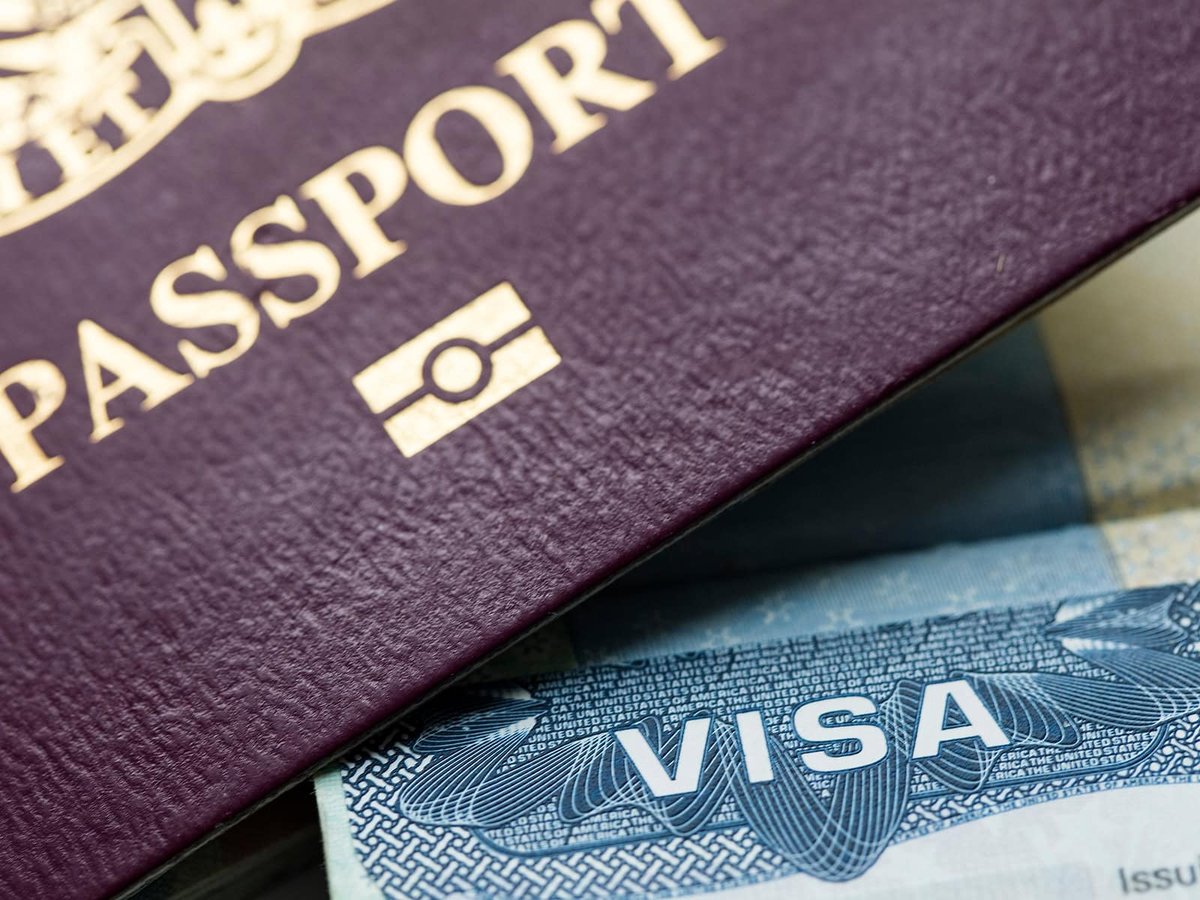
A proposed worldwide visa ban or partial ban is expected to be imposed on about 75 countries, primarily in the Middle East and Africa. The measures would affect B1, B2, F1, and J1 visa categories. The full ban includes most Middle Eastern and several African countries, with a partial ban on the rest of Africa and the Middle East.
“If you are looking to hire crew from any of these countries, it’s clear that they are not going to be getting visas anytime soon,” Hershenson said, noting that renewals will also be affected. “This is going to be a large problem if any of your crew are from any of these countries listed for the full or partial ban.”
View the banned countries
New pilot program
A new pilot program, expected to launch on April 2, 2026, will require visa applicants from a list of 50 countries to pay a bond of $5,000, $10,000, or $15,000 when applying for visas. According to the State Department, the amount will be determined during the immigration interview. The bond must be paid up front and will only be refunded if the individual exits the US through certain designated ports. According to the US Department of State, effective immediately, these ports include “all commercial air ports of entry, including CBP preclearance locations. Visa bond holders may NOT use charter air, general aviation, land, or sea ports of entry.” The
“A lot of the crew just want to get on a boat and leave, but that is not going to be sufficient,” Hershenson said. “You’re going to have to go through one of the designated port entries or exit spots to verify to CBP that you have, in fact, left the United States, and then you can apply to get your $5,000, $10,000, or $15,000 bond returned to you.”
This could make hiring even more difficult because someone has to cover that bond money. “If this individual does not leave, or does not leave through the proper designated procedures, whoever is paying that bond is going to be out of that money,” Hershenson said.
Countries on the list include Antigua and Barbuda, Cuba, Fiji, Venezuela, and Zimbabwe. Check out the full list of countries subject to the visa bond.
There is also a new 75-country Permanent Green Card freeze, Hershenson explained. “Essentially this means, if you are one of 75 countries and you have a green card application through any means — through employment, family, through the diversity green card lottery, whatever the case may be — if you are getting that green card at a US consulate outside the United States, and you are one of those 75 countries, you are not going to be successful.”
Public charge
Visa applicants must demonstrate that they will not become a public charge, with stricter scrutiny to ensure they will not become a “burden on society.” Even living with someone who may be in the system or disabled can affect your own eligibility. It’s going to be a “more significant deterrent for people moving forward with green cards.”
At the same time, a zero-tolerance enforcement approach means visas can be revoked without a conviction. Previously, if you were arrested but not convicted, it would not affect your status. Hershenson also said that expunged or sealed crimes must be disclosed.
“For captains, please be aware that some of your crew may no longer be eligible for visa renewals when their time is up, or they may simply get an email one day saying that their visa has been revoked by the embassy without any warning or explanation due to the zero-tolerance policy,” Hershenson said. “[Crew] think that it’s going to be so simple, that they’ve had visas all their lives, but that does not mean that you’re going to get the visa renewed again.”
Social media
Applicants’ digital presence is also under increased scrutiny. Hershenson advised crewmembers to keep social media accounts public, as private profiles may negatively affect visa approvals. Content, including posts related to drugs or politically sensitive topics, will be considered during evaluation.
While travelers are not legally required to grant CBP access to their phones, refusing to do so may result in denial of entry. Hersehnson emphasized the importance of being professional, polite, and honest when dealing with CBP.
Entry and exit compliance
CBP is increasingly emphasizing strict entry and exit compliance procedures and will crack down on crewmembers who fail to follow them. Crew are expected to either enter the US with the vessel or leave with it.
CBP is also reviewing the Seafarers’ Employment Agreements (SEA) more carefully. Crew must sign their SEA outside the US.
“You are not legally entitled to enter the United States, even though you have the visa, even though you may be a part of the crew. It is always 100% discretionary up to that CBP officer,” Hershenson said. “So if you’re not willing to play ball with them, they don’t have to play ball with you. We always recommend that you be as nice, polite, and friendly when the CBP asks you questions.”