

Independent Ice Navigator Maiwenn Beadle shares her insights into how captains with an interest in the Arctic can best position themselves for an industry with very few jobs.
“Ice Queen” Capt. Maiwenn Beadle has more than 30 years experience sailing. She has led groundbreaking expeditions through Arctic waters to 79°N and through the Northwest Passage, commanded a 75-meter ice-breaking expedition yacht in Svalbard, Greenland, and specializes in sharing the magic of the Arctic with explorers.
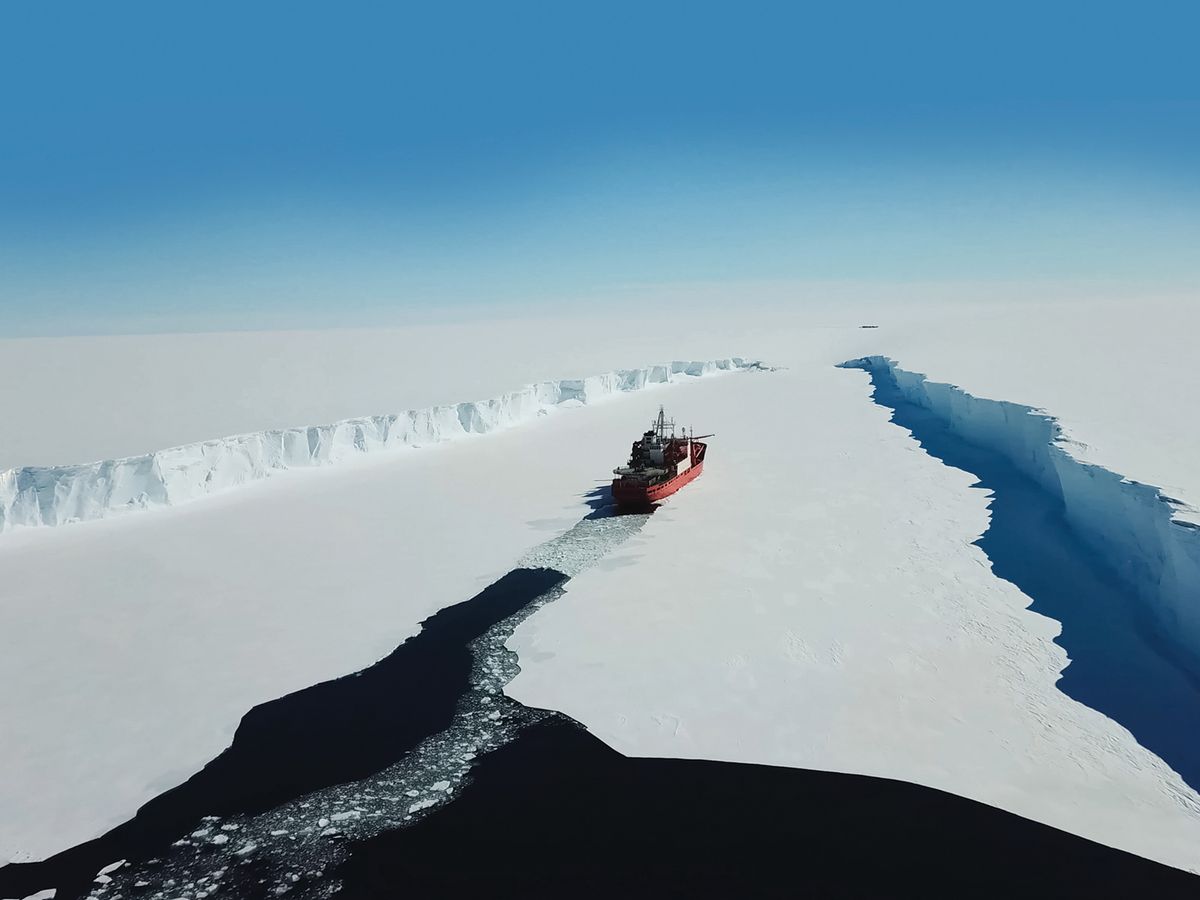
Most yachts require an ice navigator to operate in the Arctic, even during the summer. Since Arctic charting is notoriously poor, many areas remain uncharted, and the chart datum is often inaccurate. Great care is required to operate safely, and this is one of the reasons polar experience is mandated for bridge crew bringing vessels into polar regions. An independent ice navigator works across various vessels in the Arctic, supporting expeditions in both an advisory role and helping navigate unique challenges like ice and poor charting.
Becoming an ice navigator is a path some captains with an ambition to operate in the polar areas can consider, rather than gaining experience through yachting in polar waters. Several excellent companies operate small expedition vessels in these remote areas, offering numerous learning opportunities. Thanks to her experience on expedition passenger vessels, Beadle was fortunate to find herself running a vessel that spent most of its cruising time in the Arctic.
“Before venturing into remote territory, you need as many years working as a captain as possible. It is the most challenging navigation in the world, and you need to be 100% comfortable with all methods of navigation and with organizing logistics in extreme conditions,” Beadle said.
Due to the challenging nature of most yacht operations in the polar regions, masters and deck officers serving on ships must satisfy the statutory requirements under International Maritime Organization Polar Code to equip them with the advanced knowledge and skills necessary to navigate and manage vessels in polar waters safely. These vessels must be led by an experienced ice navigator who holds a STCW Polar Advanced or above. Few yacht officers have spent enough time in Polar waters to fulfill the 60-day requirement.
“The best way to learn and understand ice navigation is to spend time doing it. All the theory in the world cannot prepare you for the realities of the situation,” Beadle said.
One of the key roles an ice navigator fulfills on board is training the bridge team and sharing knowledge. She recommends working alongside someone with experience in the field to gain a more thorough understanding of the region.
“People who regularly work in this field are incredibly open and supportive with knowledge sharing and make time to help each other. It’s a small community in a field that requires both skill and humility,” Beadle said.
Ice navigators should possess a sense of adventure and a hardiness to challenging environments with a sense of humanity important as well. Ice navigators need to have an understanding of the mental health challenges that can come with living in extreme environments and the effect that can have on crewmembers.
Just as the Arctic can challenge mental fortitude, it can create beautiful moments too. Beadle has witnessed passengers reduced to tears at seeing their first whale and helped guests with the dream of being helicoptered up to an ice bar on a glacier.
“Everyone sees things from a different perspective — the magic of the Arctic is different for everyone,” she said
accidentalicequeen.com