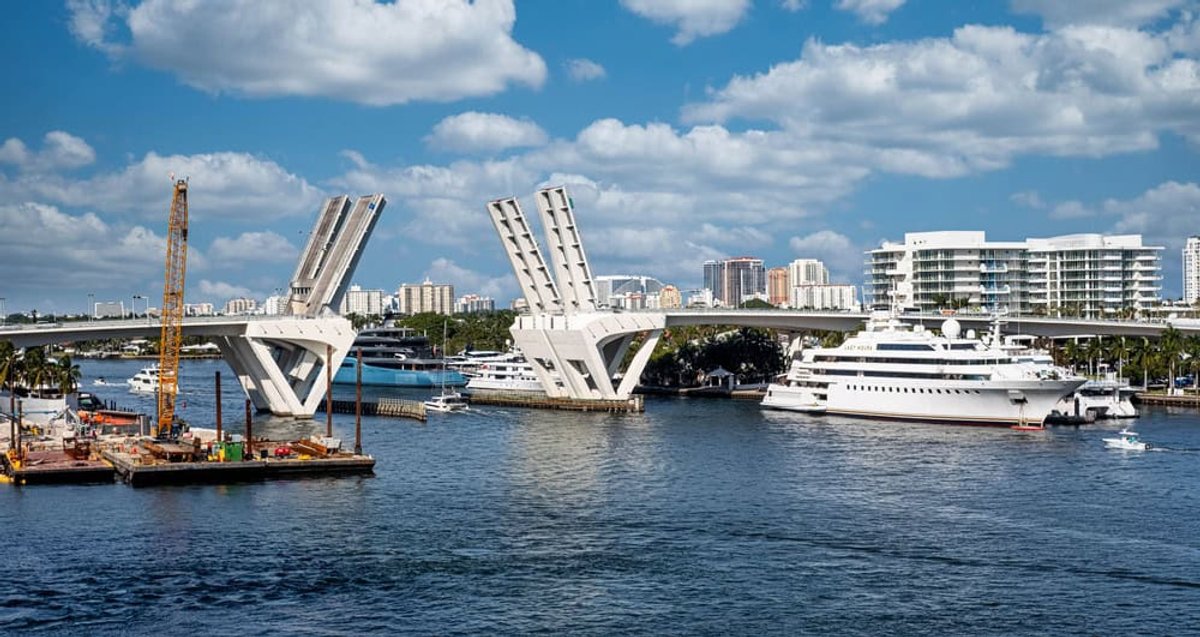

According to Miami Waterkeeper, the U.S. Army Corps of Engineers has withdrawn its application for a state permit for the Port Everglades Expansion Dredging project. The dredging project has drawn criticism and protests from environmental groups for its impact on Port Everglades coral reefs and local marine life.
A National Oceanic and Atmospheric Administration (NOAA) study claimed that “because the channel cuts through sensitive coral reefs and dredging has the potential to generate harmful sedimentation impacts across the entire PEV footprint, the authorization of the project would constitute the largest impact in US history to populations and critical habitat of Endangered Species Act (ESA) listed species…”
A petition calling for the project to be halted has already received more than 35,000 signatures. According to Miami Waterkeeper, the U.S. Army Corps of Engineers has indicated that it is reconsidering some project elements, potentially altering the project’s scope.
Miami Waterkeeper believes this reevaluation is critical for a project that would likely endanger 10 million corals, including some of the last wild stands of threatened staghorn coral in the area.
Miami Waterkeeper reports that Florida’s Coral Reef is the “only nearshore coral reef in the continental U.S. and supports fishing and diving and reduces wave energy by an average of 95%.” They estimate that this equates to approximately $675 million in coastal protection.
“This hard-fought pause is more than a decade in the making — and couldn’t have come at a more critical time for the future of our coral reefs,” said Dr. Rachel Silverstein, chief executive officer and Waterkeeper at Miami Waterkeeper. “This is meaningful progress. Our advocacy is working, and our voices are being heard. But until there is clear confirmation that this project will not move forward in a way that harms our reefs and water quality, we must remain vigilant, engaged, and keep the pressure on.”
Staghorn coral, listed as threatened under the Endangered Species Act, has recently been declared functionally extinct, with some of the only known survivors found near Port Everglades. Advocates also warn that the project could affect a threatened Queen conch breeding site just south of the channel, and blasting to remove rock in the area may pose risks to local dolphins.
“I’m cautiously optimistic that federal officials are rethinking this devastating dredging project, which could be the final nail in the coffin for our incredibly imperiled staghorn corals,” said Elise Bennett, Florida and Caribbean director at the Center for Biological Diversity. “The amount of harm this project could do to our corals is staggering and really unprecedented, so I hope the Army Corps follows this withdrawal by going in a completely different direction. Our corals, queen conch, and other vulnerable coastal creatures help make Florida a special place, and we can’t let them be annihilated by reckless dredging.”
Check out Triton’s latest issue