

For years, an interior career followed a familiar path. You joined as a junior stew, learned the ropes, and worked your way up. This progression came largely from time on board, mentorship, and understanding the tricks of the trade. Formalized training programs were sparse, specialization limited, and seasonal jumps paved the way to gain more skills.
Today, that traditional pathway is shifting. Yachting is becoming more professionalized, technologically advanced, and focused on delivering unique guest experiences. Yachts are bigger, programs are more complex, and expectations are developing. As a result, interior careers are evolving. Training opportunities have become more structured and diverse, and skill sets beyond the norm are now required.
Upskilling Early
With the rise of training schools, certifications, and industry-recognized qualifications, there are now clearer routes to advancement.
“Progression for interior crew is usually more yacht specific and less standardized, although now there are many more opportunities for formal learning and professional development,” said Nicola Morgan, director at Wilson Halligan.
Formal and additional qualifications can make a real difference, helping you progress and stand out to recruiters and owners.
“Interior crew should be upskilling from earlier in their career and taking on extra responsibility on board where they can,” said Tim Clarke, director of Quay Crew. “It’s very easy to develop strong Excel or accounting skills via YouTube or online courses. Whilst this might not be exciting, building these skills will make you a lot more efficient at your job when you rise in the ranks.”
A New Guest Standard
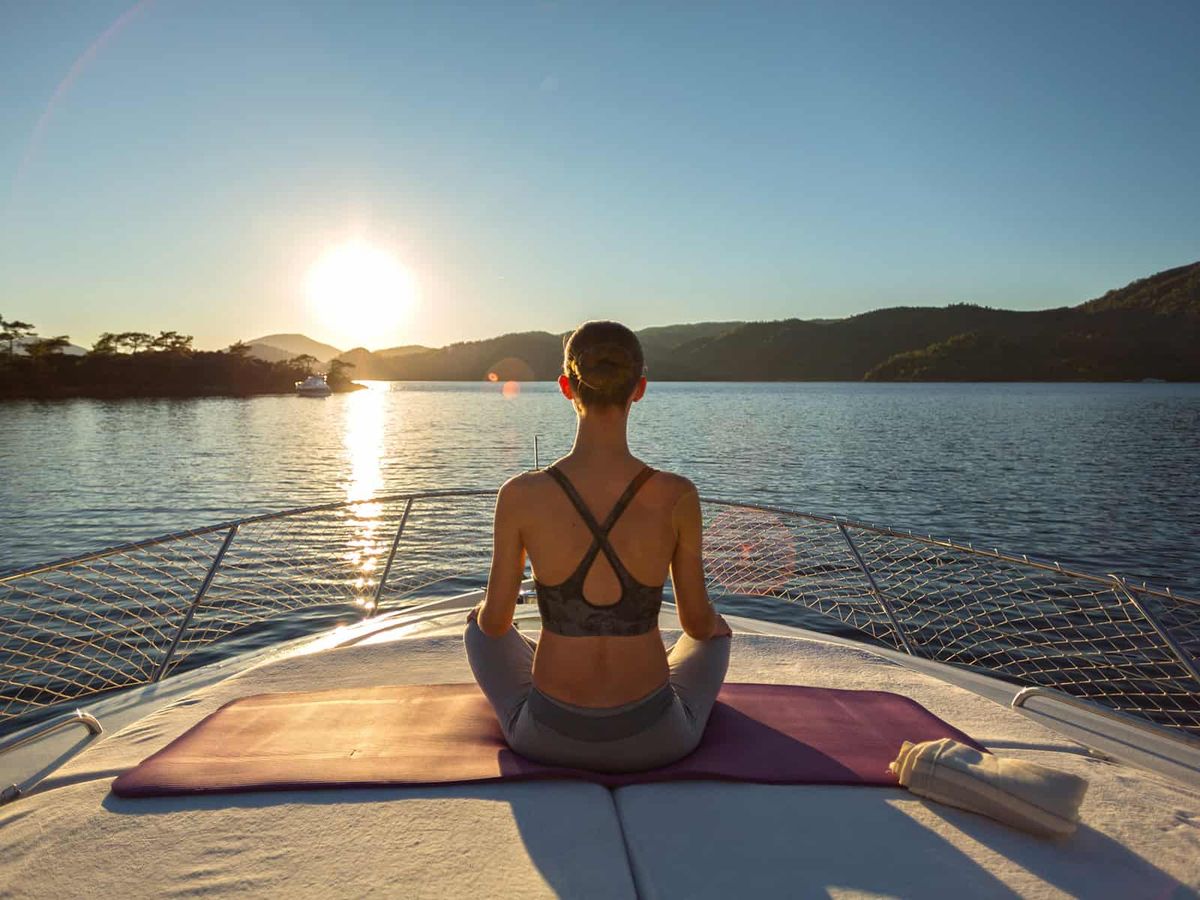
In the changing charter landscape, more is being demanded by guests, and bespoken experiences are increasingly essential Interior crewmembers are expected to anticipate these changing needs and specialize in various areas, from sommelier and mixology skills to childcare, fitness, and wellness services.
“Most yachts and all charter yachts want at least one crewmember with masseuse and/or beautician backgrounds,” Clarke said. “Some of our clients in the 100-meter-plus range have as many as six interior crewmembers with secondary skills.”
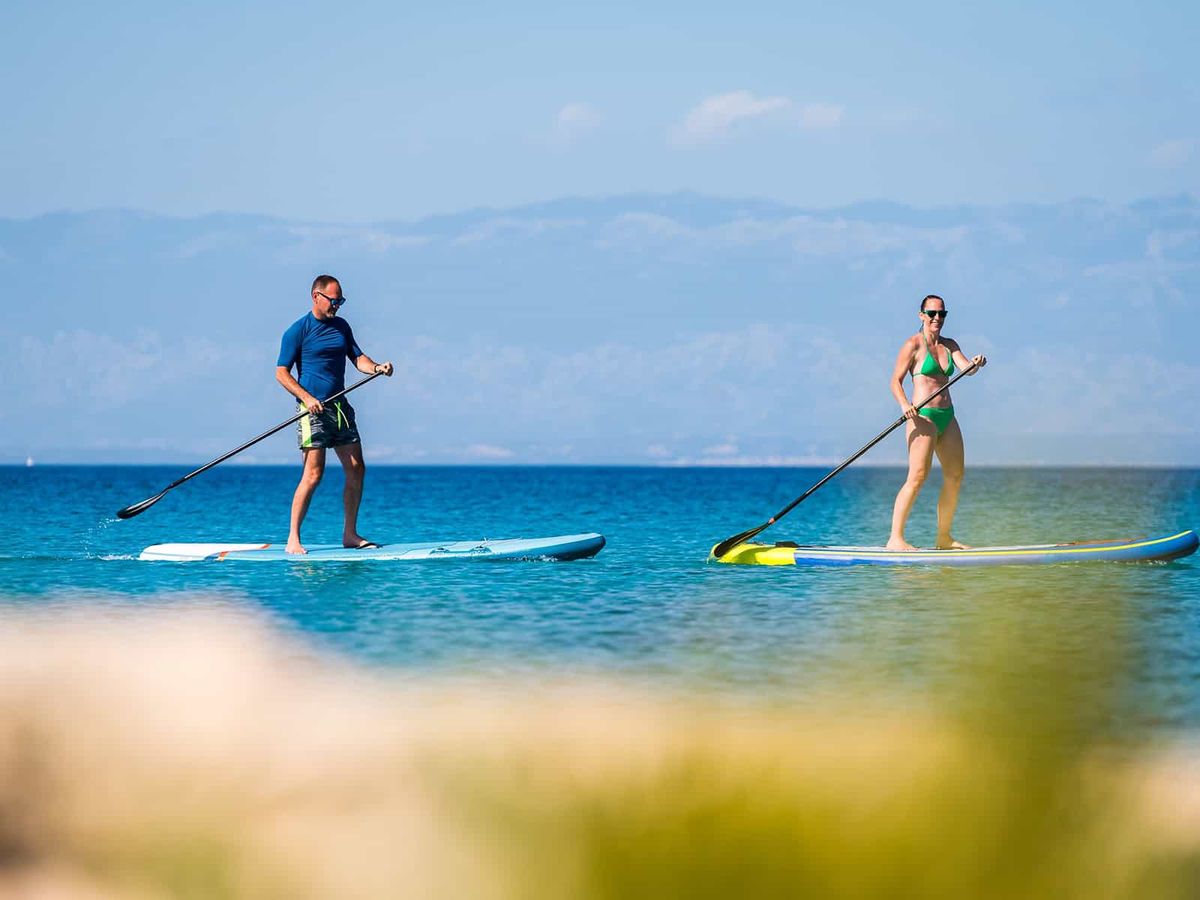
Recruitment companies like Inspired Crew, founded by Former Chief Stew Charlotte Saunders, are responding to this trend, matching crew with yachts looking for secondary skills ranging from watersports instructors and nannies to DJs, content creators, hairstylists, and personal trainers.
Crew are responding by pursuing interests for professional development.
“We see an increasing number of interior crew turning an interest into something more professional by completing intensive courses to give them additional experience,” Clarke said.
Morgan agrees with this trend.
“Owners will continue to strive for more and I think we will see this in crew demands as well — we’ve already seen a huge increase in requests for secondary skills over the past years, I think this will be set to continue and as we see owners using their yachts in different ways (such as research or humanitarian aid), there could be a real desire to find crew whose values align with such programs,” Morgan said.
Soft Skills Still Matter
Communication, leadership, and adaptability remain equally crucial.
“The most important soft skill in the interior is the ability to read the room and adapt to the level of service to suit the owner/guests. This interpersonal skill is invaluable across all areas of life,” said Max Lee, head of recruitment at The Crew Hunter/Yacht Crew Recruitment and Training.
A Digital Interior
Alongside the increased demand for multifaceted crew, technology is also changing the interior landscape. Digital management tools are becoming part of daily life on board.
Being tech-savvy and using these tools has become increasingly essential, enabling crew to work more efficiently and maintain high standards, especially on larger yachts and across complex teams. This proficiency with technology is a core skill for career progression today, and aside from logistics, it is also used for training, scheduling, and communication.
Passion Projects
Mentorship, on-the-job coaching, and continuous professional development further career growth.
“We have seen interior crew build passion projects alongside roles, and it is fantastic to see — these often then become their route out of yachting and into something different,” Morgan said.
There are many former crew (many spotlighted in Triton’s Offboarding series) who have transferred their skills to new ventures ashore, proving that skills gained on board can open doors beyond the yacht.
Interior In Motion
Despite changing opportunities for the interior crew, there are still hurdles to overcome. Competition for senior roles and industry retention pressures continue to impact career decisions across all departments.
“As yachts continue to increase in size, so do the teams, so there will only be further managerial positions available,” Lee said.
Today, it isn’t just a simple ladder to head up the inside, but a range of possibilities offering various pathways to growth and fulfilment. The old rules no longer apply, and it’s up to today’s interior crew to embrace it. For those prepared to adapt, they will be rewarded with a career pathway offering greater choice, skills, and rewards.