
Whether it’s to fulfill IMO guidelines or to speed up your time in the yard, what up-and-coming refit technology can you add to your yard time?
Diesel Particulate Filters
In the yachting and refit technology industry, the mandate for diesel particulate filters (DPF) is here, especially due to timelines set by the International Maritime Organization (IMO) for implementation, with enforcement usually imposed by class. Unlike routine maintenance tasks, installing a DPF system is a significant undertaking.
The procedure involves scaling up burners and filters according to horsepower, often requiring the removal of existing exhaust systems that are often much smaller than their newer counterparts. This means that engine room space becomes even more precious.
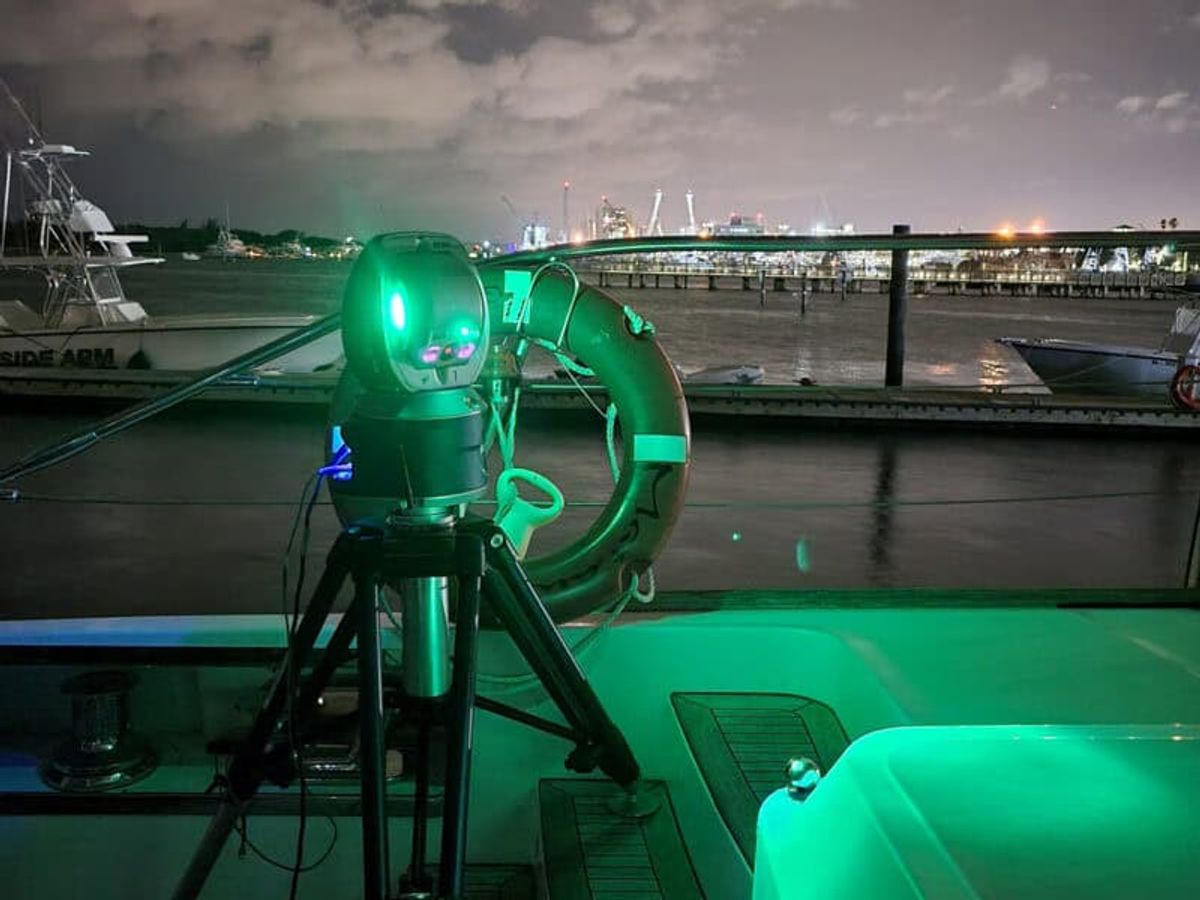
Choosing a provider for DPF systems is the first step, and availability and schedule often dictate choices. Companies like DeAngelo Marine Exhaust streamline the process using advanced technologies like handheld 3D laser scanners to map engine rooms — often sending technicians to meet vessels to do the mapping beforehand. By prefabricating control boxes, electrical controls, and filter elements, and customizing piping to fit the constraints of the engine room, they can speed up time in the yard. Once plans are finalized, vessels can expect an average yard time of two weeks for installation.
Although associated with commercial vessels, the adoption of DPFs is not limited to large vessels. Even smaller generators, especially those operating in sensitive environmental areas, are investing in this technology to clean up exhaust emissions and enhance the industry’s image.
Budgeting for DPF installation varies depending on the scope of work, with estimates ranging from $200,000 to $300,000 for main engines. Although DPFs are designed to work with main engines, it’s important to note that it is possible to repower later while keeping existing DPFs in place.
While it’s challenging to quantify the number of yachts that have adopted DPF technology, it’s clear that there is still significant progress needed in meeting regulatory requirements within the industry.
Planning for DPF installation should be a priority for owners and captains, particularly with impending regulatory deadlines. Not only does it ensure compliance, but it also demonstrates a commitment to environmental leadership, setting the pace for a cleaner and more sustainable maritime industry.
3D Scanning
With vessels often facing tight schedules and never-ending to-do lists, time and efficiency is essential in the yacht refit world. Amidst this challenge, the integration of cutting-edge technology has emerged as a game-changer, particularly in the form of 3D scanning technology.
At the forefront of this technological revolution are companies like AME Solutions, a pioneering company with more than three decades of expertise in applying the latest advancements to solve marine maintenance challenges.
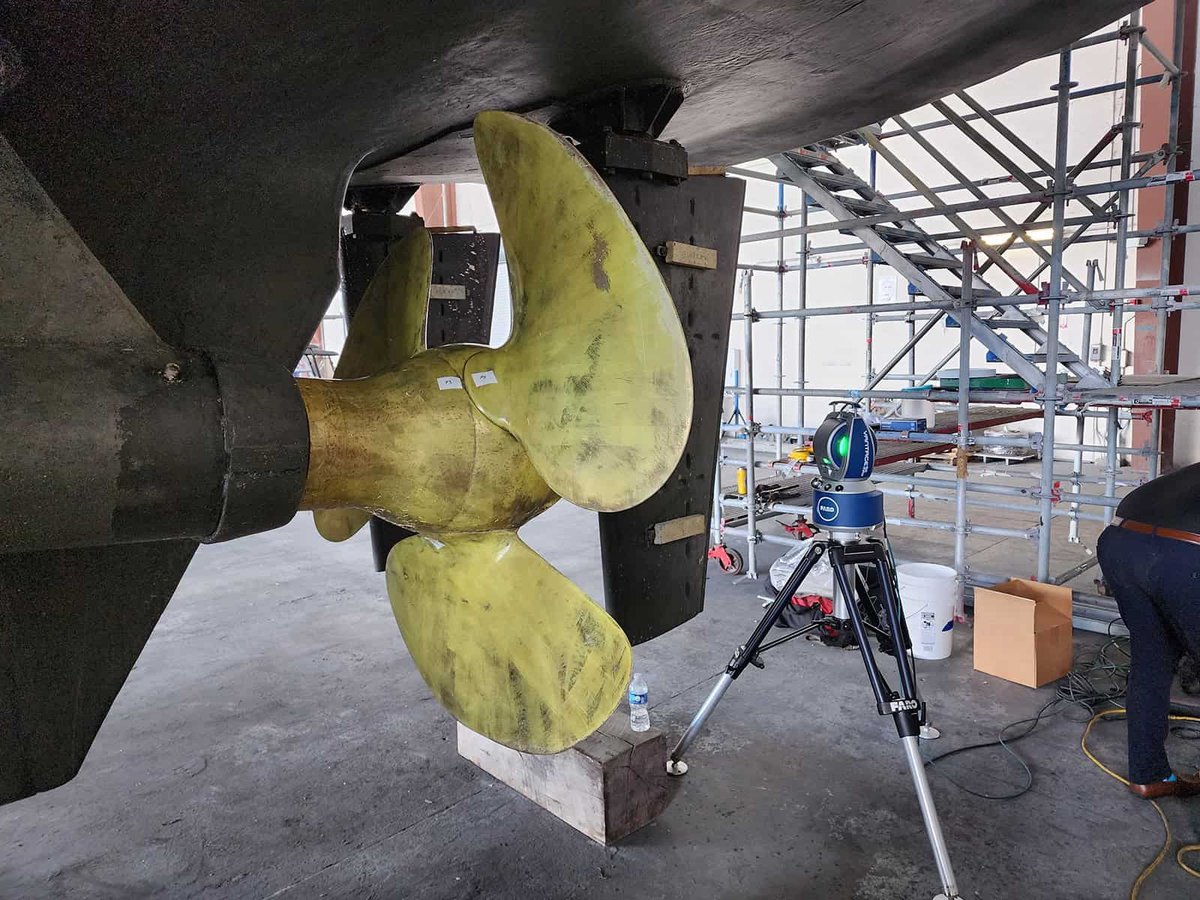
3D scanning technology has ushered in a new era of efficiency and accuracy in yacht refits. By employing handheld 3D laser scanners and tripod-mounted devices equipped with LiDAR technology, users can meticulously map and capture every detail of a vessel’s interior and exterior spaces.
A primary application of 3D scanners in yacht refits is in the planning and execution of engine room renovations. These complex undertakings often require precise measurements and detailed schematics, which traditional methods struggle to provide within timeframes. With 3D scanning, engineers can create comprehensive digital models of engine rooms, facilitating streamlined planning and minimizing errors during installation. They often do this by flying engineers to meet the vessel in a foreign port ahead of their refit — allowing all the prefabrication and tedious engineering tasks to be completed before the yacht arrives.
The versatility of 3D scanners extends beyond engine rooms to encompass various onboard components, including hull structures, propeller shafts, and stabilizer systems. By accurately capturing the dimensions of these elements, fabrication and integration time in the yard is reduced significantly. Last-minute tasks such as re-aligning a leaky porthole or deck hatch may now make their way onto the “done” list.
The benefits of 3D scanning extend beyond refits, as AME also leverages this technology for new-build projects. From aligning propulsion systems on new Coast Guard cutters to monitoring structural integrity during hull repairs, 3D scanning plays a central role in ensuring the safety and reliability of marine vessels.
AME’s motion-amplification technology utilizes high-speed cameras to detect imperceptible vibrations and movements in machinery. This approach allows for early detection of potential issues, mitigating the risk of costly downtime and repairs.
As the yachting industry continues to evolve, the adoption of 3D scanning technology is poised to grow. From optimizing refitting processes to driving design and engineering innovation, 3D scanning offers myriad of benefits that are reshaping the yacht refitting landscape.