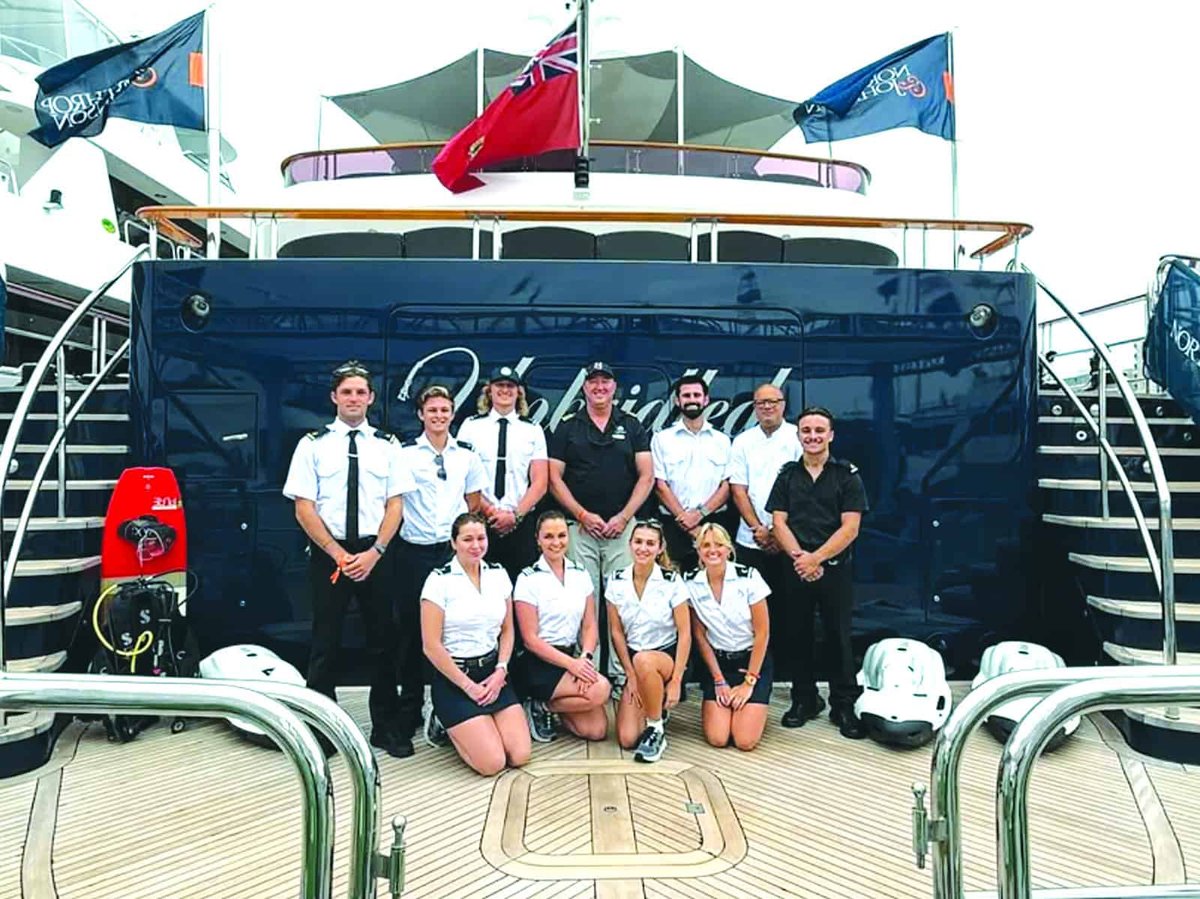

Triton spoke to several captains and crew to find out their advice to crewmembers just entering the yachting industry.
What advice would you give someone just starting out in yachting?
“The first few years are going to be a steep learning curve with a lot of grafting, but take the time to appreciate that it’s still a million times better from some of the average land-based jobs out there.” – Head Chef Nina Wilson, M/Y Loon
“Be ready to work hard. It's not what you see on TV. Put your phone down. I realize everyone is on them, but you need to be a valuable team member before you get that privilege.” – Capt. Kelly Esser
“I still have some of my friends from childhood back home in the Netherlands who still say, I wish I had done what you do… So just go and try it out. Get your required minimal STCW and ENG 1, and off you go. You will find out yourself if this is for you.” – Capt. Marcus Desaunois, M/Y Axis
“I wish I had been brave and bold enough to ask more questions during my interviews with recruiting agents as well as with captains, especially the interviews in the very beginning of my career. Over the years, I came to realize that questions about the yacht and its program can and should be asked by every potential crewmember — questions about crew dynamics on board, the onboard culture, longevity of the crew and reasons for crew changes, benefits like health insurance and training opportunities and even the possibility of attractive things like progression up the ranks and even rotation ( depending on the program and size of vessel). Early on, I was so focused on getting hired that I didn’t really think of the significance of opening these conversations.
The turning point came when I started asking these critical questions upfront in interviews, both with recruiters and captains. I asked about health benefits, bonuses, and whether the boat invested in crew development. I found out if they operated year-round or spent months in shipyards. Armed with this information, I was able to make more informed decisions about the roles I accepted, choosing boats that aligned with my career and personal goals. Now, I look back and realize how much asking the right questions can help crew to avoid bad fits and can accelerate their growth in the yachting industry.” – Tracey Boston, former crewmember and founder of Our Faceless Crew
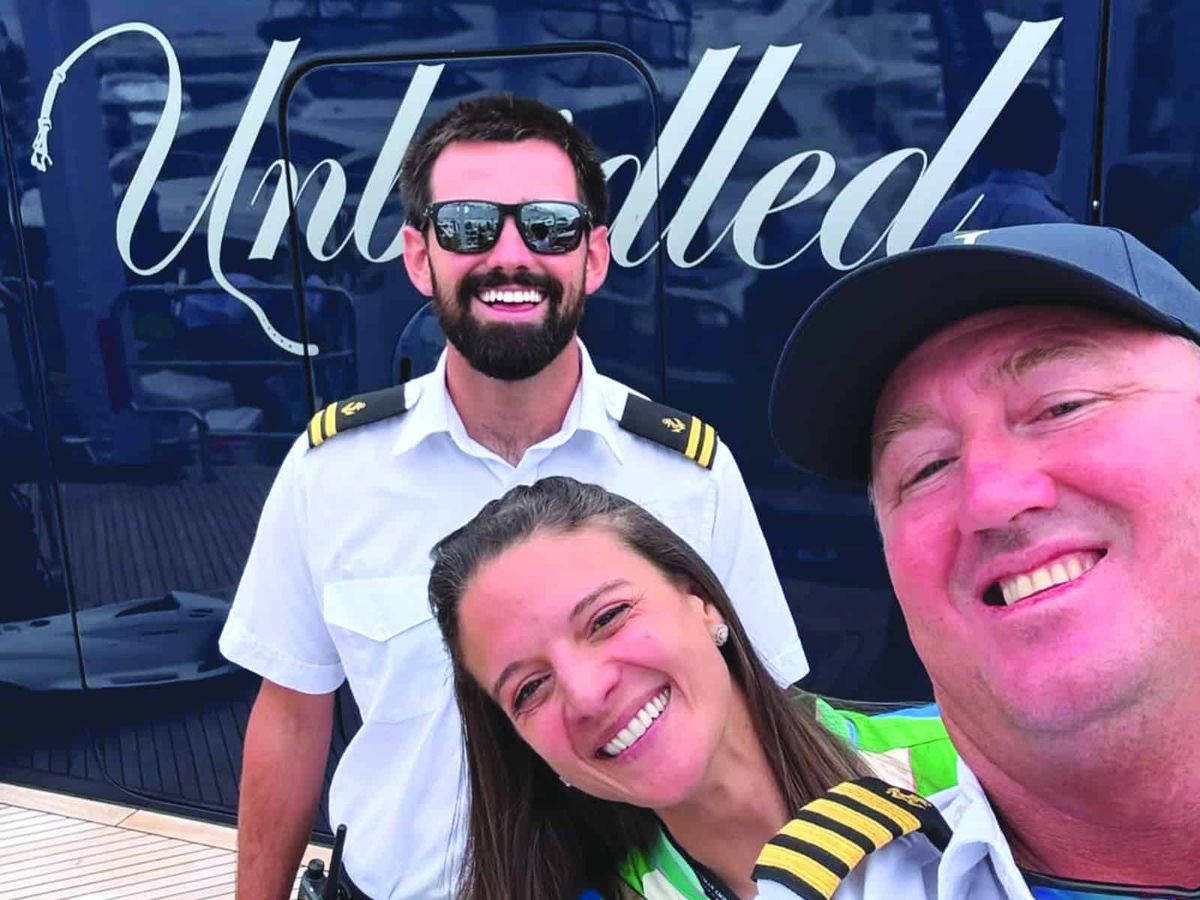
“Stay humble, stay hungry. This industry rewards those who are curious, professional, and proactive. Say yes to learning, even when it’s outside your job title. Be a good teammate. That energy, consistency, and positive attitude will get noticed faster than you think.” – Capt. Liam Devlin, M/Y Unbridled
What do you wish you’d known before you began your own career?
“I wish I had started out in the galley from the start! Whilst it was great fun being a stew for a few seasons, and then a deckhand for a few years, I can’t help but think how different it would have been going all in on the galley from the start.” – Head Chef Nina Wilson, M/Y Loon
“The industry has changed so much. To have a career in yachting today, you kind of need to know what you want in life. You can go the easy route or the hard/expensive route. I feel like kids today just are all over the place. Most importantly, you need to save for the future.” – Capt. Kelly Esser
“I wish I had started earlier with off-the-beaten-track and Arctic yacht expeditions. Now freshly minted with a Nautical Institute-accredited Ice Navigator Level 2 license, more adventures ahead, I just wish I had started all this 20 years earlier.” – Capt. Marcus Desaunois, M/Y Axis
“To anyone new to the industry, I’d say start developing the skills that truly matter on board. Captains and recruiters look for more than just certificates. They value adaptability, teamwork, and solid communication, so express this to them if it matches who you are. Life on a yacht can be intense, and being calm, collaborative, and solutions-oriented will set you apart. Whether it’s through hospitality-based jobs, micro-learning online courses, or in-person programs, or simply practicing clear communication, start building those habits now. Improvement in leadership is an important topic being highlighted in the industry, so take a leadership course. A strong, long-term career in yachting is as much about mindset as it is about technical skills.” – Tracey Boston, former crewmember and founder of Our Faceless Crew
“That it’s not just about boats, it's about people. Technical skills are vital, but emotional intelligence, resilience, and communication are what truly shape your success. The industry is fast-paced and can feel overwhelming at times, so learning how to manage stress, find balance, and build a strong crew culture is essential.” – Capt. Liam Devlin, M/Y Unbridled