
Charter yachts are popular with crew — they allow substantial incomes through salaries, tips, and benefits. Several captains offered insights on the keys to developing a successful program.
The Crew
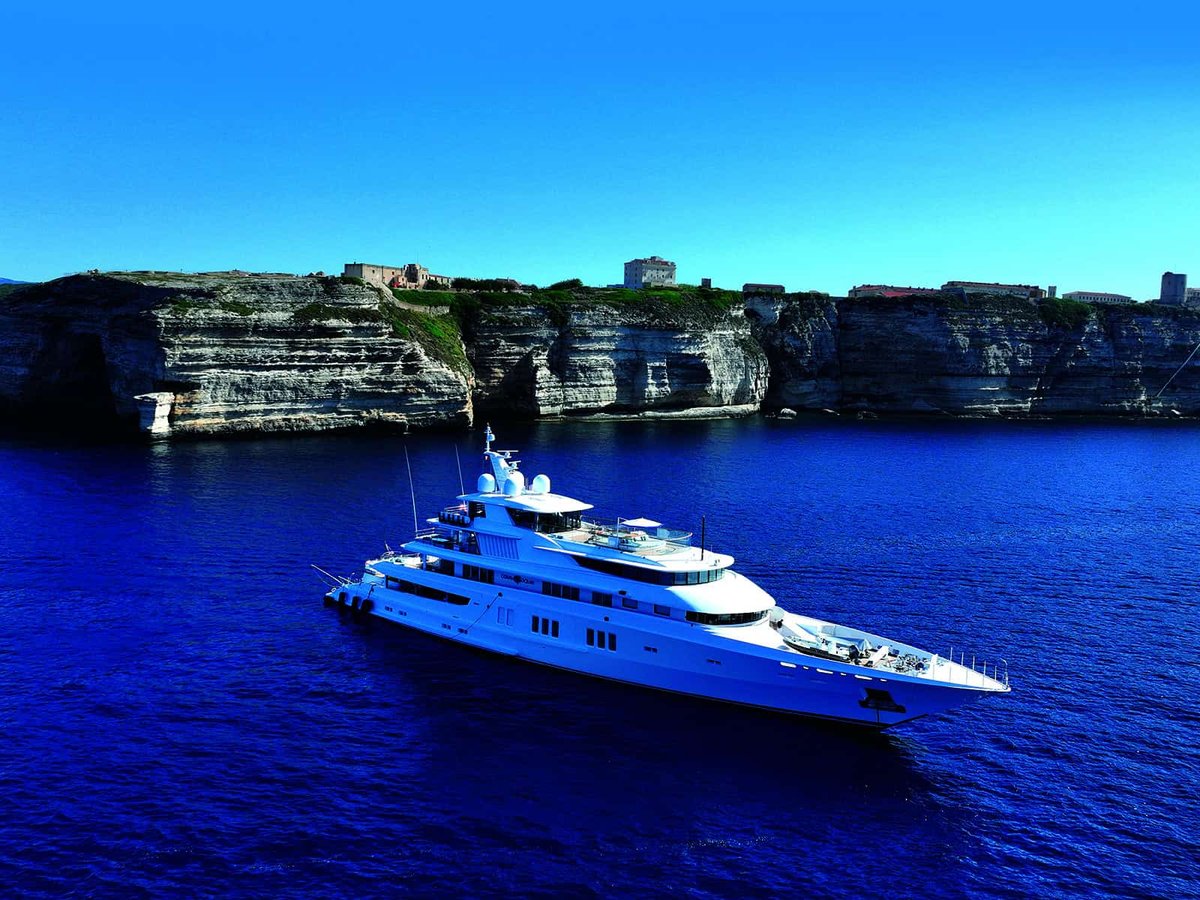
“Everyone always says the crew. Certainly, for repeat clients, we all know the crew is much more important than the boat itself,” Capt. Will Kaye said. Kaye is one of two rotational captains aboard the 73-meter Coral Ocean and has been on board for six and a half years. The boat works between the Med and Caribbean. “Employing, training, mentoring, and retaining a top-notch charter team is absolutely key.”
Longevity is vital, and Kaye shared that most of his senior crew had been with him for four years or more, with some of the junior crew also remaining long-term. “The big driver to have that many crew is that we can keep a crew rested and keep the morale up, which really helps with the long charter seasons,” he said.
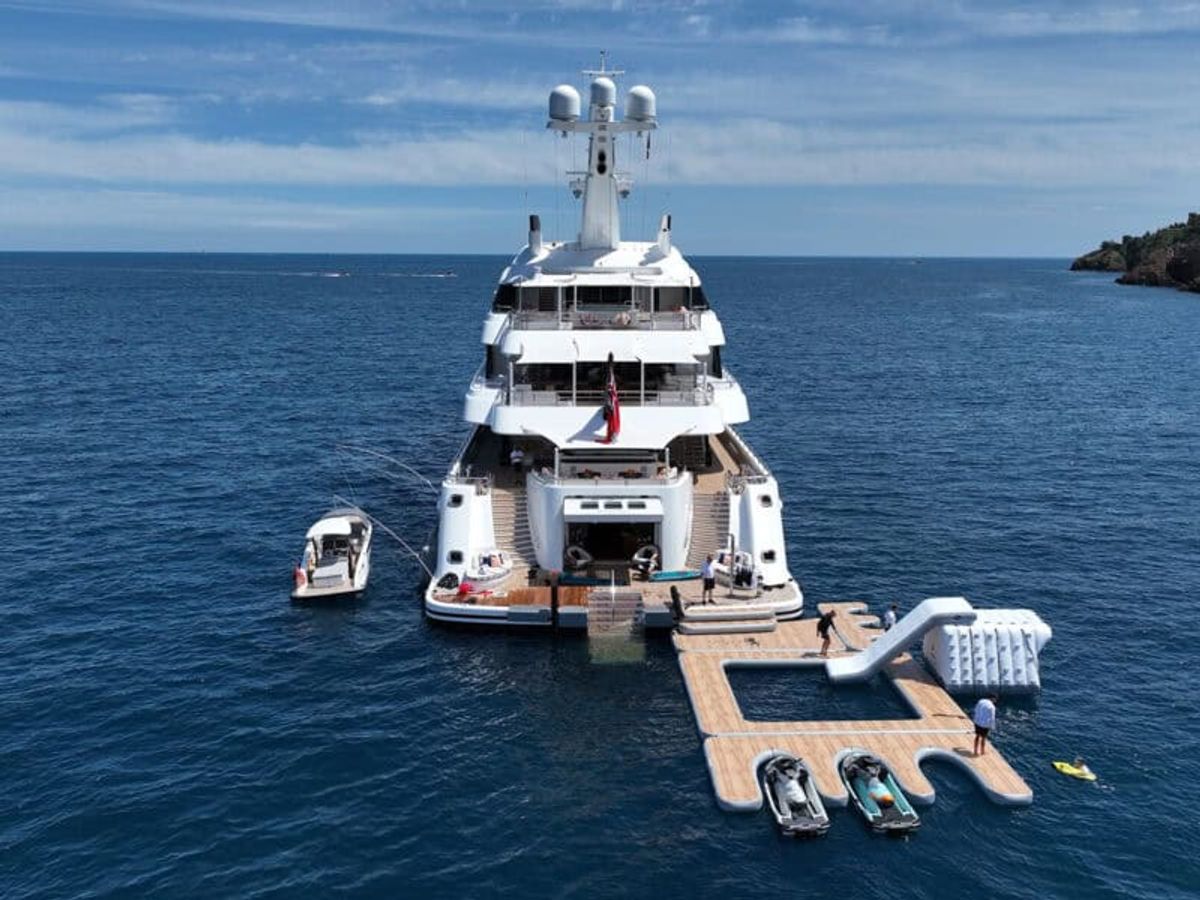
Crewmembers with additional skills are invaluable on charter yachts. Coral Ocean employs a spa stewardess, Pilates instructors, a carpenter, a hairdresser, and a personal trainer. Most of the deck crew are also Jet Ski instructors with various specialties.
“Although the vessel is one of the most impressive charter platforms, with high-end luxury spaces, our incredible crew is one of the biggest elements that set Gigia [apart] from other charter yachts,” said Capt. Jacques Heymann of the 85-meter Gigia. With 28 full-time crew on board, they have various skills to offer, from a personal trainer and yoga instructor to beautician and masseuse, to mixologists and water sports specialists. They also have a videographer and drone pilot. “By recruiting crew with the correct skills, attitude, and fit for the program, this translates to many successful future charters.” Heymann shares that Gigia has a “100% hit rate for repeat clients” and charters in the Med and Caribbean.
Capt. Rupert Lean has 44 years of experience and now works as a captain between several fleet vessels ranging from 108 to 146 feet. For him, success starts at the top and trickles down. “The most important thing is a good, calm, engaging captain and an excellent chef. The rest of the crew can learn from the two,” he said. Lean’s program also has a high number of repeat charters.
Heymann believes flexibility is key but is often overlooked. A soft skill, but it’s “valuable on charter, where it can help you deal with unexpected problems and tasks. Being flexible without compromising safety is usually well-received by charter clients.”
The Boat
The vessel is an important element in building a strong program. “You need a good platform,” Kaye said. “People want good bones with fresh interiors, generally, nothing too out of the ordinary. Good charter layouts with all the right equipment.”
Amenities are essential, but Kaye argued not as much as many believe. “There is a required minimum that’s just become the standard, and everyone has it,” he said. “The reality is, at this level, if somebody wants something, we’re just going to get it on board for the trip.”
However, you must be able to compete. “Toys and amenities need to be on the leading edge to be competitive, as there are many vessels on the charter market, and clients are spoiled for choice,” Heymann said.
The Benefits
Keeping crew happy is vital. Whether it’s a combination of benefits or the culture, happy crew stay put. Lean believes captains must balance enforcing the rules and creating a relaxed atmosphere.
The key elements to retaining crew are not surprising. “Good remuneration packages, which includes above-average salary and leave packages, equal share of tips for crew, long-term incentive bonuses, and onboard training and development for crew,” Heymann said. “Ensuring the vessel is a smooth and well-run operation” is also essential.
Rotation can be an important factor. On M/Y Coral Ocean, Kaye rotates with another captain and has about 12 rotation positions aboard in his crew of 25, including the laundry and a carpenter. Aboard M/Y Gigia, nine senior crew positions are rotational, including the captain. Lean and the core crew rotate among four fleet vessels in the Bahamas and the Caribbean. Guests want familiar faces, which also influences which boat he’s on.
Another perk for crew is progression potential — no need to look elsewhere if career advancement is possible on board. Kaye’s two fleet chief officers were both former second officers on board.
The onboard culture is also important. “We have a great progression and training program. But primarily, I think the onboard training is an area that we do really well,” Kaye said, who added that they also have an excellent safety culture. He also offers crew leadership training and professional development.
Tipping significantly influences job satisfaction and should not be underestimated. Kaye said it can be a motivating factor, particularly for more junior crew. Heymann agreed. “Tips incentivize crew to deliver the very best service and are also seen as a yardstick to the success of the charter,” Heymann said. Capt. Lean recommends that yachts establish a fair, transparent tipping structure and distribute tips evenly.
Of course, some intangibles will always influence the culture. As Heymann said: “Remember the fun factor for crew — after all, yachting is meant to be fun, right!”
Images courtesy of M/Y Coral Ocean, Rupert Lean, and Burgess.