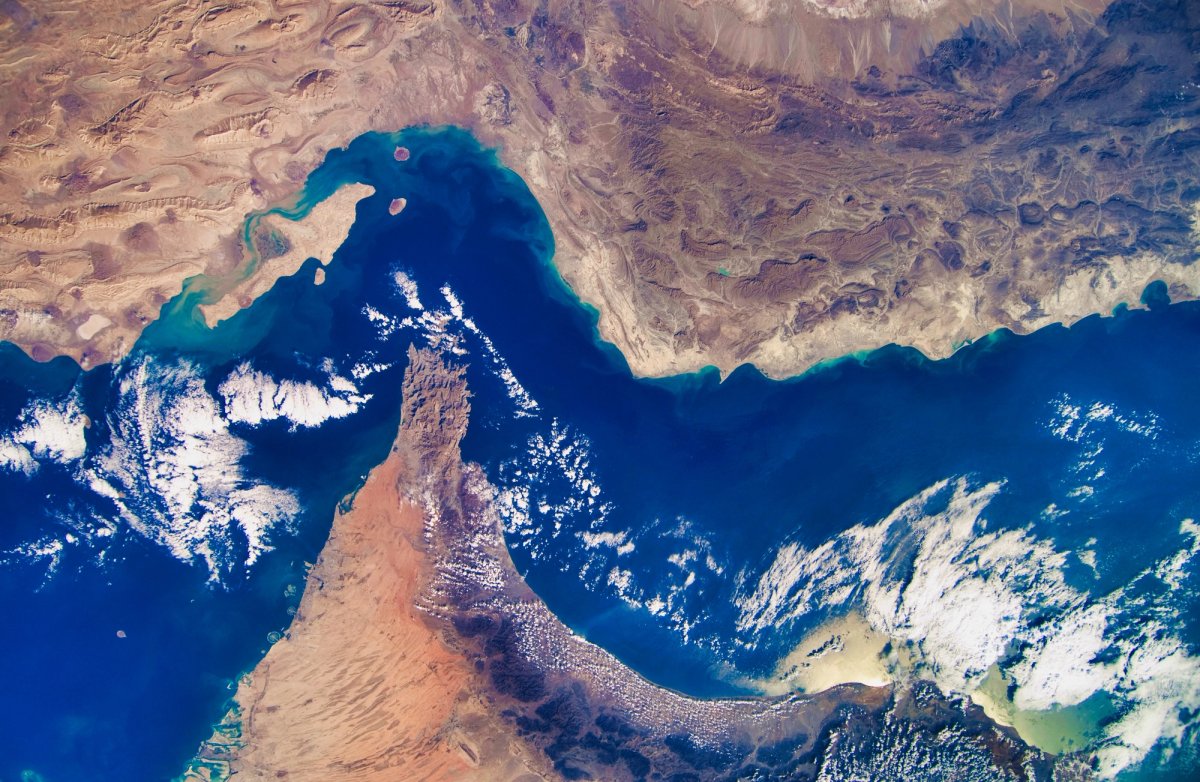

On Feb. 28, 2026, coordinated strikes by U.S. and Israeli forces on Iranian nuclear and military sites marked the start of a 40-day conflict that halted with a ceasefire on April 8. During the fighting, Iran launched waves of ballistic missiles and drones toward the United Arab Emirates, targeting ports, energy infrastructure, and civilian areas, including sites in Dubai — a city that has grown into one of the world’s major yachting hubs. As the conflict disrupted daily life and regional business operations, yacht industry stakeholders told Triton how they have adapted to the changing conditions.
Capt. Gianni Spano
How have your typical routes changed since tensions escalated around the Strait of Hormuz?
New routing restrictions and regulatory measures have been implemented. In accordance with local regulations, vessels are required to maintain a minimum distance of one nautical mile from shoreline structures, while sailing operations are limited to a maximum range of three nautical miles.
Are you avoiding certain areas entirely, or operating with additional precautions?
During periods of heightened conflict, particularly at the peak of the war, sailing operations were temporarily suspended due to safety considerations.
What new protocols (if any) have been implemented on board for transiting high-risk zones?
Marinas now require strict departure and arrival procedures, including the submission of detailed trip information, as well as comprehensive crew and passenger manifests.
What does a “normal day” look like now compared to before the conflict?
Daily operations have adapted to prioritize safety, with deliberate avoidance of designated high-risk areas and potential danger zones.
Have you personally felt unsafe at any point?
Despite these changes, I continue to feel secure in my operations. I have full confidence in the capabilities of the United Arab Emirates security forces and trust that they are taking all necessary measures to ensure public safety.
Oliver Maguire, Sales and Marketing Manager at Bush & Noble
What are clients saying about cruising in the Gulf at the moment?
Although the charter market has slowed slightly due to lower tourist numbers, private boating activity is still very much continuing. The coast guard has implemented regulations and safety measures, including offshore distance limitations and sailing permits, to ensure operations remain safe. Clients are still happy to head out with their families and enjoy time on the water as normal.
Are you seeing a shift toward alternative destinations?
Not more than usual. Around this time of year, many of our clients naturally begin heading toward the Mediterranean due to Dubai’s summer heat. This year, that transition simply started a few weeks earlier than normal. We still have clients in Dubai buying yachts and arranging larger charter experiences, but at the same time we are seeing increased activity across Europe, which is typical for this season anyway.
What does a “normal day” look like now compared to before the conflict?
Day-to-day operations remain very similar to before. The team is still spending time across the marinas, meeting clients and managing viewings. We are also continuing to travel internationally to attend major boat shows and to accompany clients in exploring different opportunities while providing expert guidance throughout the process. Overall, it is as close to normal as possible, with the main difference being a few additional safety procedures and operational measures in place.
Simon Wickham, Director of Skywalker Yachts
What is the atmosphere on the ground in major yachting hubs like?
Now that the industry is well into the conflict period, there is a sense that the initial shock has passed, and a new operational reality has set in. Most companies are no longer reacting in crisis mode and are instead operating with adjusted expectations and tighter controls.
The atmosphere is pragmatic rather than anxious, with a stronger focus on sustainability, cost discipline, and business continuity. There is also a wider belief across the industry that recovery will come over time.
Are ports or marinas implementing additional security measures?
Emergency and contingency protocols have largely already been implemented. Security measures remain elevated, but they have now become part of routine operations rather than temporary responses.
Restrictions such as sailing zone limitations and additional operating procedures are now being treated as standard practice, allowing businesses to adapt and continue operating with greater confidence.
Have supply chains or servicing timelines been affected?
Supply chains remain functional, but companies are deliberately limiting operational exposure. Many operators are running fewer vessels across their fleets to manage costs, which in turn has reduced pressure on servicing and logistics networks.
Where delays do occur, they are often driven more by internal cost-control measures and operational decisions rather than broader supply chain disruption.
Is the local yachting economy feeling strain, or has it remained resilient?
This is where the split is most evident. Charter operators are clearly feeling some strain. Many have introduced cost-cutting measures across staffing, fleet deployment, and general overheads. Activity continues, but margins are under pressure and operations are being managed more carefully.
Yacht sales, by contrast, remain relatively optimistic. A growing number of buyers are viewing the current environment as an opportunity to enter the market. This has translated into increased enquiry levels, even if transaction timelines remain cautious, similar to what we saw following the COVID-19 period.
What does a “normal day” look like now versus before the conflict?
A normal day today looks more restrained and cost-conscious than before the conflict. Fleets are leaner, workforce structures are tighter, and decision-making is more deliberate. Operations continue as normal, but with fewer vessels active, closer financial oversight, and a stronger emphasis on risk management rather than expansion.
Nabeel Hijris, Middle East Director of JMS Yachting
How has the situation affected bookings, charter demand, and fleet utilization?
We’ve definitely seen a more cautious approach from clients over the past period. Some bookings have slowed, especially for itineraries involving certain parts of the region, while others have been postponed rather than canceled altogether. That said, Dubai and the UAE are still seen as relatively stable hubs, so we’re continuing to see activity, particularly from local and regional clients. Fleet utilization has adjusted slightly, but operations are still moving.
Are clients shifting their yachts out of the Gulf region? How if so?
Yes, in some cases owners are choosing to reposition their yachts to destinations like the Mediterranean or the Indian Ocean, mainly as a precaution and for operational flexibility. Others are simply adjusting cruising plans and avoiding specific routes. It’s not a mass movement, but there’s definitely more strategic planning around yacht positioning than before.
What new risk assessments or compliance measures are you implementing?
We’re putting a much stronger focus on route monitoring, insurance compliance, crew safety procedures, and real-time operational updates. There’s also closer coordination with marinas, port authorities, and security advisors to ensure vessels can respond quickly to any changes in the region. Clients today want much more transparency and reassurance, so communication has become a key part of operations.
Do you see this as a short-term disruption or something that could reshape yachting in the region long-term?
In the short term, I think it’s mainly causing operational caution and slower decision-making from some clients. Long term though, it could push the industry toward more diversified cruising strategies and stronger regional contingency planning. The Gulf has always been resilient, and Dubai in particular still has strong infrastructure and appeal, so I don’t see demand disappearing — more so evolving.
What does a “normal day” look like now compared to before the conflict?
Before, operations were much more routine and predictable. Now, there’s definitely more daily monitoring involved — checking regional updates, reviewing itineraries, speaking with clients and captains more frequently, and ensuring compliance requirements are constantly up to date. The core business is still running, but with a greater emphasis on flexibility and risk management.