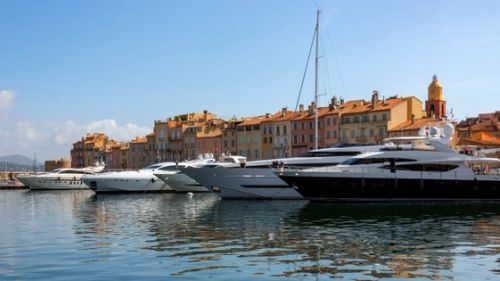
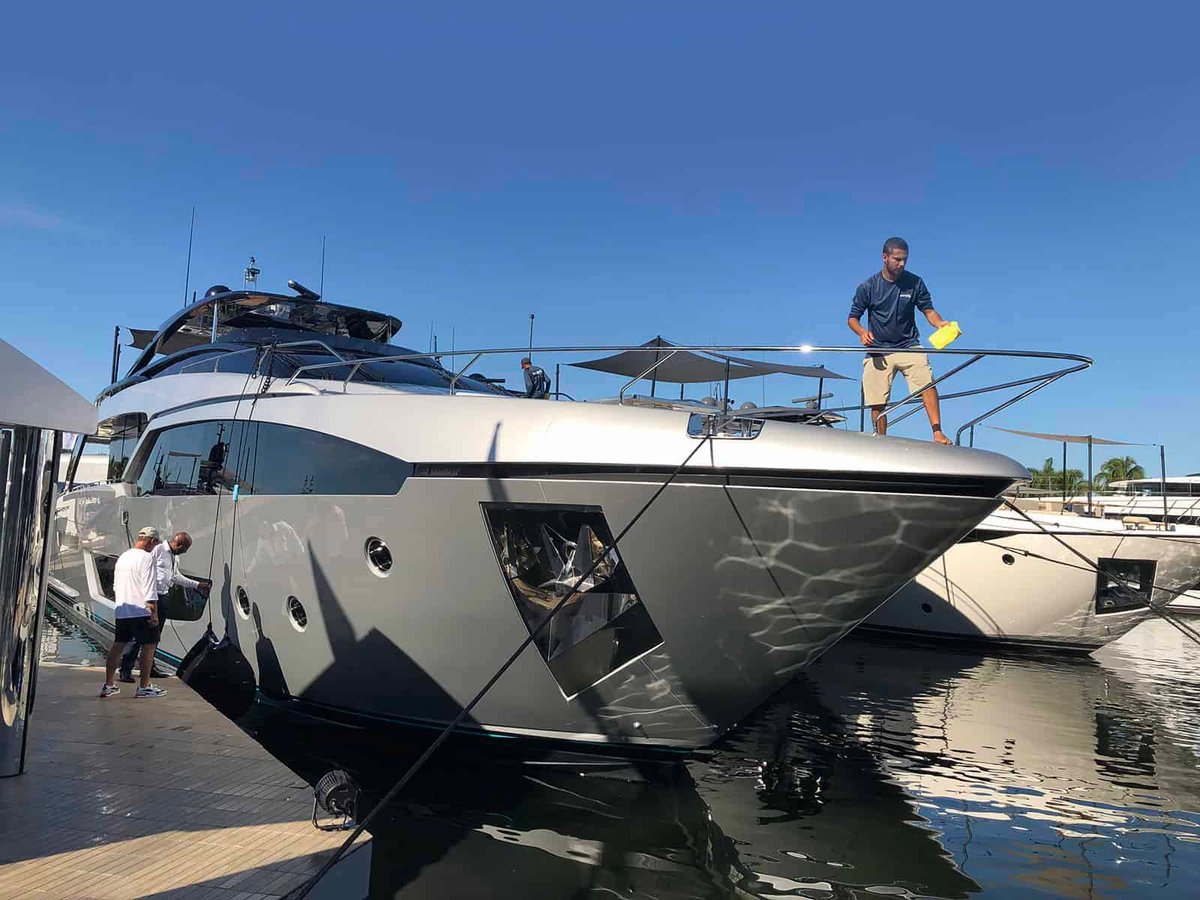

A walk down the docks of Antibes, Palma, or Fort Lauderdale tells more tales about the yachting industry than any handbook could prepare greenies, deckhands, and stewards alike. The Mediterranean hums with precision and polish, while South Florida leans towards affability and familiarity. For crew who have worked both, the differences are felt not just in marinas and uniforms, but in how teams interact and careers take shape.
Balancing Work and Lifestyle
When Stewardess and Certified Sommelier Hannah Assumption first started in Antibes, she noticed a party culture practically constructed into crew life. Young deckhands and stews celebrated with long nights ashore, something Chef Marissa Gallagher also observed during her seasons in Europe.
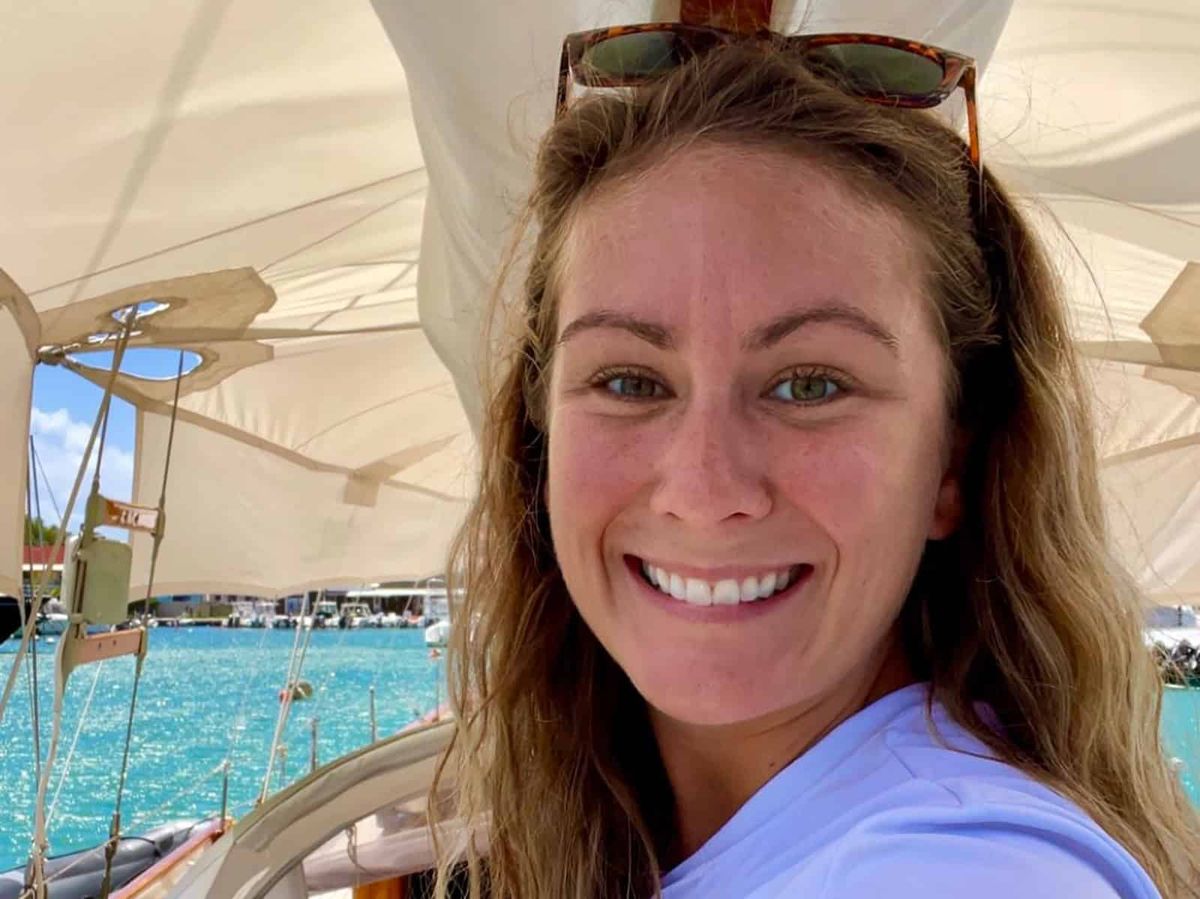
“It feels accessible. You can dockwalk in the morning, get daywork that afternoon, and be out with your new crew that evening,” Gallagher said.
Both women agreed that the United States requires a different mindset. Gated marinas in Fort Lauderdale leave little room for casual introductions. Networking through crew houses or training centers often replaces the European-style dockwalk for Gallagher, which has its benefits.
“Fort Lauderdale offers so many courses in hospitality, safety, and service. You can walk away more prepared before you even step on a yacht,” she said. Assumption added that the U.S. scene, while more formal in how crew get jobs, often feels more relaxed once owners arrive on board.
Bosun Marc Koots has observed how lifestyle differences ripple into professionalism.
“Europe holds you to a higher standard on the dock,” he said. “How you dress, how you conduct yourself, it’s all under watch.”
Assumption nodded to that same pressure, noting that uniform standards in Europe can be unforgiving compared with the practical, sometimes casual approach in Florida. Yet, the flip side, she pointed out, is that U.S. owners often treat crew more like family, erasing some of the rigid lines that dominate the Med.
Embarking Port to Port
For newcomers, those contrasts shape how careers begin. Gallagher’s early days of dockwalking in Palma taught her how to hustle and build resilience, but she acknowledges that Fort Lauderdale gave her structure.
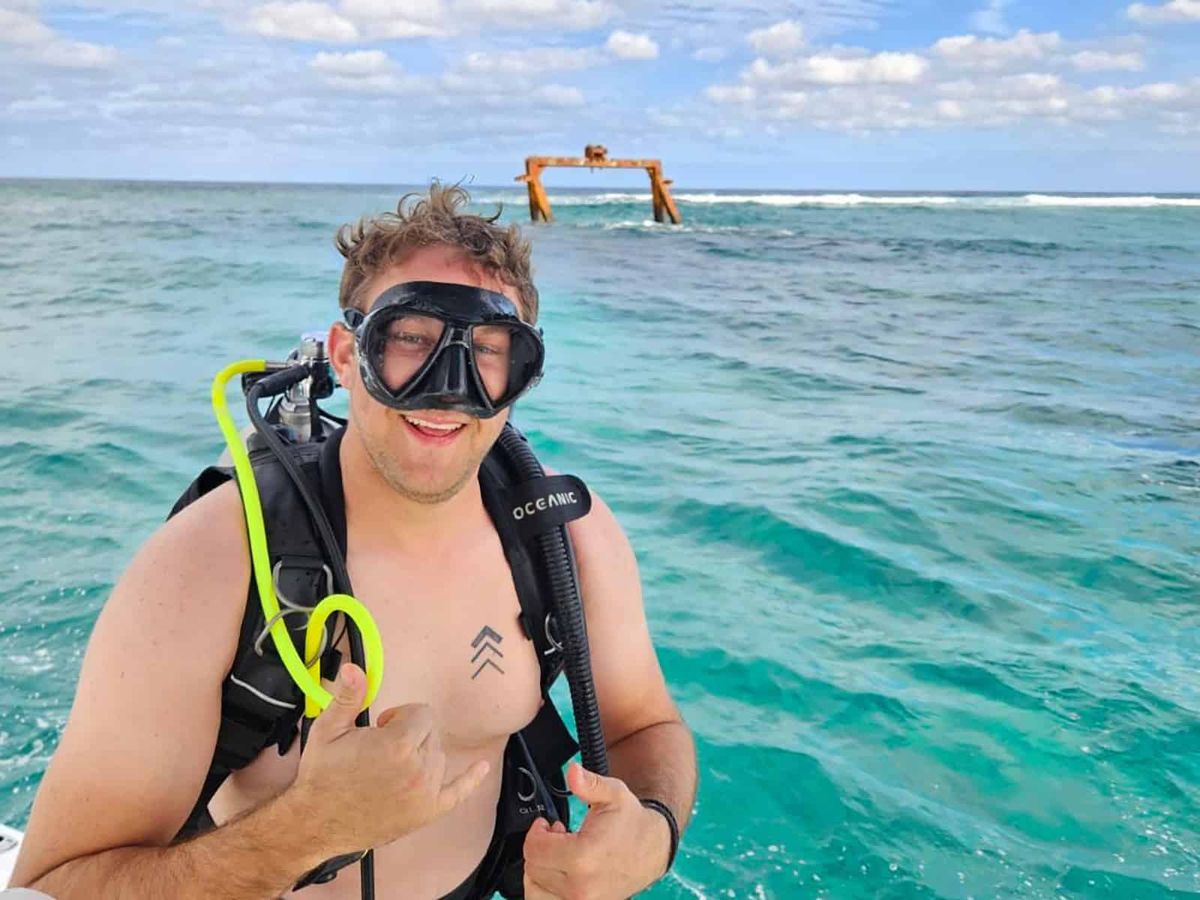
“Here, you don’t just fall into a job. You train, you meet people, you prepare. That makes you stronger when the right position comes along.”
Assumption agreed, but with caution. “In the Med, you learn fast by being thrown in. While stateside, you learn first, then get thrown in. Both are valuable, but they attract different personalities.”
Koots, who has trained with crews on both sides of the Atlantic, echoed the point. He values candidates who can adapt quickly to whichever system they start in, noting that flexibility matters more than geography.
Owners and Crew
While each port city influences the start of a career, the atmosphere on board shifts once owners are on board. Assumption has noticed that meals can often be shared casually amongst owners and crew, building a family dynamic in Fort Lauderdale and the Caribbean. Gallagher has experienced the same, with owners striking up conversations in the galley or asking for recommendations on local dining. “It feels approachable, like you’re part of their circle,” she said.
Koots contrasted that with Europe’s formality.
“There, you keep a respectful distance. You serve at arm’s length, so to speak. It’s professional, polished, but less personal.” He believes neither is better, only different, though he acknowledges that crew morale often rises when owners treat the team with warmth.
The Common Current
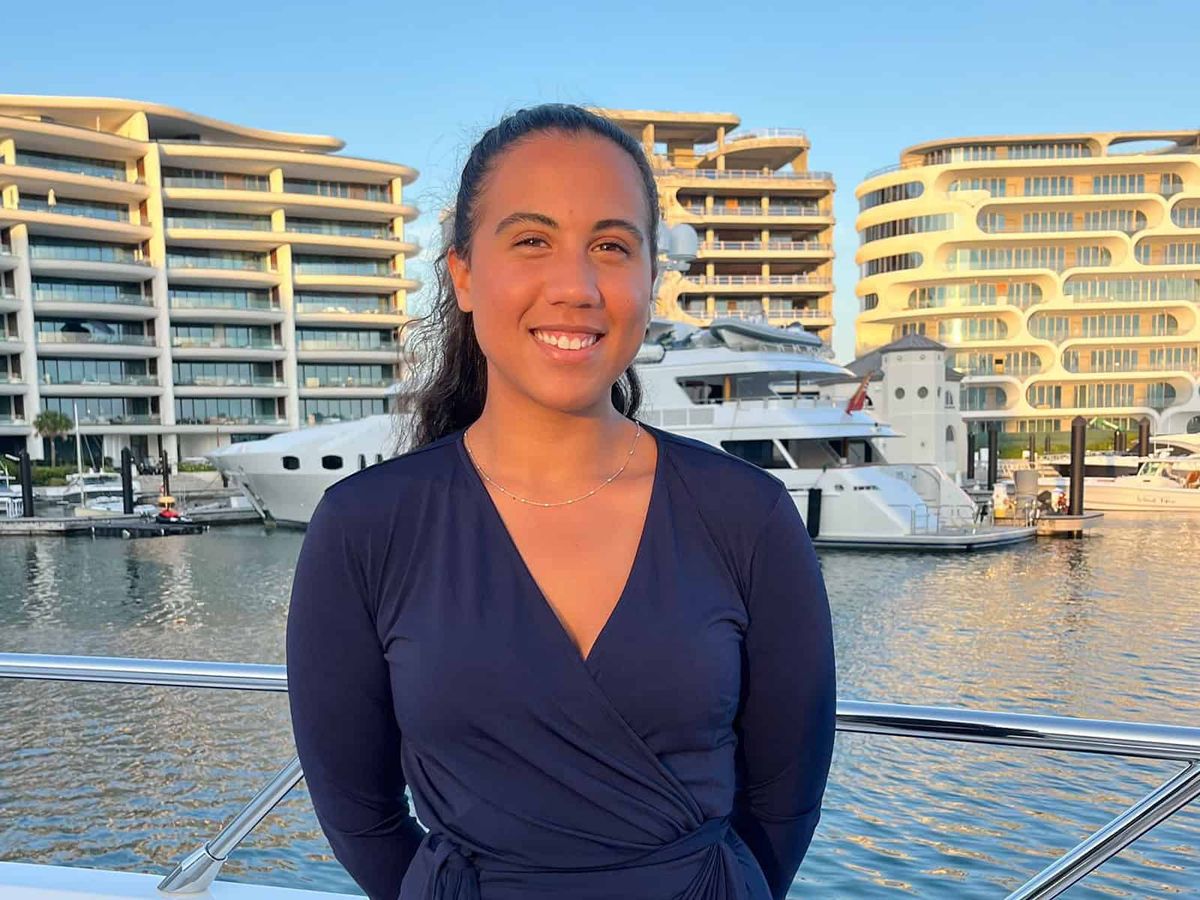
Regardless of their different paths in the yachting industry, starting out at various ports, and their roles, all three emphasized that adaptability is the primary source of a successful yachting career.
“You have to be able to read the room. Whether in the Med or Fort Lauderdale, every yacht runs on its own culture,” Assumption said. Gallagher added that persistence, whether through dockwalking or networking, matters more than the location itself.
Koots, with over a decade of experience, put it most simply: “The ocean doesn’t change, only the people do. If you carry yourself with professionalism and respect, you’ll find success anywhere.”
Whether it’s the Med’s strive for polished precision or Fort Lauderdale’s cruising family-like friendliness, the industry relies on crewmembers who have the capability to adjust, adapt, and deliver excellence under any circumstance. For Assumption, Gallagher, and Koots, those differences are what make the journey worthwhile.