
At sea, where hospitals are oceans away, a nurse brings critical care on board.
Nursing roles are becoming increasingly popular in the yachting industry. Here, two professionals share how they charted a course from hospitals to the high seas, and what it takes to keep yachts healthy.

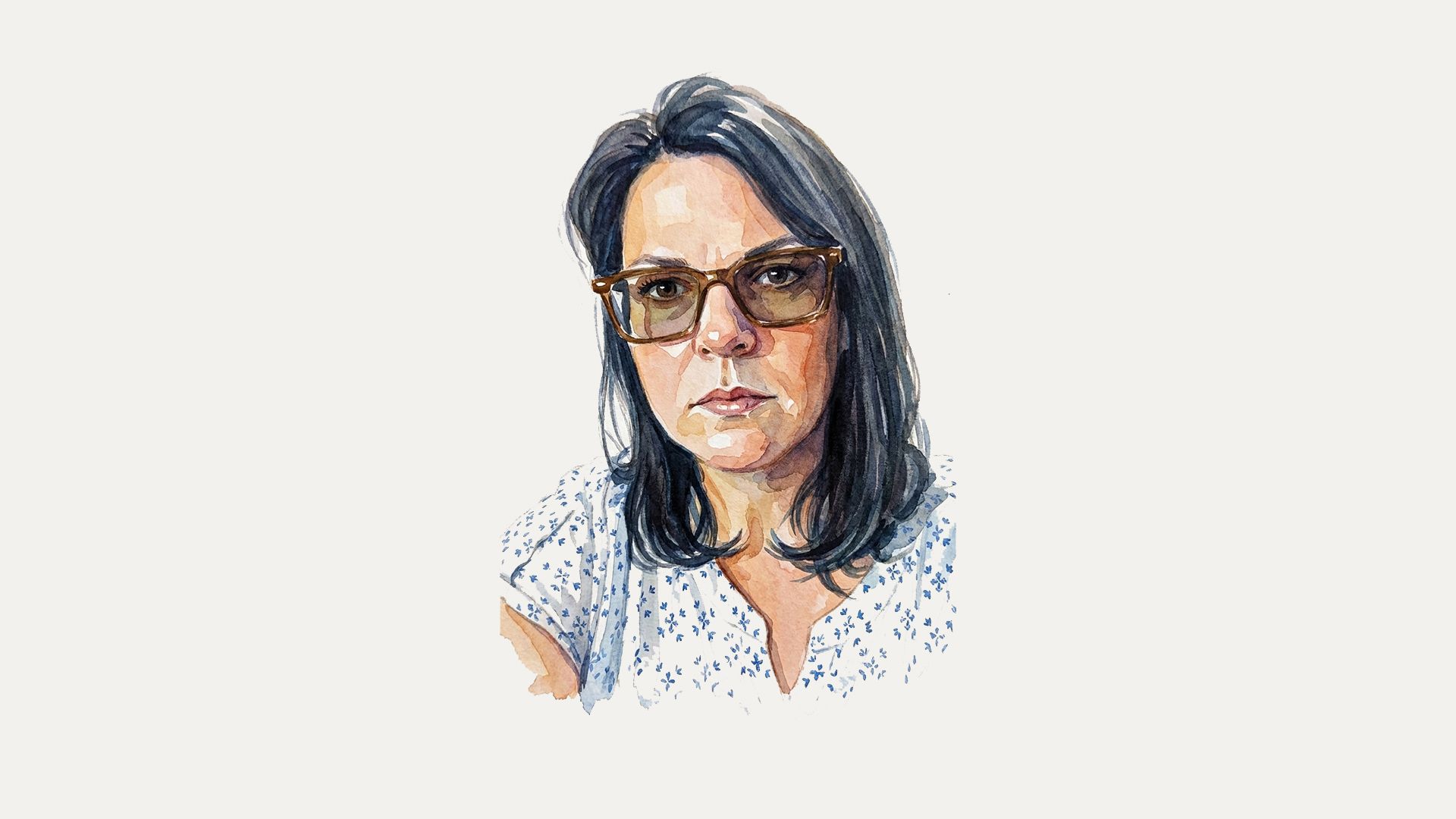
Isidora Čejović took a winding road to her first yacht, with experience as nurse, lab technician, and wellness consultant — and later as a United Nations medical biochemical lab technician in war-torn Mali. While in Africa, she received an offer to join a yacht, and hasn’t looked back. She joined a 141-meter private yacht as a nurse/housekeeping stewardess, providing medical support and working within the interior department. She has been in yachting for four years, serving as a nurse/second stewardess to a residence manager/chief medical nurse, often overseeing both the medical clinic and interior operations.
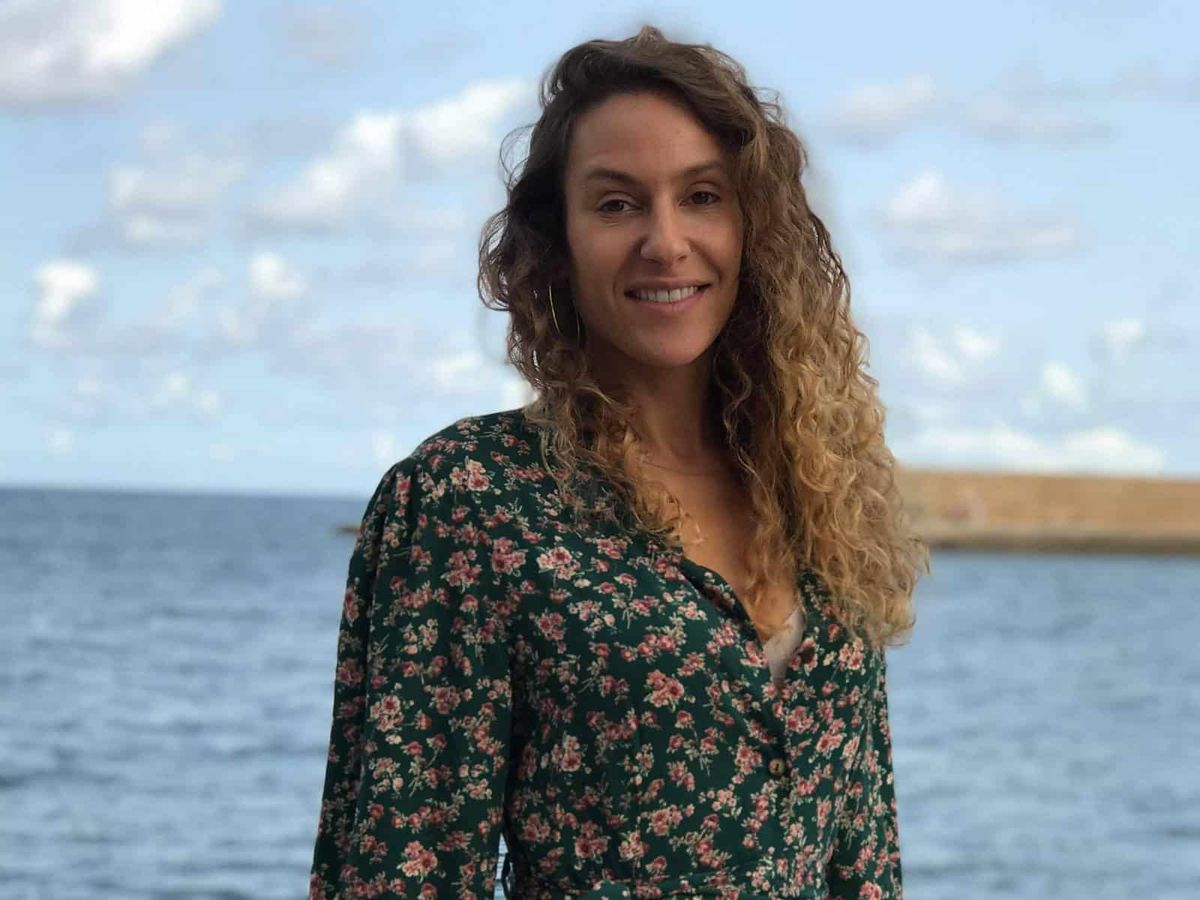
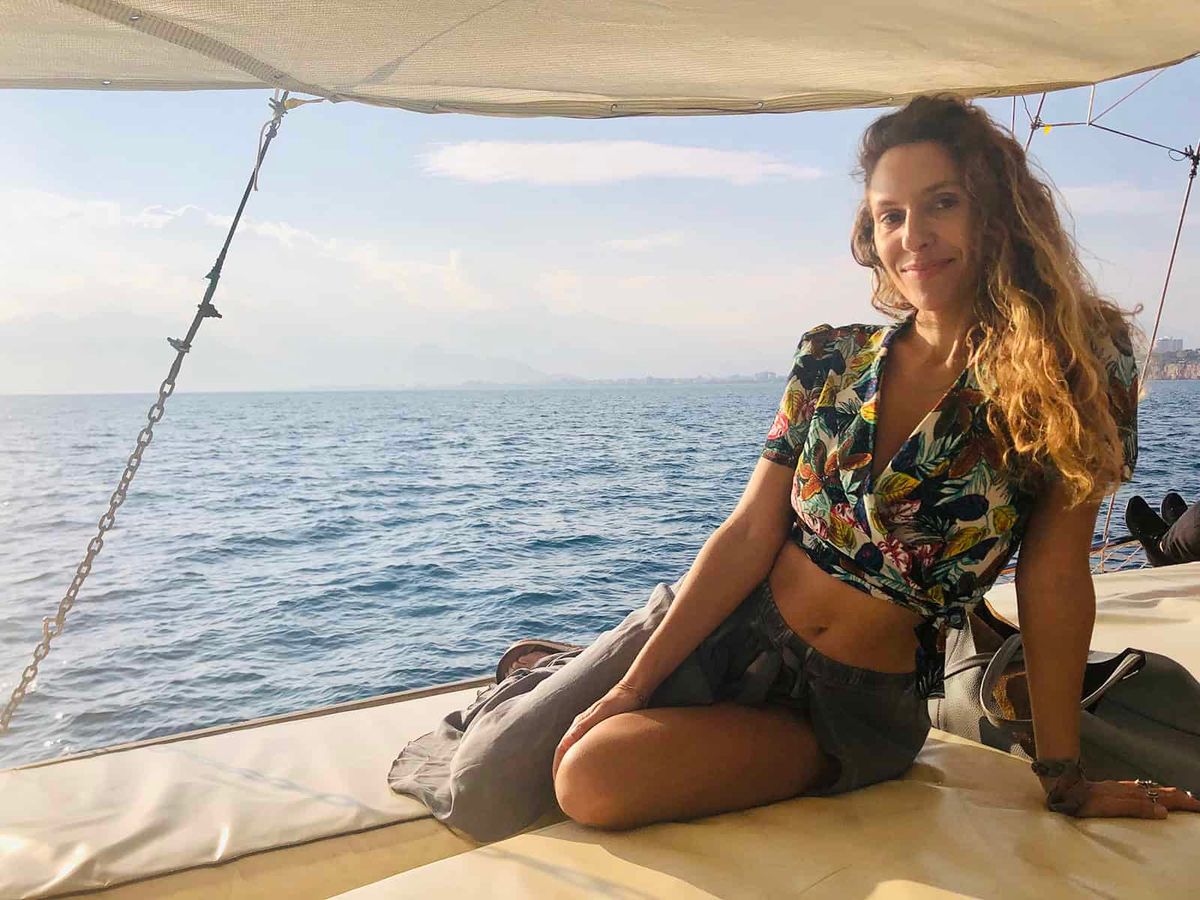
Tanya Zajdel holds nursing licenses in both the U.S. and Canada, is EMT-trained through UCLA, and has experience in emergency, maternal, and mental health nursing. After years as a nurse, Zajdel looked for a way to combine her medical experience with nature and travel. “I started surfing, then sailing, and the ocean just kept calling me back,” she said. Since 2021, she’s worked on smaller vessels across Miami, the Bahamas, and the Mediterranean, with a hybrid role that includes nurse, cook, or stew.
On the Job
Čejović has spent the past two years focusing mainly on medical, including leading onboard clinics, providing care for guests and crew, and developing wellness routines tailored to life at sea. “Some days I’m administering IV vitamin therapy or coordinating aesthetic treatments; other days I’m organizing guest schedules, managing service teams, or supporting housekeeping,” she said. “My work is truly dual — part science, part service — and I love that balance.”
She has her STCW, STCW First Aid, and STCW Medical Care. She has advanced emergency training, including Basic Life Support, Advanced Life Support, CPR, and AED, plus specialized training in trauma and tele-medical coordination at sea. She has also completed interior and service training.
“Continuous education is part of my lifestyle, and these certifications are not just requirements; they are reminders that knowledge saves lives,” Čejović said. Her goal is well-being. “On yachts, everything is magnified: the beauty, the stress, the precision. You can’t have one without the other.”
On smaller vessels, Zajdel’s role is even more fluid. She might handle both guest care and medical, or prep meals. “I adapt to what the team needs most — and on smaller vessels, that flexibility makes all the difference.” She also works on deck as needed. “Every day is dynamic, and that’s what I love about the lifestyle — it’s never repetitive.”
That flexibility also means longer hours. “I collaborate with every department — galley, interior, medical, and deck — to ensure guests have a positive, safe, and memorable experience,” Zajdel said.
Čejović agreed — her duties mean she’s available 24/7. “Even when I leave the yacht, I stay connected online in case of any medical situation. If a crewmember needs observation or treatment, I will stay on board all day and night to follow their condition,” she said. “Being responsible for health means that my readiness never truly stops; it just becomes quieter.”
Čejović liaises closely with the captain, chief officer, and chief stew to align safety protocols, guest wellness, and dietary needs. During drills, she coordinates with all crew to make sure they understand their roles.
Both agree that the nursing role transcends just medical — ensuring the crew stays healthy, morale remains high, and they feel supported physically and emotionally. “Mental health on board is vital for the vessel’s culture,” Zajdel said. “It’s physically and emotionally demanding, so keeping your energy steady and your mindset clear is vital.” It’s also a challenge to maintain personal balance.
Calm in the Chaos
A nurse’s job may seem straightforward, but on board, the work is anything but. When asked what was most unexpected about the job, Zajdel responded, “How self-reliant you must be. At sea, there’s no hospital down the road — if a guest or crewmember gets injured, you are the first and only responder. You need to remain calm, prepared, and capable under pressure.”
It’s not glamorous, Čejović said. “In reality, it’s a position of enormous responsibility. You are the first point of contact in every emergency, the person who must remain calm no matter what happens. You carry not only the medical kit but also the emotional balance of the crew. My goal is always to create a safe, trusting atmosphere where everyone feels looked after, whether during a medical incident or a simple wellness consultation.”
The contrast between hospital and yacht work lies in the standards, Čejović said. “The expectations are higher, the space is smaller, and the responsibility is enormous. You’re often the only medical professional on board, and your calmness becomes as vital as your knowledge,” she said.
Demand
The nursing role is growing in popularity, “especially on off-grid charters and private yachts where guests want the assurance of onboard medical expertise,” Zajdel said. Both she and Čejović agree that it’s valuable, as owners prioritize safety, wellness, and holistic, preventative care. The dual role is essential because it combines healthcare, discretion, and service.
“It’s not only about emergencies; it’s about overall well-being,” Čejović said. “Guests expect a level of security and comfort that can only exist when there’s a qualified medical professional on board.”