
Building The Yacht Stew empire
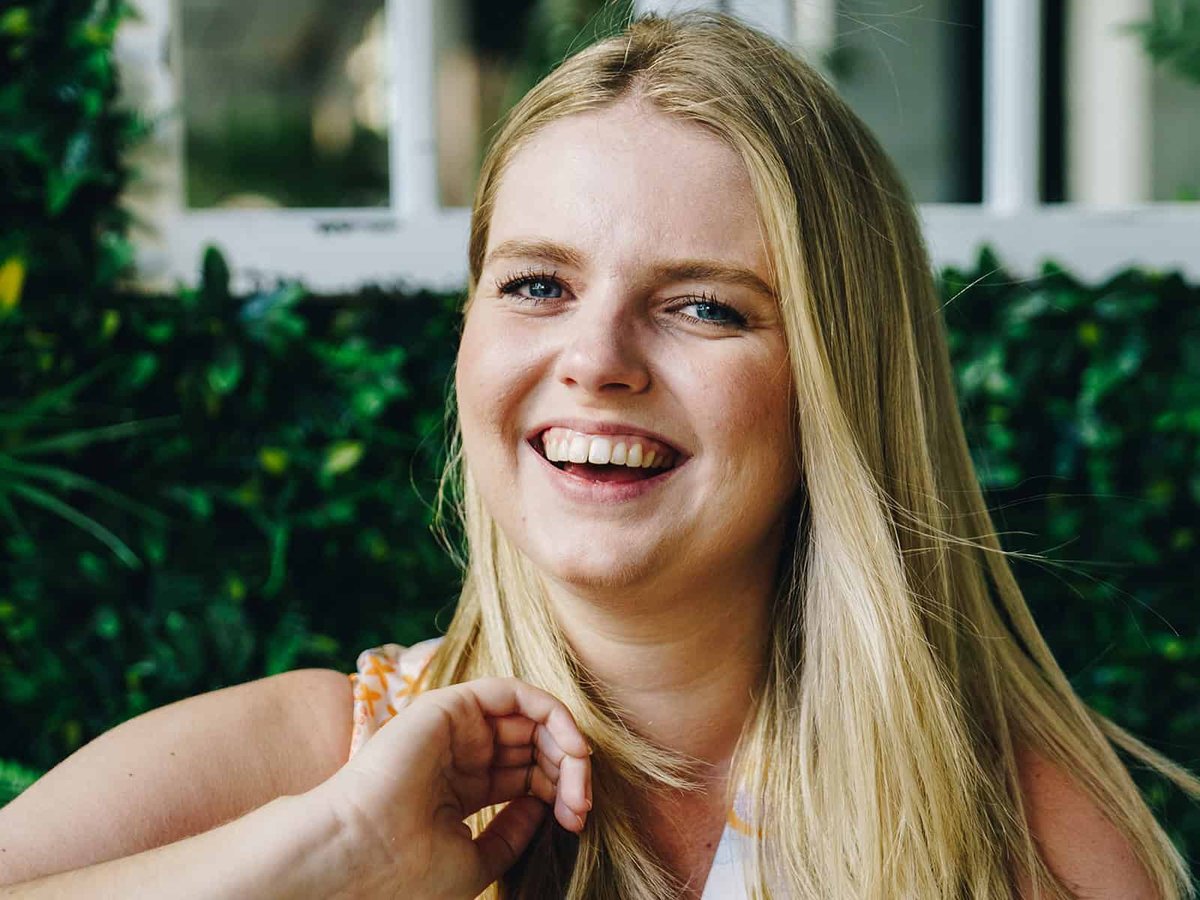
Gemma Hulbert joined the yachting industry fresh-faced at 18, working her way up from junior stew to chief stew within 10 years of working on board. She built her Yacht Stew community from her crew cabin, and after leaving for land life, Gemma successfully launched and developed various arms of the Yacht Stew brand, continuing to build her empire, helping, and supporting crew members.
How and when did you get into yachting?
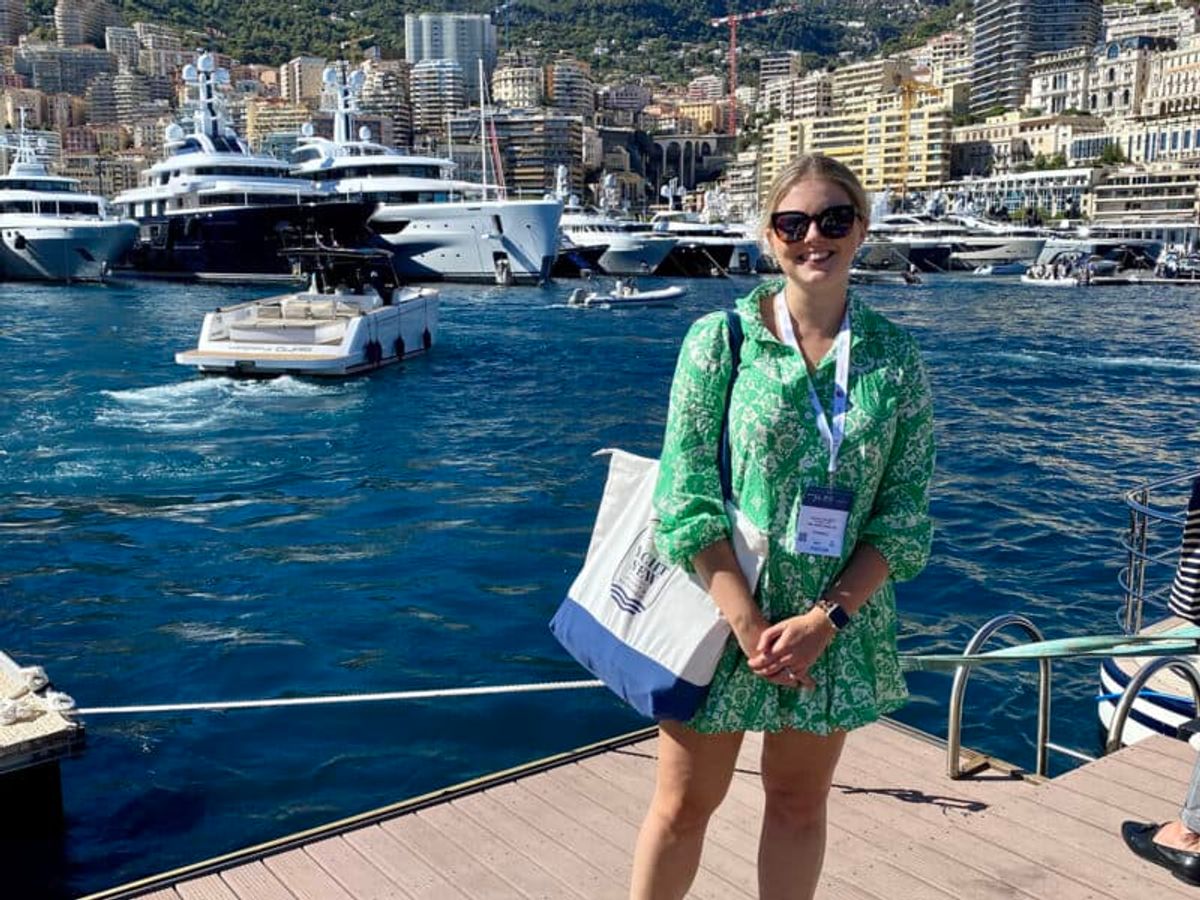
My yachting journey started in 2011. I was at university studying event management and hospitality, and someone in my class had completed seven years on board, so I heard bits about the industry. Although I was only 18 when I reached the end of my program, I thought, why not go and try a yachting career? I loved to travel, but I had no idea what I was getting into. I wrote my final exam and flew the next day – I even booked my STCW on the plane there! I spent four weeks in Fort Lauderdale, got on my first boat and progressed from there. I worked within the 40-75 meter range. The final boat that I was chief stew on was the same one I was junior stew on earlier in my career, so it was a complete full circle moment that it would be my last position, and then I left in 2020.
How did The Yacht Stew begin?
The Yacht Stew began in 2016 when I was still on board. I was based on a boat in Canada year-round, and in the three years I was on board, I only saw one other boat, so it was pretty lonely. This was in a time before all the great social media and WhatsApp groups for crew there are today. I wanted a place where I could go to speak and connect with other stews and to see how I was part of something bigger than just the three interior crew on my boat. I started the blog and began sharing what I was doing. It took me six months to put my name to anything. I had full-on imposter syndrome, but my main purpose was to connect, so I eventually introduced myself. Today, I have met the majority of my best friends through my platforms.
How did this develop into what the brand is today?
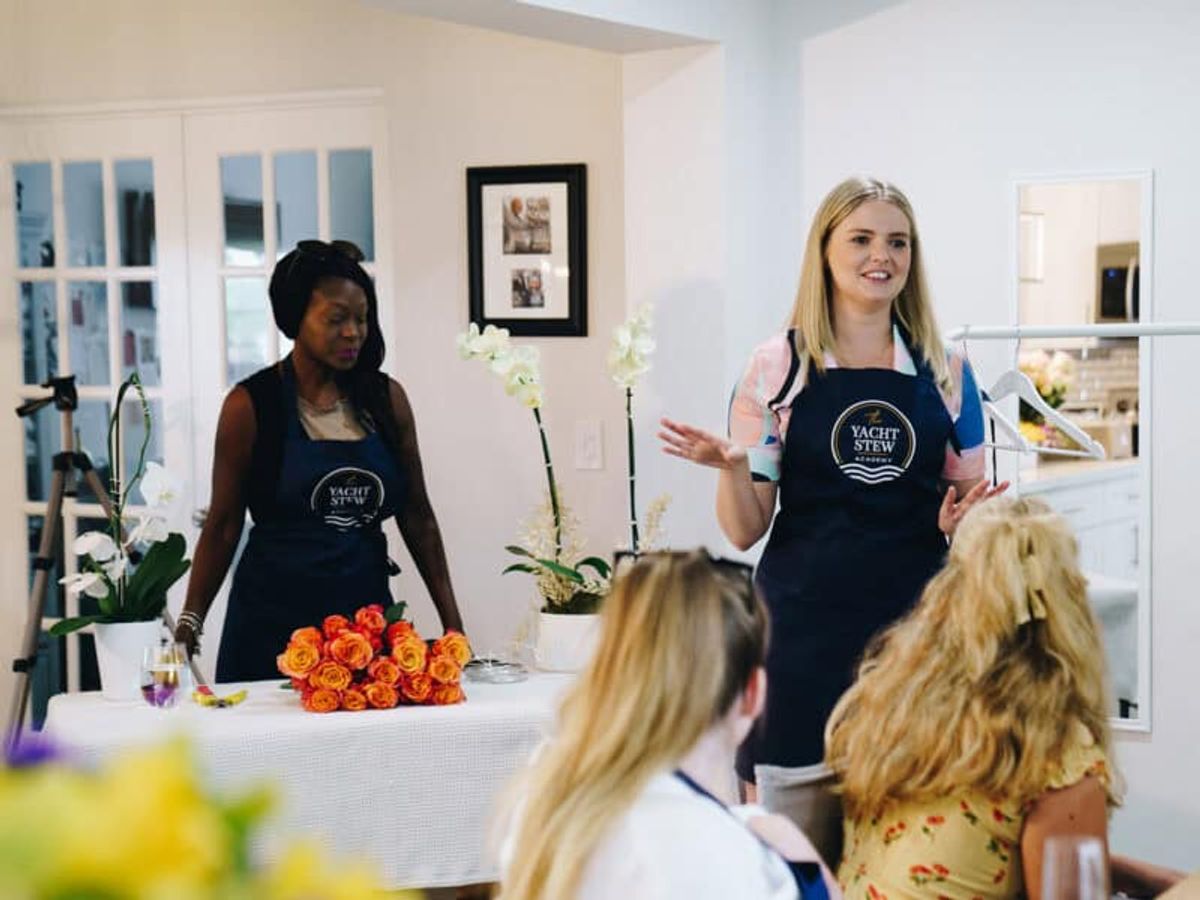
It began as a community passion-building project; it was never a money thing for me, it was all about the community. We were one of the first Instagram platforms for stews, so it developed naturally, but my goal was to always go into training. My dream was always to help and train others, so I first started the Yacht Stew Training Academy. I then found that many students sent me their CVs once they had completed courses in case of relevant job vacancies. One of my friends needed a stew and asked about my recruitment fees, so I realized I was recruiting without actually intending to. At the time, I had so much going on with the Academy that I never thought of expanding into a recruitment agency. I then hired my first team member, Eloise. She was actually someone I had interviewed years ago for a role on board, and I just knew that someday I would work with her in some form or another, so I hired her to help me with the recruitment side. I had no idea, but the stars really did align as Eloise had just left her last boat and was looking for a recruitment job. Hiring Eloise meant I could manage both the training and recruitment side; I brought on my other team members about six months later when we kept growing.
How has your experience from yachting helped you build your businesses?
It’s sad, but many people don’t see the transferable skills yachting offers you. On board, you are so guest-focused, honing in on that attention to detail and always giving six-star service — we now prioritize our clients in the same way. I am a people pleaser to my core! You learn so many skills in yachting in such a condensed way. As I was always on busy boats, this has allowed me to be very good at prioritizing my time, and I am not afraid to work hard or for long hours. As yacht crew, you are so resourceful; we don’t see roadblocks, and we always had to turn no’s into yes’s, which has been great when building my businesses and delivering to clients. Yachting is a great industry, but there is a time limit for some of us, and leaving can be challenging. When I hire, I always look to hire ex-crew as I value these transferable skills. I also look for what I am not good at and then hire someone that is! It is so valuable that I get to encourage and support those leaving the industry.
What is your advice for yachties wanting to leave the industry?
Don’t be afraid to go for it! If you have an idea, you have to do it because if you are still sitting on it for two years, someone else will likely do it instead; you need to have faith in yourself. Also ensure savings because how things add up on land is unbelievable! My other advice is to give yourself space to breathe and calm your adrenaline from working on board. The day I landed, I was setting up podcast interviews and looking at online resources for crew during the pandemic. I gave myself no downtime and then burnt out a year later. You can’t give from an empty cup, so always take any time off you can. It is also really important to keep and value your connections. For me, yachting was all about forming relationships; I have so many close bonds with the crew I worked with that I have kept since moving ashore.
What has been your biggest challenge when moving ashore?
I started in the industry so young that when I left, I felt like I lacked many tangible life skills; things such as setting up direct deposits for bills and cooking for myself were scary when I left. I wish I had honored more of my in-between time between boats, but sitting still isn’t something I am good at. I had a lot of catching up to do when I left, which was quite overwhelming.
What have been your biggest achievements with The Yacht Stew?
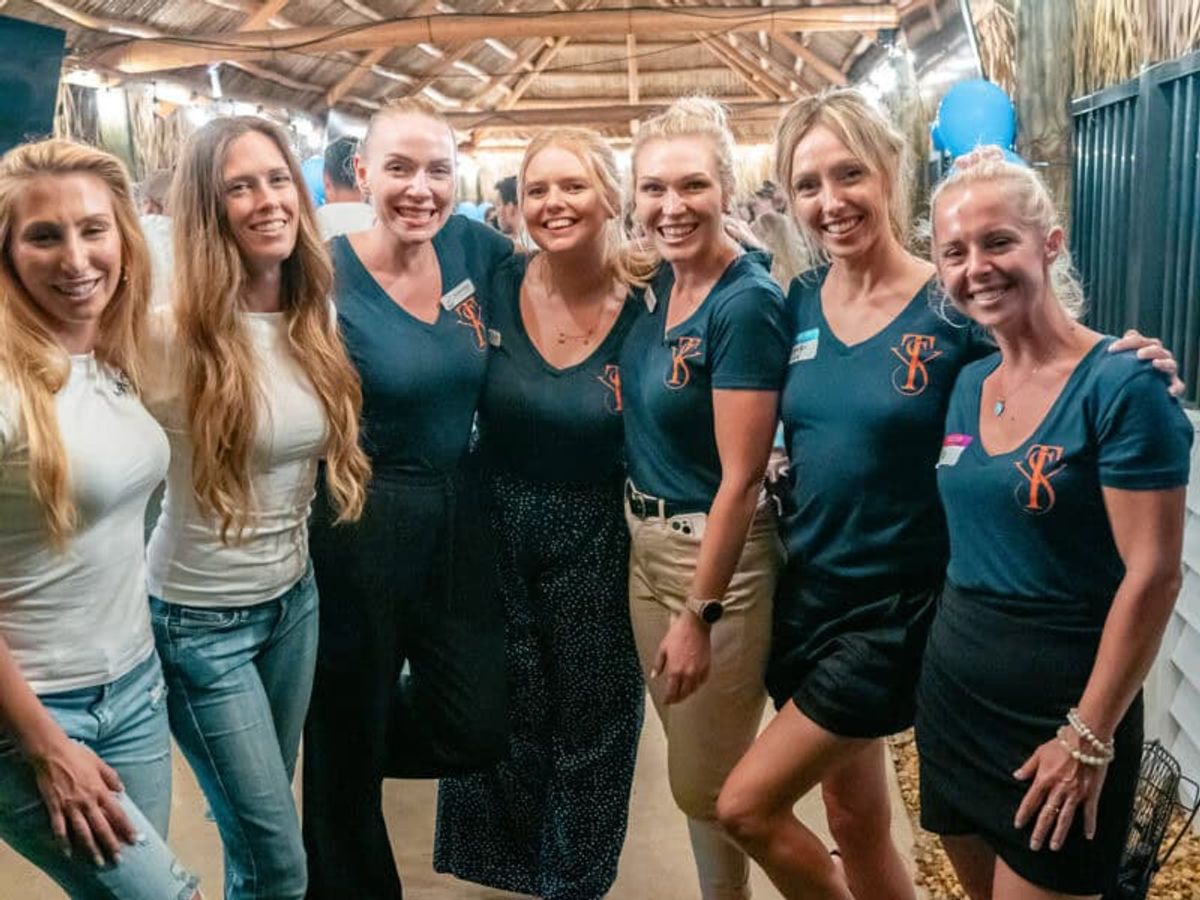
My biggest accomplishment is seeing the team we have now. I have never worked with such a creative and kind group of women, and it’s incredible to see how much they care, and that’s amazing. If you’d asked me a few years ago, I would have a long list of specific goals, but now, our team is always at the core of what we do. In the Academy, our goal is to support crew however we can in their career development; even if we don’t offer the course they need, we put them in touch with other providers and create training plans for them. Many of our courses are now also GUEST accredited, which was huge for us as you have to meet a long list of requirements. We have also recently been endorsed by the Institute of Hospitality in the UK and are now a fully accredited school. On the recruitment side, I have loved watching it go from just placing stews to us now placing all departments. Things are always so busy for us that I never have much chance to step back and acknowledge how far the brand has come, but I am particularly proud of our new membership we recently launched – it took a lot of work to get it off the ground. I am so happy with it, it will be such a valuable resource for stews.
What’s next for The Yacht Stew?
So much, we always have lots in the pipeline! In a few years’ time on the Academy side, we will have launched our on-board training and have a shoreside facility. We have also had an influx of captains and HODs come to us with newly put-together teams at the start of the season, where we tailor our online courses to their specific guest preferences, so I think we will see a lot more of this type of bespoke training. We also want to continue to grow the membership; we take student requests, so we are adding more each month and bringing in a range of industry experts. I never have number goals, but seeing how many have joined our membership already is so humbling. With recruitment, the goal is to continue to grow, but I still want to offer the best service, and I want everyone to have the same experience and not just feel like a number.
@theyachtstew
https://www.linkedin.com/in/gemma-hulbert/
Offboarding is a Triton series that highlights the many ways crew use their yachting experiences to build new careers ashore. Got a story to share? Let us know at crew@tritonnews.com