
Seahub tackles yachting’s planned maintenance needs.
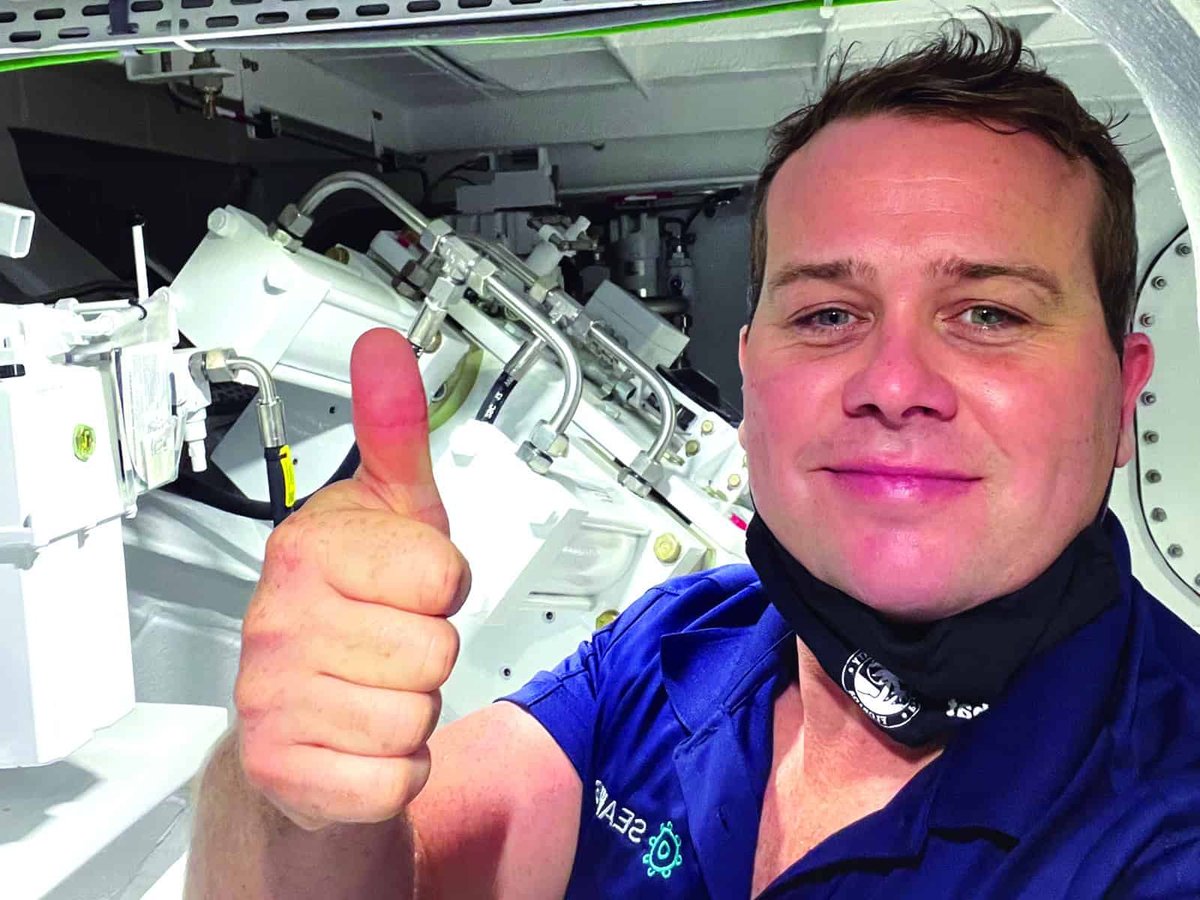
One conversation can change your life. Sam Wheaton, now the commercial director of Seahub, is proof of that. Wheaton shared how a chance encounter with a charismatic yacht captain while working at a Colorado ski shop sparked his interest in the yachting world. He eventually transitioned from IT to a career at sea before cofounding Seahub, a planned maintenance system for the marine industry, alongside his long-time friend and fellow engineer Matt Hyde in 2016. Triton spoke to Wheaton about his yachting journey and the creation of Seahub.
How and when did you get into yachting?
I took a year off after university and worked in a ski shop in Colorado fitting skis. I met a captain there who introduced me to the industry — he explained a lot about how it worked, what positions were available, and what was involved in becoming crew. I thought it sounded like the best job on the planet. Following that year, I returned to Australia and worked a handful of years for an IT company, but the idea of working within the yachting industry stayed with me and was something I wanted to pursue. I ended up doing so in 2010.
What is Seahub?
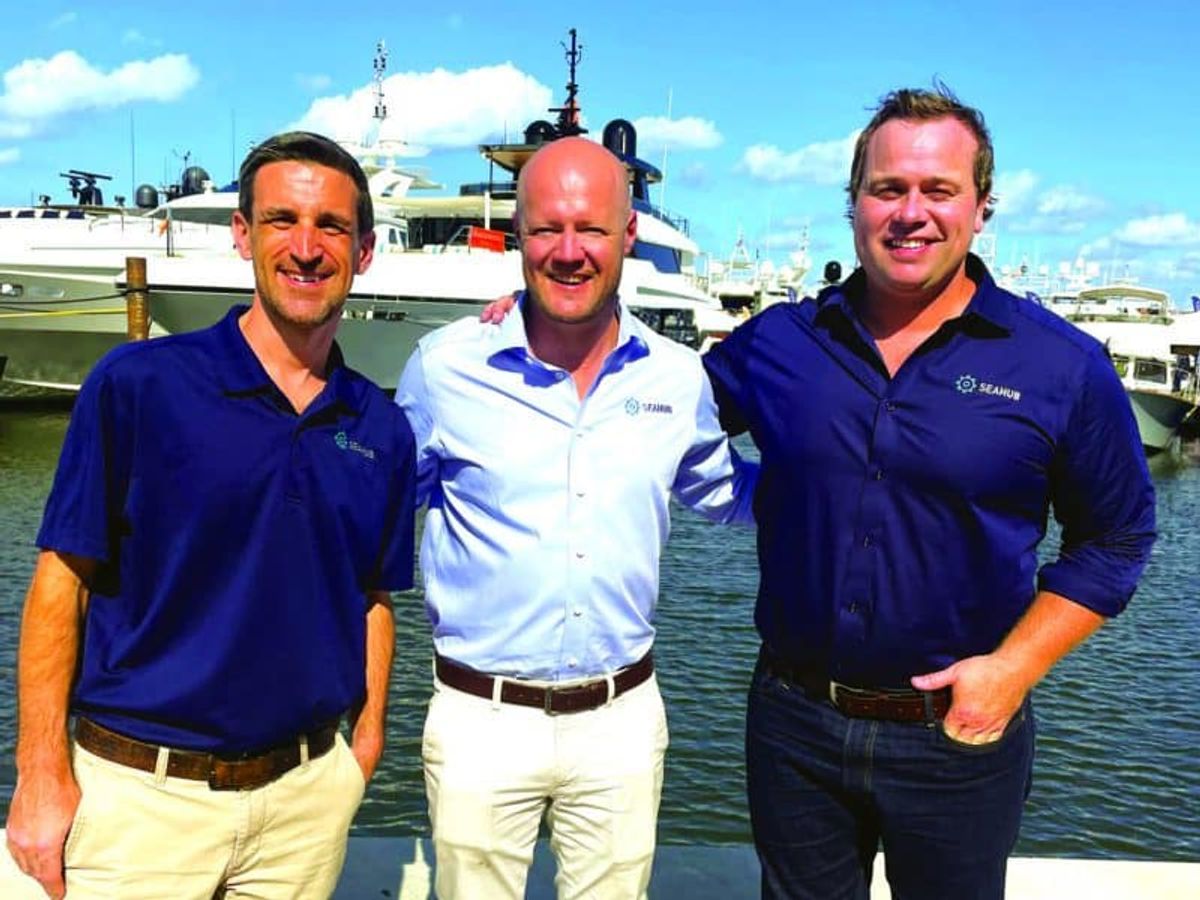
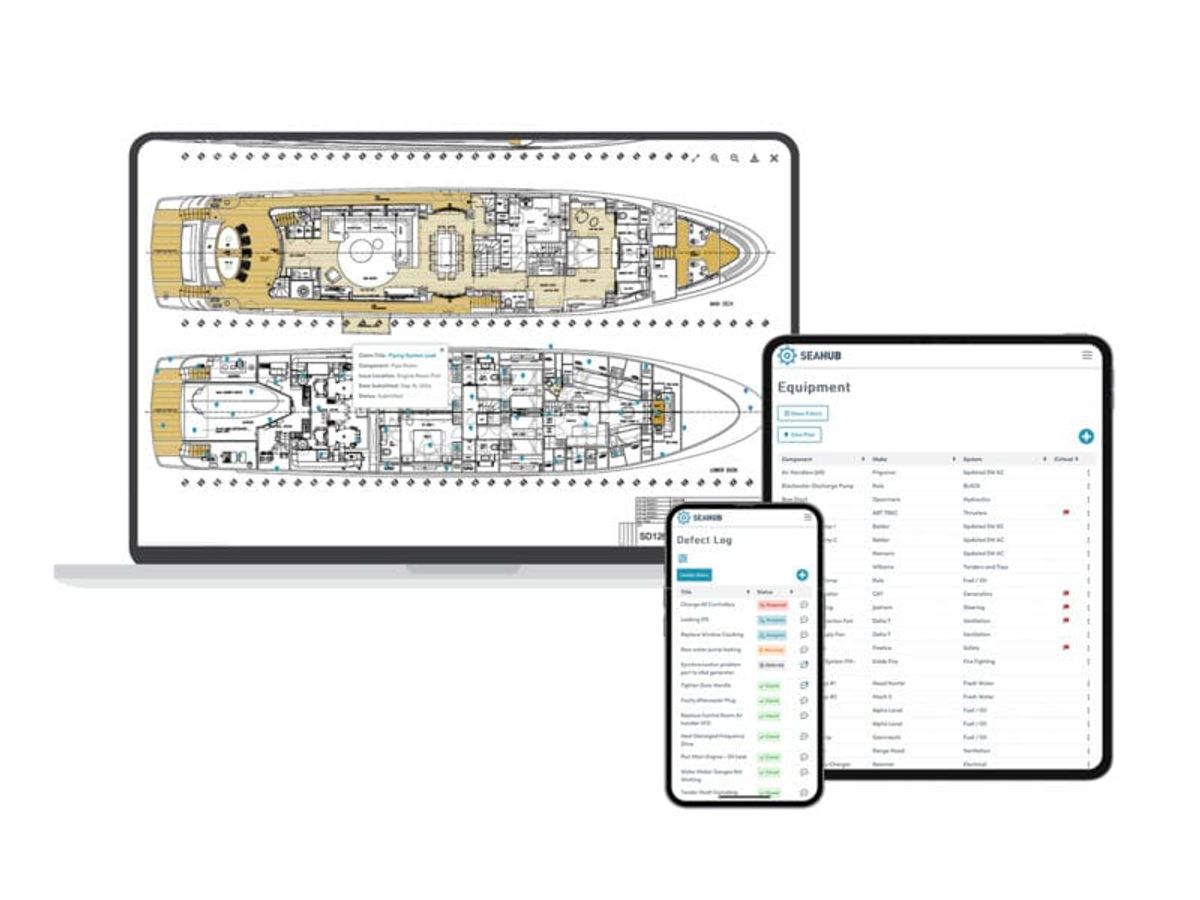
I co-founded Seahub alongside another long-term engineer, Matt Hyde. We provide a planned maintenance system for engineers and heads of departments to manage their day-to-day operations on board. It’s a framework fr managing all maintenance activities, from 250-hour oil changes on a generator to managing work lists and routine checklists to ensure a boat runs smoothly. For captains, deck, and interior departments, it allows you to manage drills, ISM and SMS, inventory, crew licenses and certificates, and generally digitize all recordkeeping. It’s a way to keep important vessel-related information with the boat.
Was it challenging moving ashore?
It was challenging until I had a clear plan about what I wanted to do next. The uncertainty made it harder. Working on board is an incredible occupation, and the lifestyle is fast-moving, which means there’s always another job posting that could suit you or another position that sounds right up your alley, but it was only when I had a solid plan about what I was doing next that I was able to see past the engineering position posts and focus on what we were setting out to do. We came up with the concept of Seahub while we were still working as engineers. Once we had a roadmap of what the system would do and how we wanted to build it, the decision was made that we were going to go full-time, land-based, and pursue it.
How did you start Seahub?
For a period of time, Matt and I were both working on programs that put us in and out of the U.S. from October to March each year. Over a few years, we would get together on weekends, often with crew from other boats. We would find ourselves sitting at a table of engineers discussing what we’d been working on that week or the latest dirty job we had to do. Inevitably, the topic of planned maintenance systems would come up because a lot of us had the responsibility of managing those systems on board as part of our positions. It became clear to us that there was a gap in the market in accessing a system that felt modern, that you could understand quickly, and use with ease on a daily basis. So that was really the catalyst for coming up with the concept — meeting with our mates and chatting about our jobs.
What Seahub features should appeal to crew?
The transparency Seahub provides has a lot of upside for the crew. Having a digital history of the maintenance that has been done, or setting up checklists so crewmembers can have set procedures they routinely follow, or having a tool for managing the certificates of your safety and fire equipment — these are all things that make boats run smoother.
Crew today can be anyone from a 19-year-old, fresh out of high school, to a 50-year-old ex-Navy officer. You’ve got to have a system that you can pick up, understand, and join the dots quickly on. That’s always been at the forefront of what Seahub is about.
What has been your biggest challenge in creating Seahub?
One of the major challenges initially was understanding where the best place was to invest to get the biggest bang for our buck. We laugh now about it, but at our first boat show we exhibited, we printed off hundreds of A4 folders with brochures that detailed the functionality of Seahub. And at the time, it was a significant financial outlay for us. We got to the show, and we had a great big stand; everything was going well, but all people wanted to do was stand there and chat about the system rather than flick through folders and paper. So we hung on to them for a while, but I think we turned them into garden mulch a few years ago. It was a lesson we learned early, which has shaped how we approach boat shows ever since.
How did your yachting connections and experience help with building Seahub?
Matt and I were really fortunate to have a great network of colleagues that we worked alongside for years prior. So when it came to building the proof of concept and engaging feedback, we had dozens of people we were sending prototypes and demos to to hear what they thought, what they liked, and what else they wanted. That meant when we went to market with the first version of Seahub, we had been through multiple rounds of user acceptance testing, and the system was in really good shape and had a lot of the functionality people wanted. So that put us in a much better position than if we had just built the system between us, launched it, and engaged feedback after. The connections and the experiences we had were a huge help.
What is your advice for crew looking to build a business?
Once you have come up with your business idea, the sooner you can fully commit to executing it, the sooner you’ll understand its viability. The yachting industry, as a whole, is full of opportunities. Find something you are passionate about and will be happy to live and breathe until it gets off the ground. Following that, celebrating the little wins. It could be reaching a milestone, signing your first client or your first sale, or employing your first person. Celebrate them because it creates a sense of progress for everyone involved. It’s easy to get tunnel vision early on and miss some of the things worth celebrating.
What’s next for Seahub?
We have a new set of features coming online in the next major update [in November] aimed at the new-build market. It’s a really handy tool for managing work lists and allows for communication between crew, shipyards, and other stakeholders involved in commissioning a new build. We have had two large shipyards behind its design and development, which has been a fun process.
Following that, we’re exhibiting at METS in November to launch the new product and meet with a lot of people who helped design it. We’re also announcing the winner of the 2024 Seahub Engineering Grant [soon]. Hill Maritime Group joined us this year and has essentially doubled the value of the grant, so it’ll be the largest that we’ve offered so far. We have heard the stories of a lot of great candidates this year, so we are looking forward to announcing the winners.