
From artificial intelligence-driven tools to hydrogen propulsion, new tech arrives faster than most crew can test them. Across the industry, the same rule keeps surfacing: the technology that lasts is the tech that saves time, reduces workload, increases safety, or cuts costs. The rest often fades as quickly as it appeared.
To understand what’s actually earning staying power, we spoke with Capt. Ronny Roskosch, who has 30 years of command experience, and Liberty Nogueira, former bosun aboard the 55-meter M/Y Gene Machine and founder of OnDeck. Their perspectives reflect where the industry is headed, and where it’s pumping the breaks.
From Trend to Essential
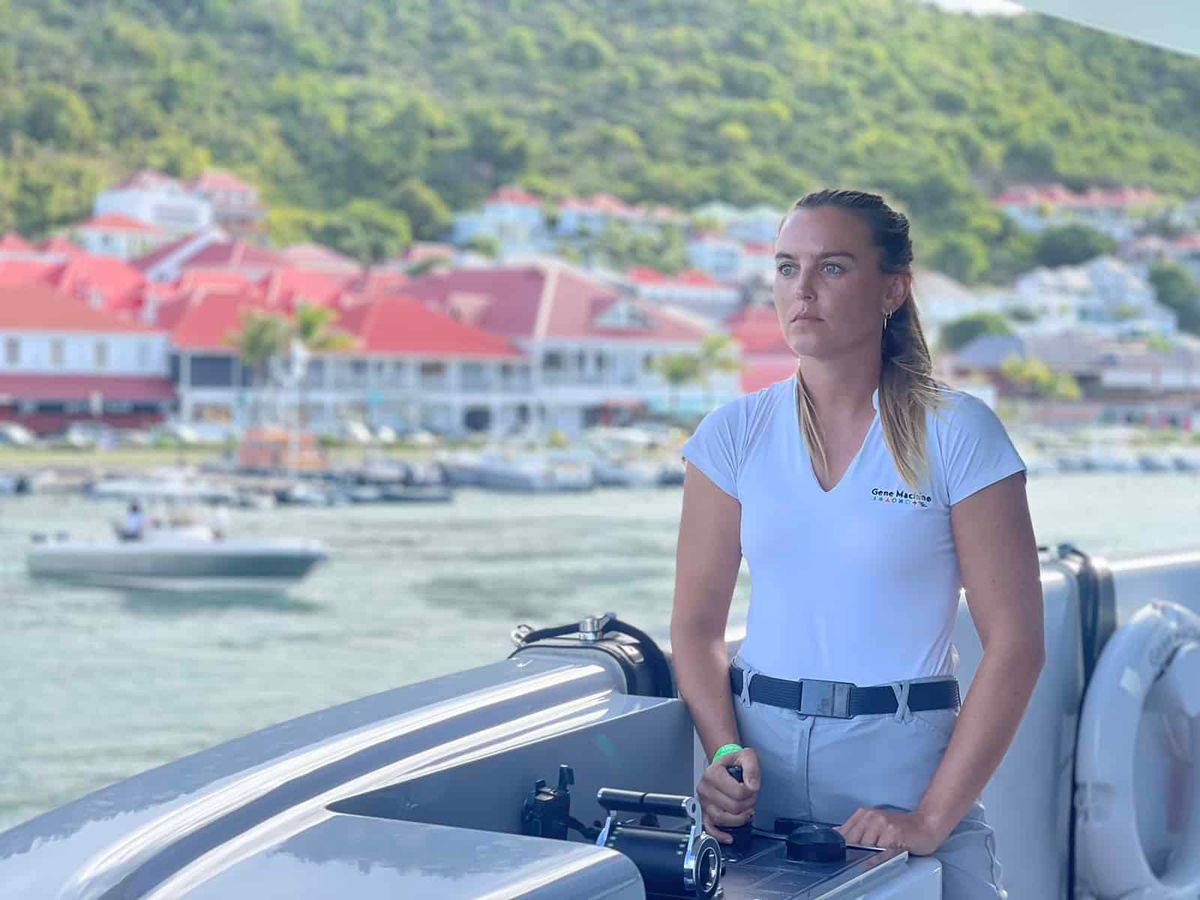
“Time is money for guests, so anything that saves them time is a win and if it also saves the crew time, even better,” Nogueira said.
Precision tenders: The rise of Inboard Propulsion Systems (IPS) in high-end tenders began as a flashy add-on — but joystick-controlled pods are now widely expected.
Nogueira recalls using an IPS-driven Fjord 42. “We could easily pull up stern-to pretty much anywhere. Guests could step from the stern ashore really easily, it made a massive difference.”
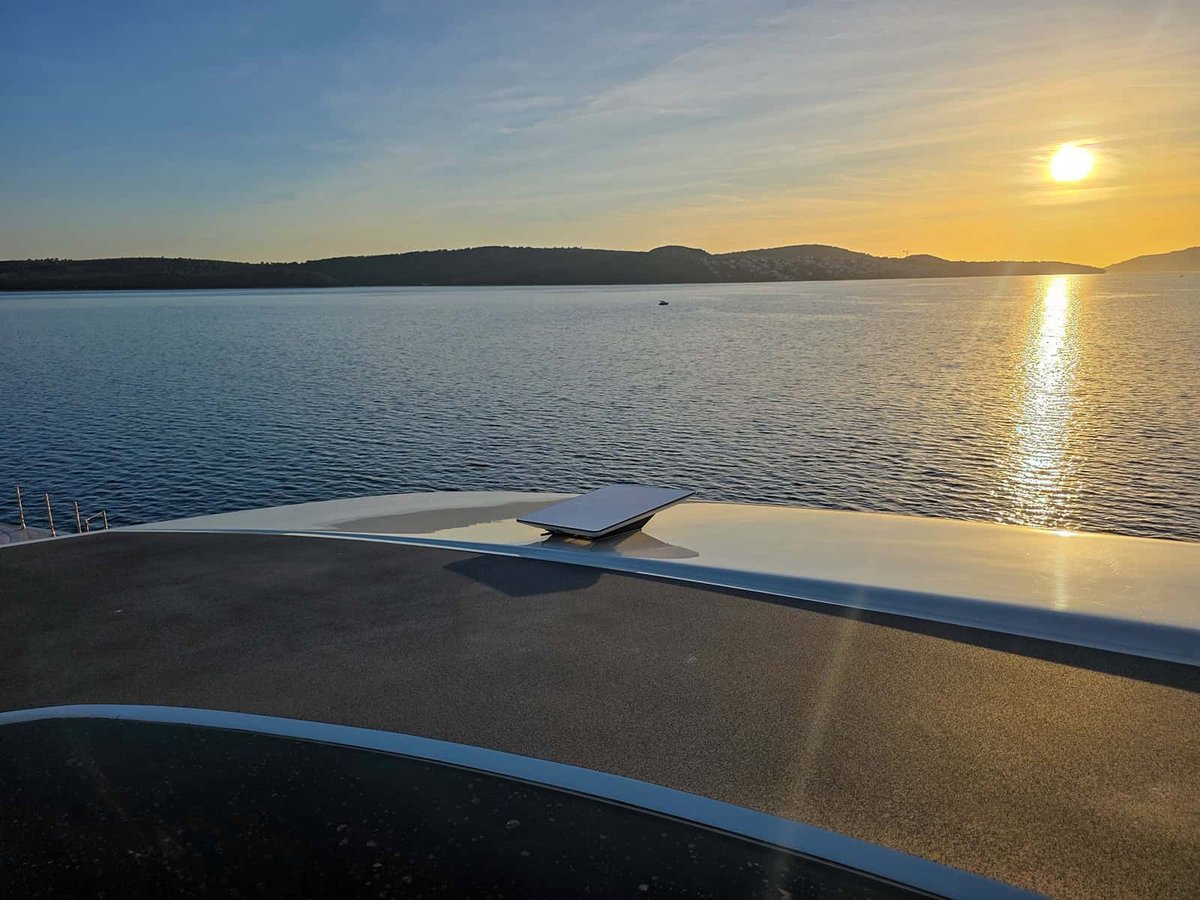
Connectivity: Starlink brought near-broadband speeds to remote anchorages, replacing the frustrations of traditional VSAT. “Starlink has transformed life on board for both crew and guests,” Nogueria said. “That kind of tech isn’t going anywhere.”
Digital maintenance systems and energy management software fall into the same category. They reduce generator hours, flag service intervals, and shave fuel consumption — benefits every yacht feels.
However, not everything should go digital, says Roskosch. While he embraces digital systems, it comes with a cost when overly dependent on them. Older vessels with mechanical gauges and physical switches can often be repaired at sea while newer yachts reliant on stacked software systems often can’t. If one layer goes down, suddenly half the boat is offline. Technology should enhance foundations, not replace them entirely.
Where Flash Fails
Some innovations generate buzz but stall once they meet the realities of yacht operations.
AI crew assistants: AI-driven service tools look impressive on paper — but yachting is built on human intuition that’s difficult to automate. “They sound impressive, but they’re nowhere near replacing experience or intuition. In my opinion, they’re too unreliable without human oversight,” Nogueira said.
Wearable crew tech: From biometric devices to smart badges and location trackers, wearables promise streamlined operations, but rarely earn a place on board.
“Realistically it’s just another thing for crew to buy into and charge — getting the crew to charge their radios is hard enough,” Nogueira said.
Safety Tech That’s Changing the Game
Other technologies, however, are reshaping navigation and night operations.
Infrared Object-Detection Systems: Roskosch highlights infrared surveillance systems, now adapted from military use. Unlike radar or human eyesight, they continuously scan for floating hazards — including shipping containers invisible in darkness.
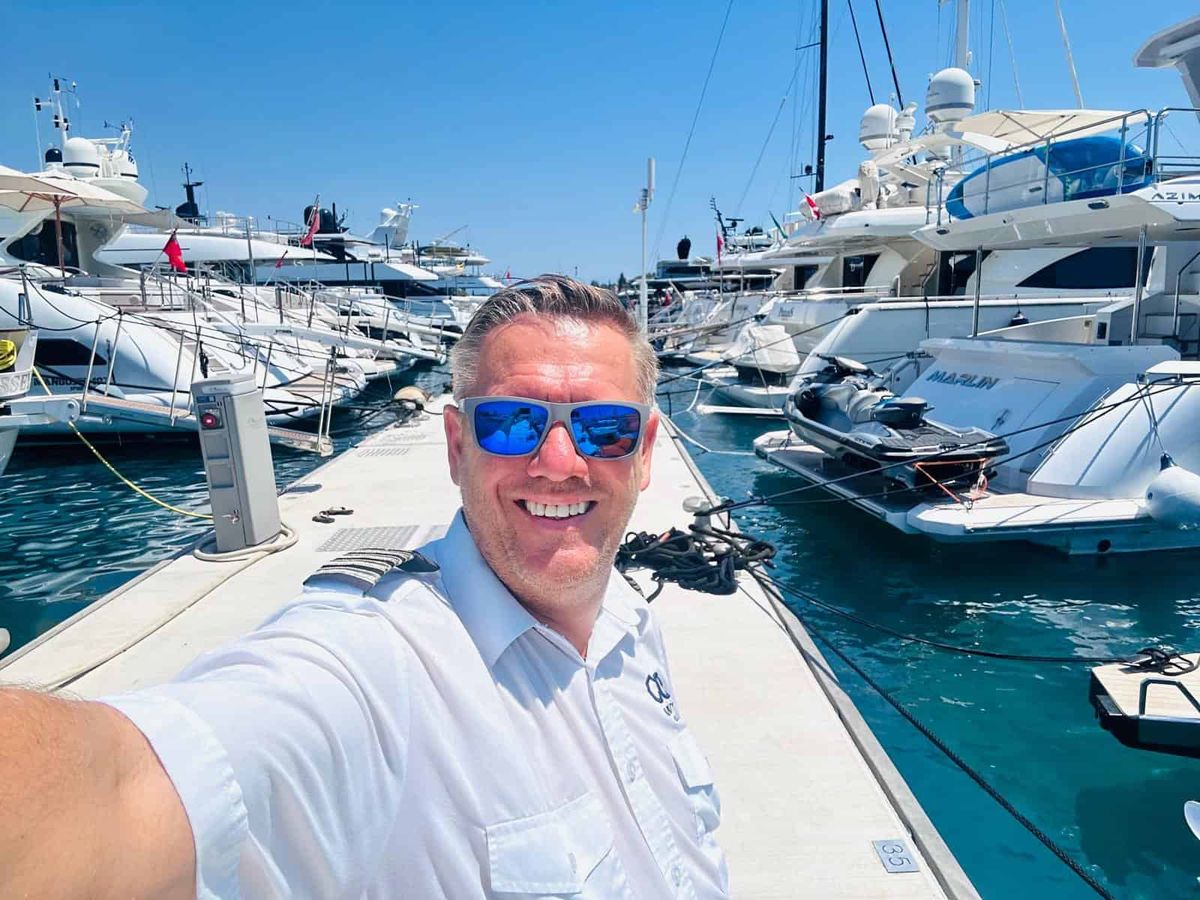
“If you have watch on board and there’s no moon at all, you can’t even see the horizon,” Roskosch said. “It’s basically a time bomb.”
Some systems now integrate with autopilot, automatically adjusting course if the watch crew fails to respond in time.
Tender Monitoring Systems: Tenders are frequently towed — and frequently lost.
In the Med this year alone, Roskosch says almost 200 tenders were lost due to lines breaking, tenders taking on water, and more. Modern monitoring systems can track tow distance, bilge levels, and movement, triggering alarms before a problem becomes a loss.
Sustainability: From Buzzword to Blueprint
“Hybrid propulsion and alternative fuels are becoming the new normal,” Nogueira said. “Savannah set the tone in 2015 as the first proper hybrid superyacht,” she said, adding that this year, another Feadship, Leviathan, brings diesel-electric systems, waste-heat recovery, and even new deck materials after the crew pushed to ditch teak.
Project 821, now Breakthrough, became the first hydrogen-powered superyacht for hotel loads in 2024. Meanwhile, Lürssen spent a decade developing its methanol-to-hydrogen fuel-cell program, culminating in a yacht capable of 1,000 nautical miles on fuel cells alone and 15 days at anchor with zero emissions.
The Reality Owners Don’t Always Want to Hear
For all the engineering progress, Roskosch says the biggest hurdle is often budgets. “Yachts are money-destructing machines and you permanently have conflicts,” he laughs. Owners cut corners, run outdated systems, or operate with tech that manufacturers no longer make. “You can’t even get spare parts anymore!”
Still, he’s optimistic: “We should always find a way to use it in our favor and for our safety.”
The Verdict
If a technology improves crew workflow, reduces risk, or enhances guest experience, it tends to stick. The rest, from wearables to gimmicky AI, tends to disappear. As Nogueira puts it: “If it creates more work than it saves, then I think it’s just a fad, not an upgrade.”
In the end, the tech with true staying power is the quiet one — the systems that save minutes, kilowatts, fuel, headaches, and sometimes even lives.