
Luxury service works best when it feels invisible. Four chief stewardesses break down subtle mistakes that can quietly undermine service — and how green crew can elevate their professionalism faster. They agree most early missteps aren’t about obvious mistakes, but cues guests and senior crew notice first.
Making the Service Audible
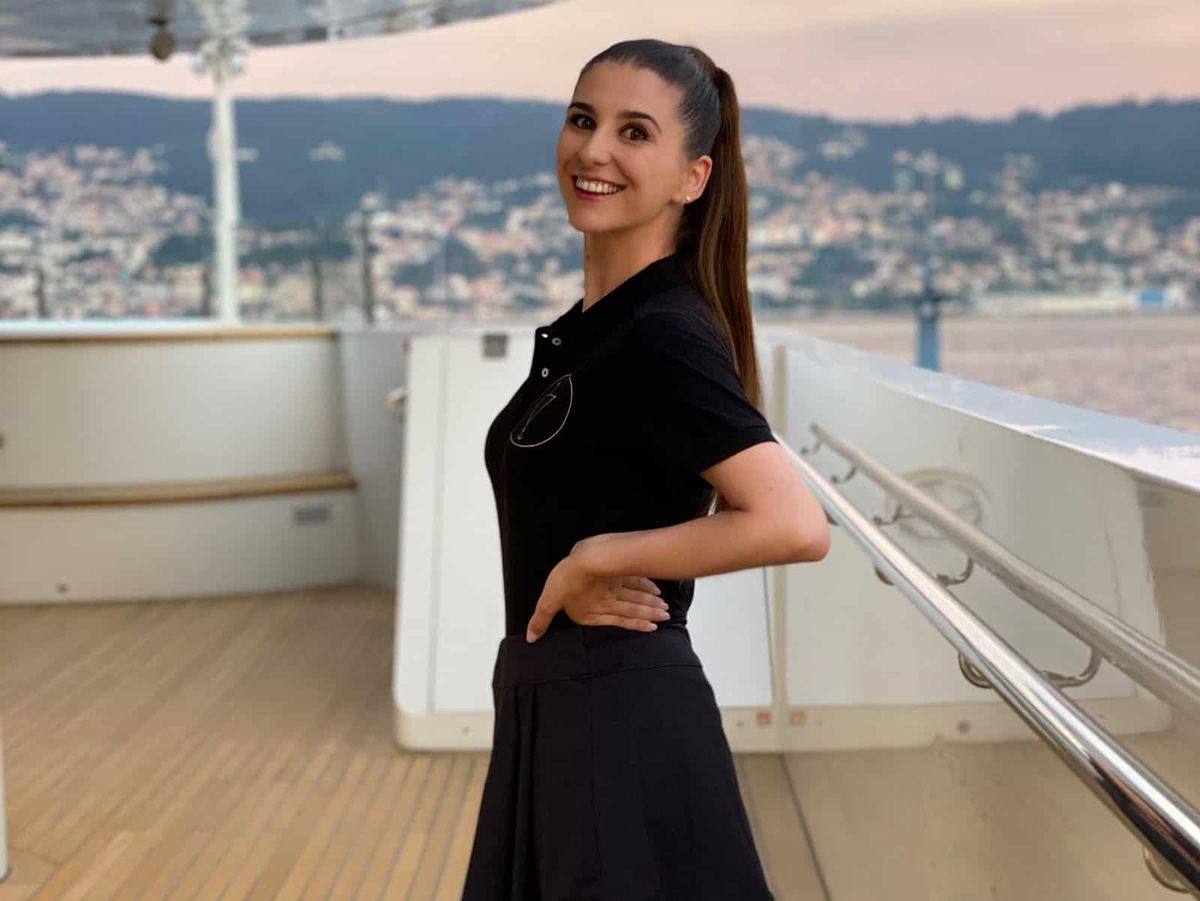
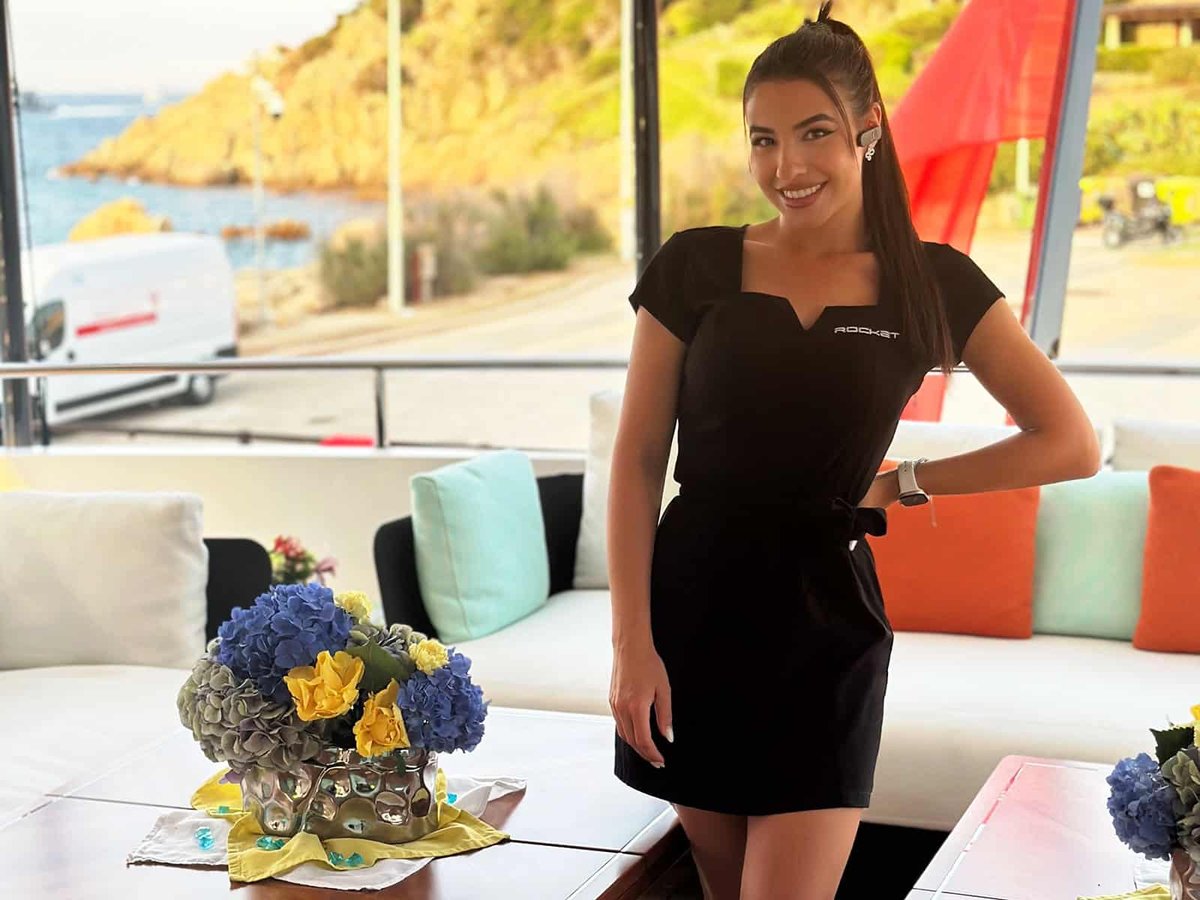
“One of the biggest tells is over-announcing themselves,” said Chief Stewardess Magdalena Nenadovic, currently aboard the 49-meter M/Y Rocket. Apologizing unnecessarily or narrating every action, she explains, draws attention to the mechanics instead of letting service feel seamless.
“Experienced crew move with quiet confidence — they anticipate, act, and step back without narrating the moment. Guests don’t want to feel serviced; they want to feel effortlessly looked after,” Nenadovic said, who has been in the yachting industry for seven years, four as a chief stew.
Overlooking Composure and Body Language
Former Chief Stewardess Jamila García, who spent 11 years in the industry before founding Starfish Super Yachts, says composure is as important as execution. “Never let the guests see you running or looking in a rush.”
“Before every single breakfast, lunch, and dinner service I ever performed, I would take 10 minutes to ensure my uniform was clean, my hair and makeup looked fresh, and I composed myself,” García said.
Body language also communicates volumes. “Guests read energy before they register actions,” Nenadovic said. “Standing with crossed arms, hovering too close, rushing movements, or avoiding eye contact can make service feel tense or intrusive, even if everything is done perfectly.”
Chief Stewardess Nicole Rouse agrees that small non-verbal cues help put guests at ease. “When doing my walkarounds, I crack a slight smile with my eyes, just so I don’t look miserable, and I can be approached if anyone needs to,” she said.
Serving the Checklist Instead of the Guest
There’s an over reliance on checklists as a common signal of inexperience.
“One of the most common things I see with junior stews is that they tend to be very task-driven rather than guest-driven,” García said. Service may be technically correct, but there’s often hesitation in anticipating what’s needed next — waiting to be asked for refills or clearing plates without considering the pace of the meal.
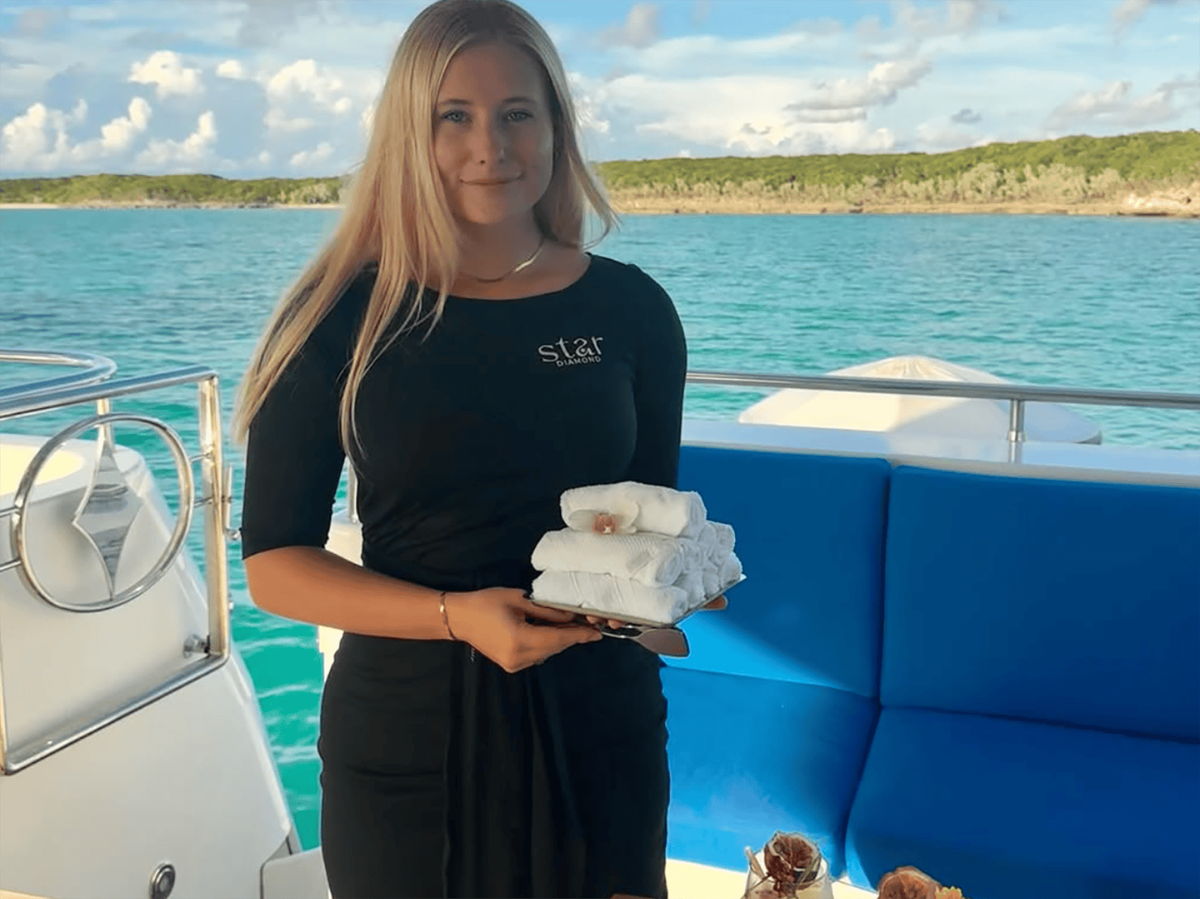
“Checklists are a starting point,” said Chief Stewardess Kendall Shafer, who has been in the industry eight years, four as a chief stew. “As stews, we love our lists, but they aren’t always plug and play for every scenario.” In yachting, crew must think critically and adapt in real time.
For Rouse, observing how quickly guests eat, spacing courses appropriately, and maintaining constant communication with the chef helps avoid awkward pauses. “There’s nothing worse than sitting around a table in between courses that feels like forever,” she said.
Holding Back
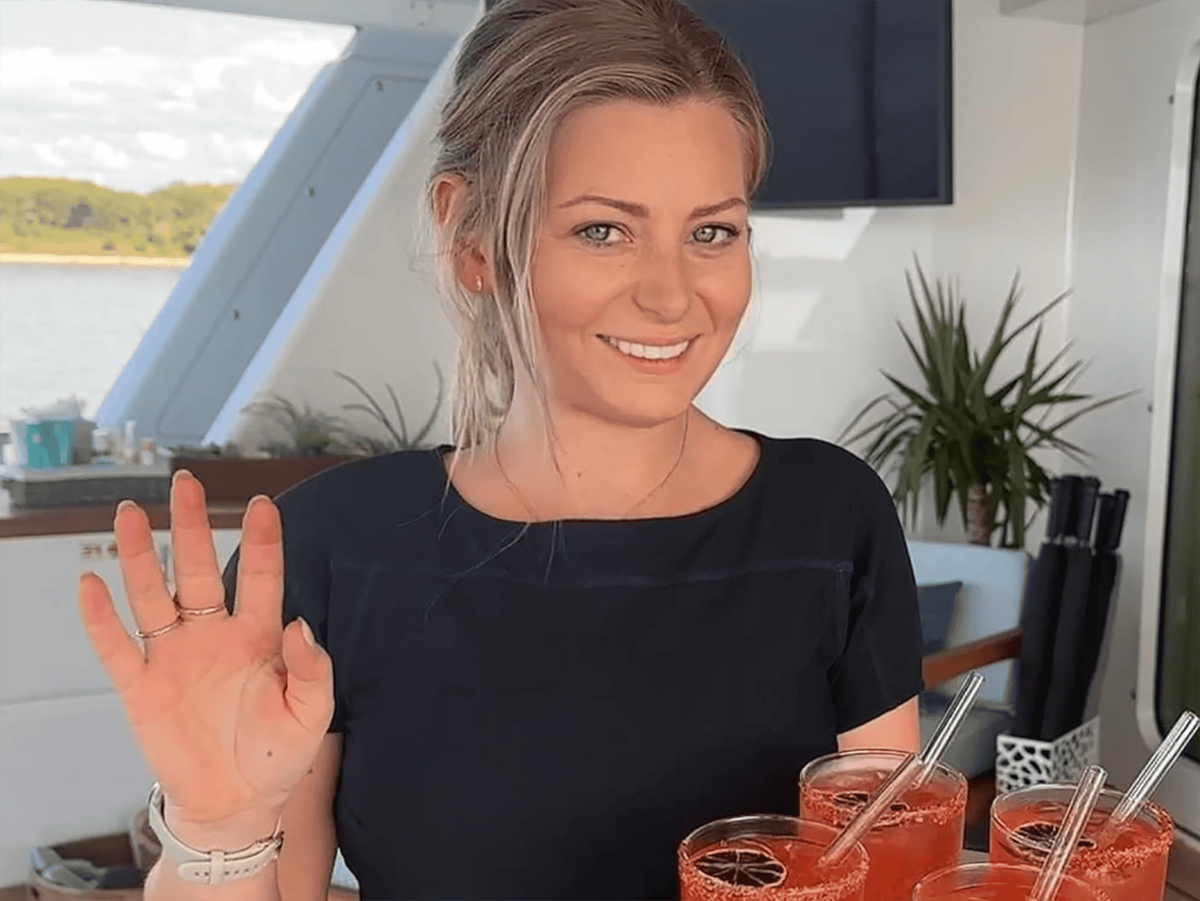
García says holding back was her biggest early mistake. She recalls waiting to be asked before taking initiative, worried she might appear overconfident. “I wish I had had the confidence to take initiative and just perform the task without being asked,” she said — something she later realized was exactly what her manager valued most.
No matter how polished your service looks, burnout undermines it fast. “Early on, I thought being indispensable meant saying ‘yes’ to everything and pushing myself constantly,” Nenadovic said. Over time, she realized true professionalism isn’t about doing more — it’s about managing energy, setting standards, and trusting the team.