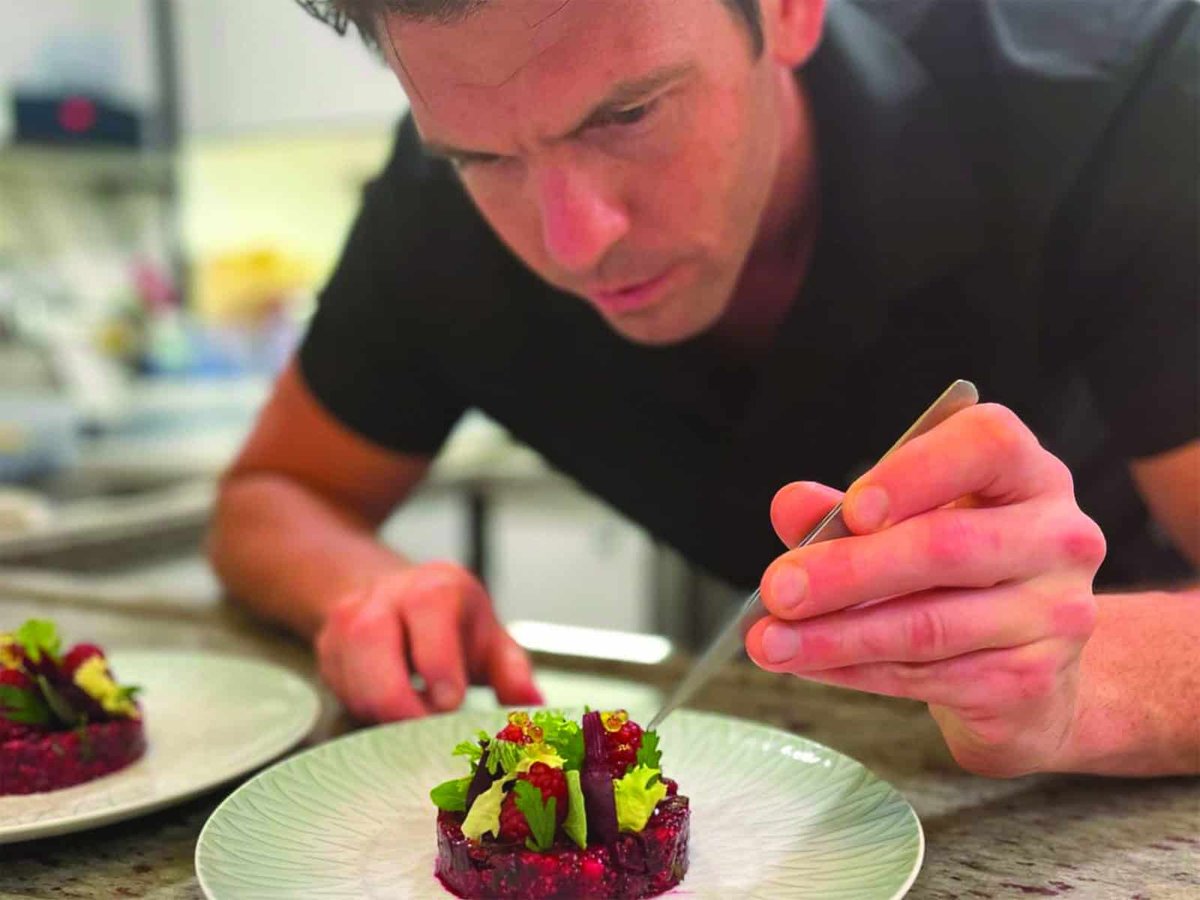

At first glance, the role of a yacht chef carries unmistakable allure. Private galleys, foreign destinations, and guests accustomed to the highest standards suggest a culinary ideal. Yet, behind the polished plates and sun-drenched decks is one of the most demanding environments in professional cooking. Here, meticulousness is mandatory, pressure is constant, and performance leaves no room for error.
Unlike land-based fine dining, yacht chefs operate without a safety net. There is no brigade to lean on, no trusted purveyor a phone call away, and no margin for delay. As veteran Yacht Chef Danny Davies, whose career spans military service, royal appointments, and some of the world’s largest yachts, puts it: “You’re only as good as your last meal. And even if everything’s going well, your job is never truly secure.”
That instability is a reality few outside the industry see. Contracts can end overnight for reasons unrelated to performance. Budgets shift, programs change, and onboard circumstances shift. For many chefs, adaptability matters more than pedigree.
“People assume you need a Michelin résumé,” Davies said. “But what you really need is the ability to cook anything, anywhere, with whatever you can get your hands on.”
A Career Built Under Pressure
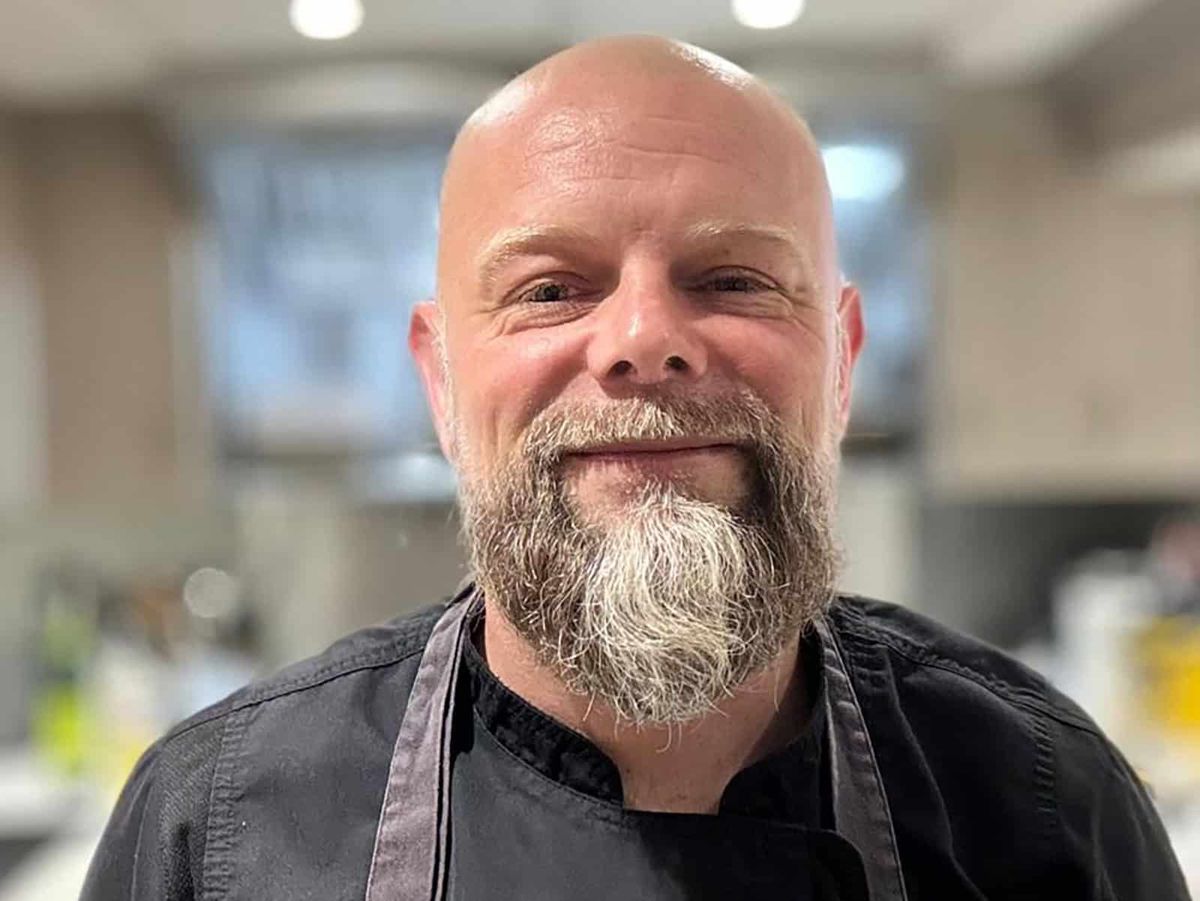
Executive Yacht Chef Christoph Siebentritt did not pursue yachting for its glamour. Previously, he was executive chef for Crystal Cruises in the six-star market. When COVID-19 halted the cruise industry, he transitioned to yachting.
“A former colleague suggested yachting,” he said. “After roughly 150 applications, I landed a position on a 125-meter megayacht. It wasn’t glamorous. It was a conscious decision to perform under extreme conditions.”
He performed, sometimes for up to 19 hours a day. “Our world is heat, pressure, and constant time constraints,” Siebentritt said. “If you’re not cooking, you’re planning orders, calculating menus, or cleaning fridges. Anyone who thinks this job is about sunsets and leisure has never run a yacht galley alone.”
Provisioning Under Pressure
Provisioning is the harshest test. For Davies, remote ports and inconsistent deliveries mean menus must stay flexible. “You can promise a beautiful menu and then arrive somewhere without basic ingredients,” he said.
Once at sea, mistakes cannot be corrected. Siebentritt approaches provisioning with discipline. “Ordering too much blows the budget. Ordering too little jeopardizes the operation,” he said. “In remote locations, there are no second chances. Either you’re prepared or you pay 20 times the market price.”
His solution is efficient mise-en-place and solid menu foundations. “Highly concentrated sauces and bases mean I can pivot dishes quickly. On a yacht, time is the most limited resource. Every second counts.”
Holding the Line
For Chef Marissa Gallagher, who transitioned into the galley after years in yacht service, success comes down to composure. “If you’re not freaking out, the guests aren’t freaking out,” she said. “Everything changes at the last minute, preference sheets, dietary restrictions, and guest counts, and you still have to deliver calm, confident service.”
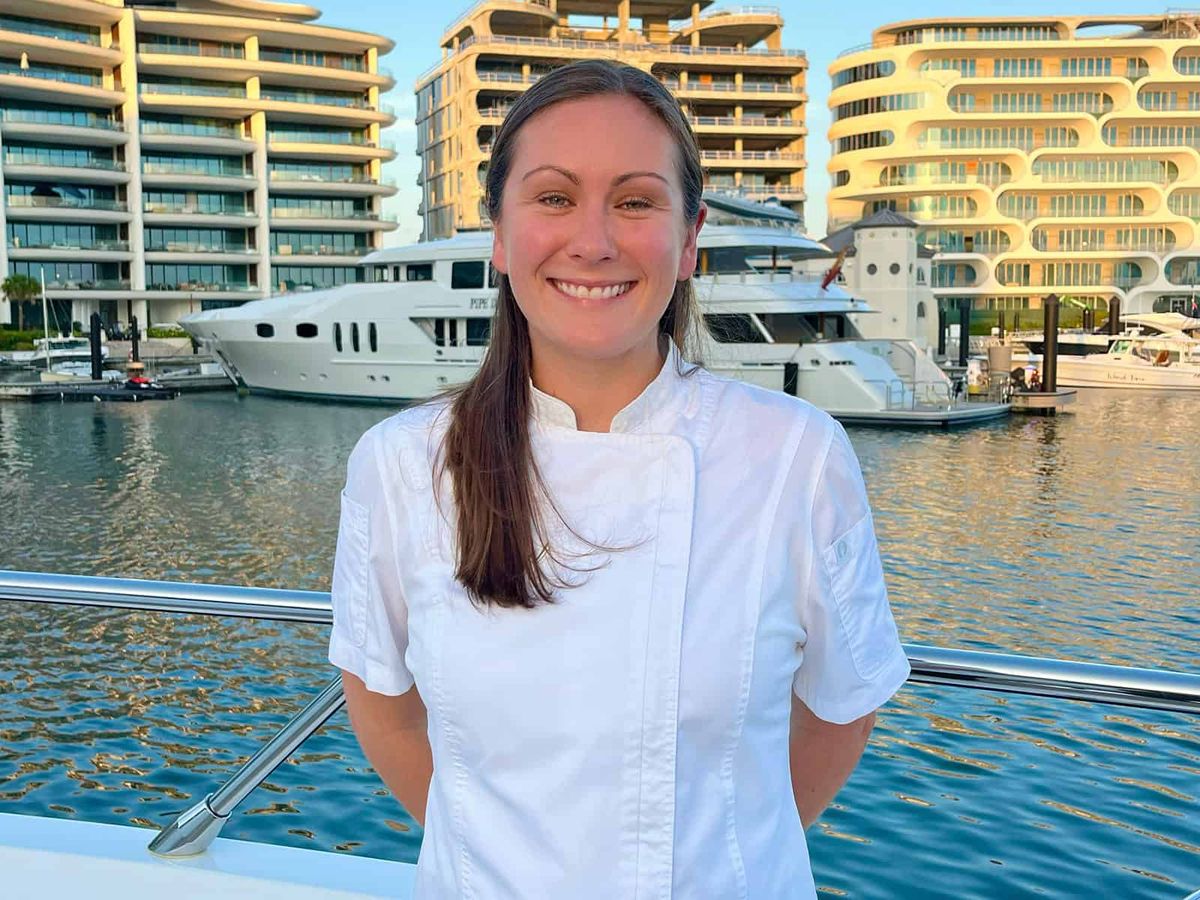
She calls it culinary misdirection. “You elevate what you have, describe it well, and keep the energy steady. The guests don’t need to know what didn’t go according to plan.”
Unlike restaurant kitchens, yacht galleys never fully shut down. “You don’t really turn your brain off,” Gallagher said. “You’re always thinking ahead, what needs prep, what might change, what could go wrong.”
The Moments That Matter
Despite the unwavering tempo, there are moments of reward. Gallagher recalls the quiet satisfaction of guests appreciating a dish they would never know was improvised. “When they love the food, it feels like proof,” she said.
For Davies, meaning is simple. “It’s about creating connections. Sometimes it’s a birthday cake made in secret. Sometimes it’s service executed beautifully.”
Siebentritt remembers a provisioning run aboard a Saudi royal yacht, traveling by tender at night beneath a sky full of stars. “In an industry defined by pressure, that moment of calm is something I’ll never forget,” he said.
What it Takes to Last
All three chefs agree: longevity demands more than skill. “You must already be technically strong before you arrive,” Siebentritt said. “On a yacht, you’re not trained. You’re measured. If you don’t deliver, you’re replaced.”
Gallagher adds, “You have to check your ego. It’s not your boat. It’s the guests’ boat.”
And Davies sums it up: “Cook anything. Stay humble. Stay ready.”
Yacht chefs perform at an elite level under relentless constraints, amid surroundings where superior performance is required, and invisibility is part of the job. It is not glamorous work, but for those who thrive under pressure, the yacht galley remains one of the most demanding and rewarding culinary stages in the world.