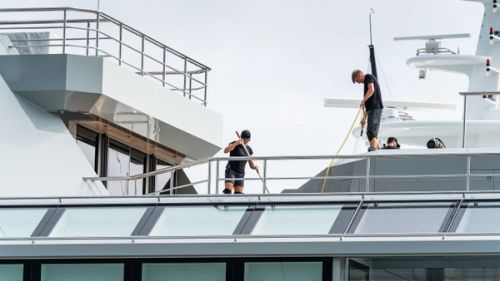

From the outside, many yachts appear to deliver a flawless experience. Tables are beautifully set, cabins are immaculate, and service looks seamless. Yet owners and guests often sense a subtle disconnect. Not because something is overtly wrong, but because consistency is missing. Small details vary, communication feels uneven, and the crew appears to function in parallel rather than feeling genuinely connected to one another.
That disconnect almost always traces back to the same underlying problems: a lack of clear interior leadership, defined roles, and supporting structure.
Interior structure isn’t about hierarchy or rigidity. It’s about the systems that allow crew to operate with consistency through shared knowledge, training standards, and cross-department communication. When those foundations are missing, crew fall back on memory and assumptions rather than alignment, and guests feel the difference.
This is where the ripple effect begins.
Inconsistencies become apparent when everyday questions, from Wi-Fi and lighting to onboard technology or documented preferences, depend on tracking down the “right” crewmember, or when supplies run out because inventories weren’t clearly assigned or maintained. Individually these moments appear minor; collectively, they disrupt the sense of ease on board.
What’s often overlooked is how quickly these gaps place the burden on the guest. Guests subtly recalibrate their behavior, responding to the atmosphere on board rather than relaxing into it. At that point, the yacht feels conditional rather than intuitively supportive. This is where luxury quietly exits the equation.
Interior structure is what makes personalization possible. Without it, guests are managed as a group rather than cared for as individuals. Remembering the exact coffee they drink or how they prefer their space arranged — it’s in these small, personal details that guests feel seen and when preferences are overridden in favor of assumed etiquette, that feeling quietly disappears. Rather than addressing it, guests adapt, and the atmosphere on board changes in subtle but lasting ways.
In other cases, the consequences are more serious. There was a situation where a guest became trapped in a shower due to a faulty handle. An issue that should have been identified and addressed before the trip. With departments operating in silos, it took hours before anyone realized the guest was missing. These moments aren’t failures of care; they’re failures of structure, communication, and preventative oversight.
On yachts under 150 feet especially, where teams are lean, structure matters even more. Short staffing doesn’t mean standards must drop; it means priorities must be communicated. Understanding what matters most to guests allows service to unfold with intention rather than improvisation.
Dissatisfaction at this level is rarely voiced. Owners and guests don’t complain. They disengage, redirect their loyalty, and move on. Luxury isn’t defined by how something looks, but by how it’s felt. Precision, presence, and understanding linger long after the moment passes. Creating the peace of mind people invest in.
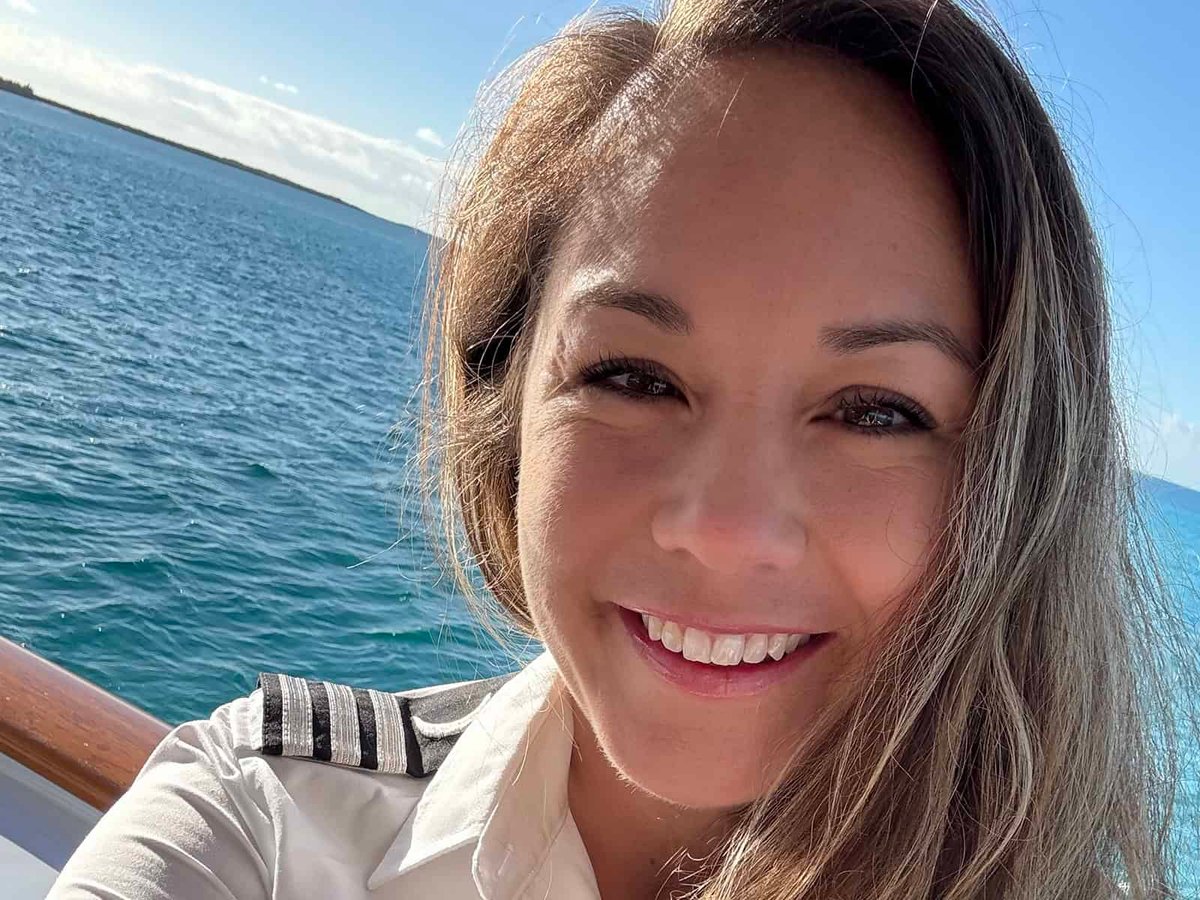
Lisa Gould is the founder of On Deck Yachting (ODY), an interior management company focused on bringing structure, clarity, and operational consistency to yacht interiors. With more than 20 years in the marine industry, Lisa offers an operational perspective shaped by experience across interior management, leadership, training, vessel operations, and cross-department systems. ondeck-yachting.com