
In an industry where ethics matter, innovative eco toys that deliver adrenaline and ocean access are the gold standard. Guests and conscious crew are looking for toys without heavy fuel burn, noise pollution, or plastic waste. The future of yachting activities includes solar battery-charged all-electric Jet Skis, biodegradable paddleboards, and battery-powered underwater gliders. These new marine recreation products bring both thrills and safety challenges.
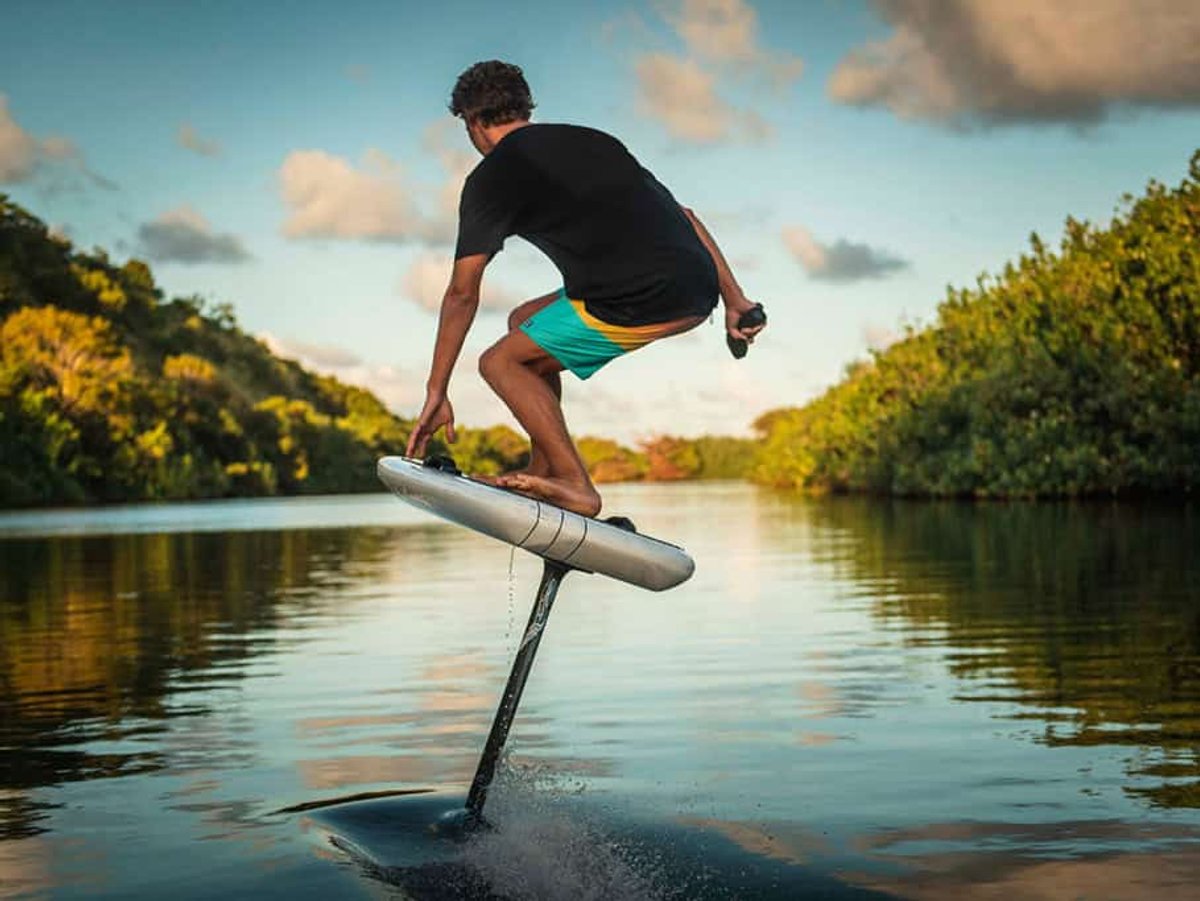
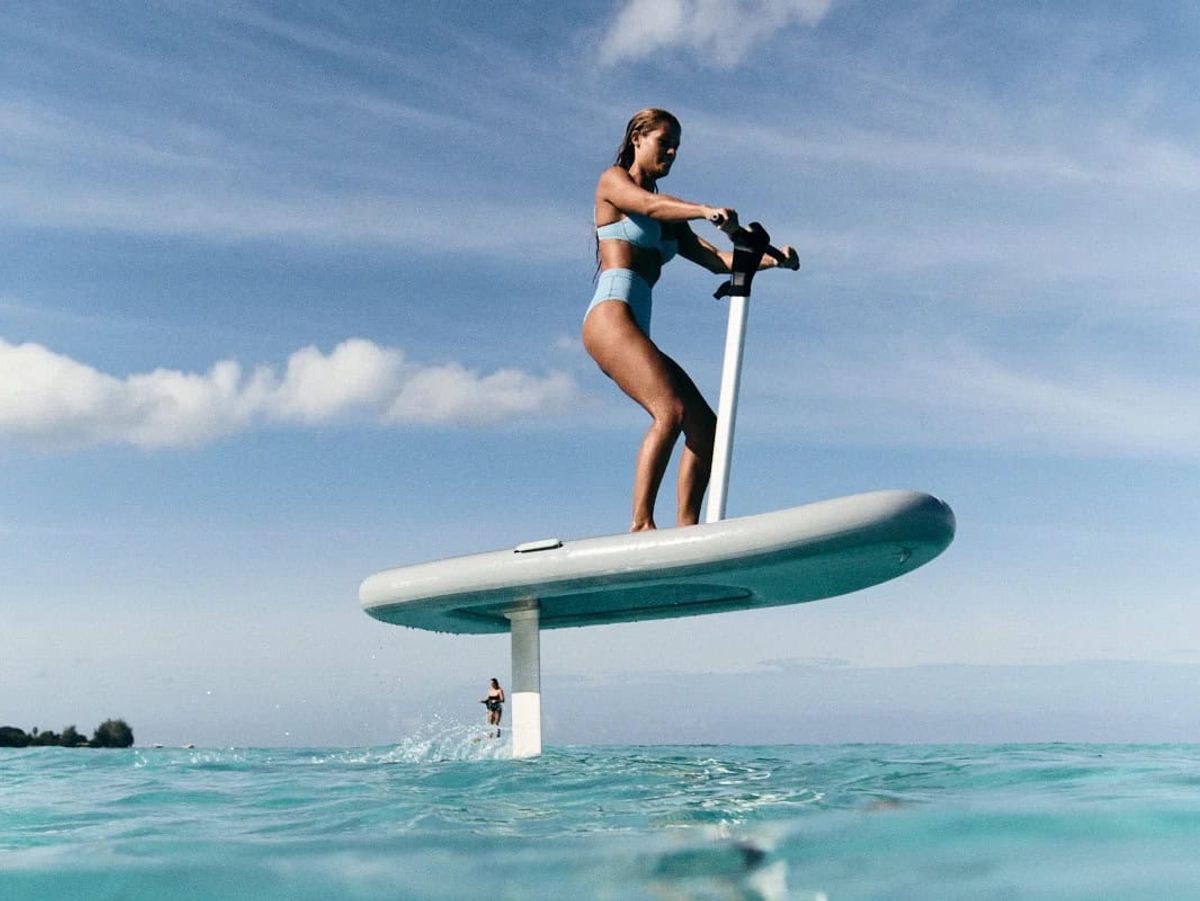
New-to-market electric foils (eFoils) are already making headlines. Brands like LIFT5 promote zero-emission, whisper-quiet foils with battery packs that recharge in just a few hours. The silence is key in sensitive marine zones, where noise can stress wildlife. Meanwhile, Flitescooter markets a quiet, electric alternative to traditional jet skis, positioned as “connect with nature” devices rather than roaring watercraft.
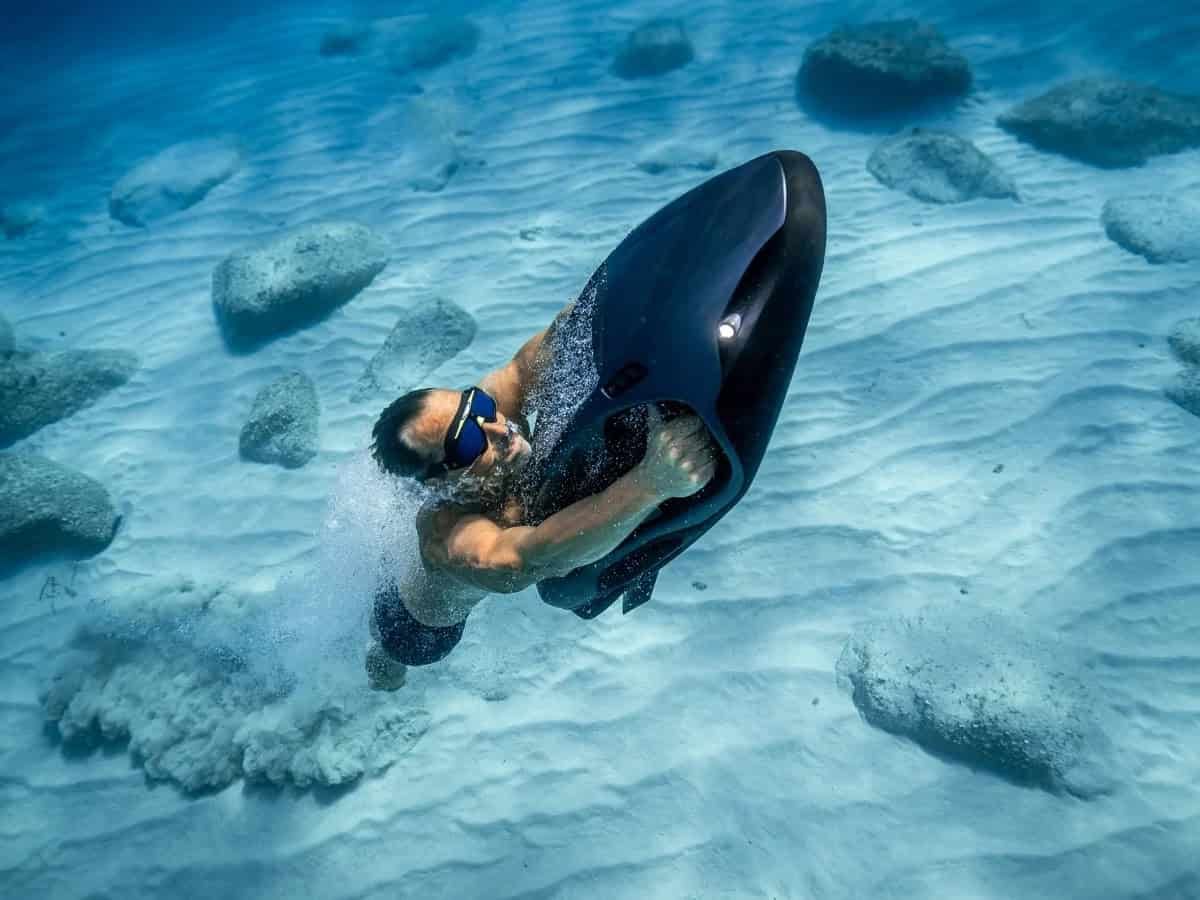
Underwater scooters (like the popular SeaBobs, also known as dive jets or submersible gliders) are another category gaining sustainable upgrades. Many modern versions lean on efficient lithium-ion battery packs, slim profiles, and software control to limit impact on marine life and minimize drag.
The challenge for yacht crew is to accommodate these new batteries safely. Lithium-ion batteries, which power many modern toys and tenders, pose real safety risks if not properly managed. Overheating, overcharging, or physical damage can trigger thermal runaway — a chain reaction that leads to fire or explosion, releasing toxic gases and intense heat. In the confined environment of a yacht, that danger is amplified.
Safe handling of lithium-ion batteries means isolating batteries in a ventilated, fire-resistant locker away from direct sunlight and moisture with temperature and charge monitoring systems in place, following manufacturer charge cycles, using approved chargers, and never leaving batteries unattended. Keeping battery storage safety compliant should be factored in as part of the purchase price of these new toys.
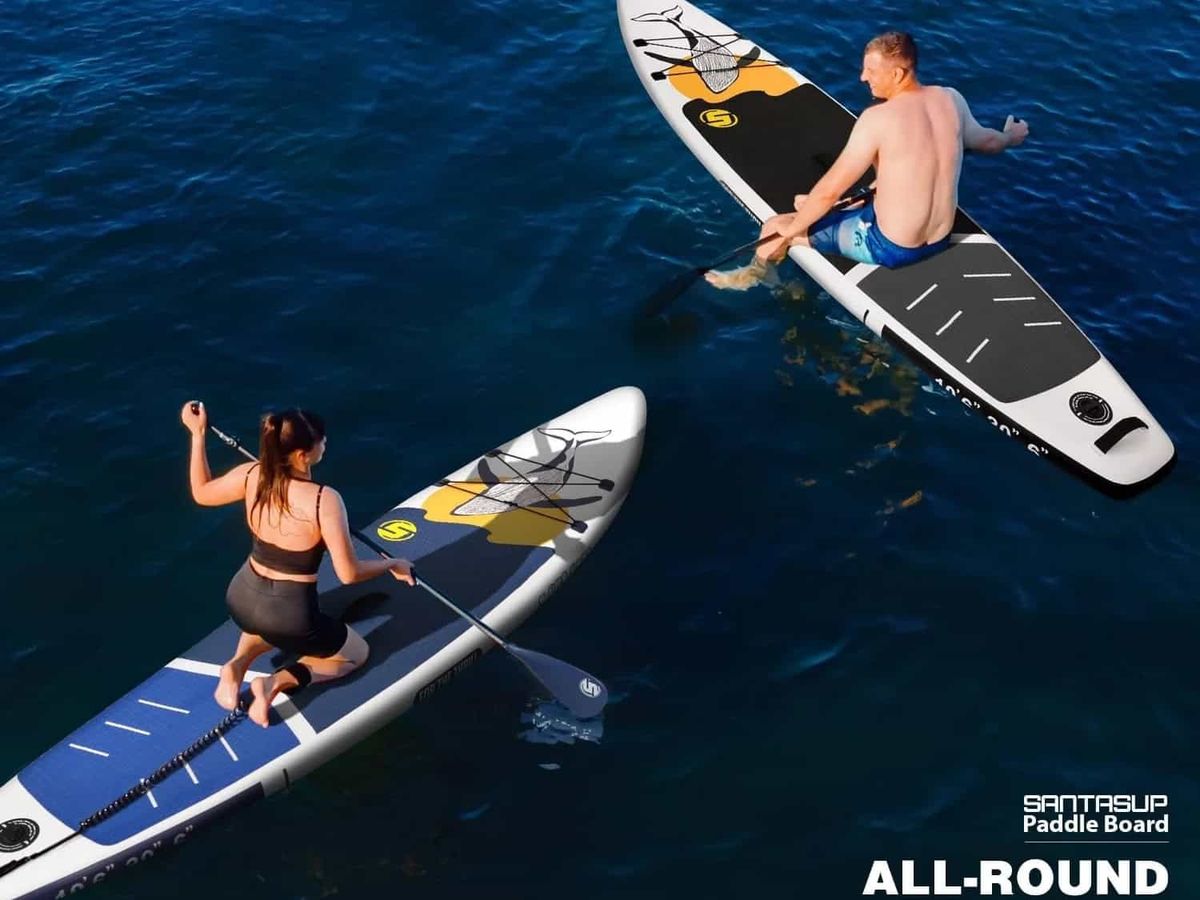
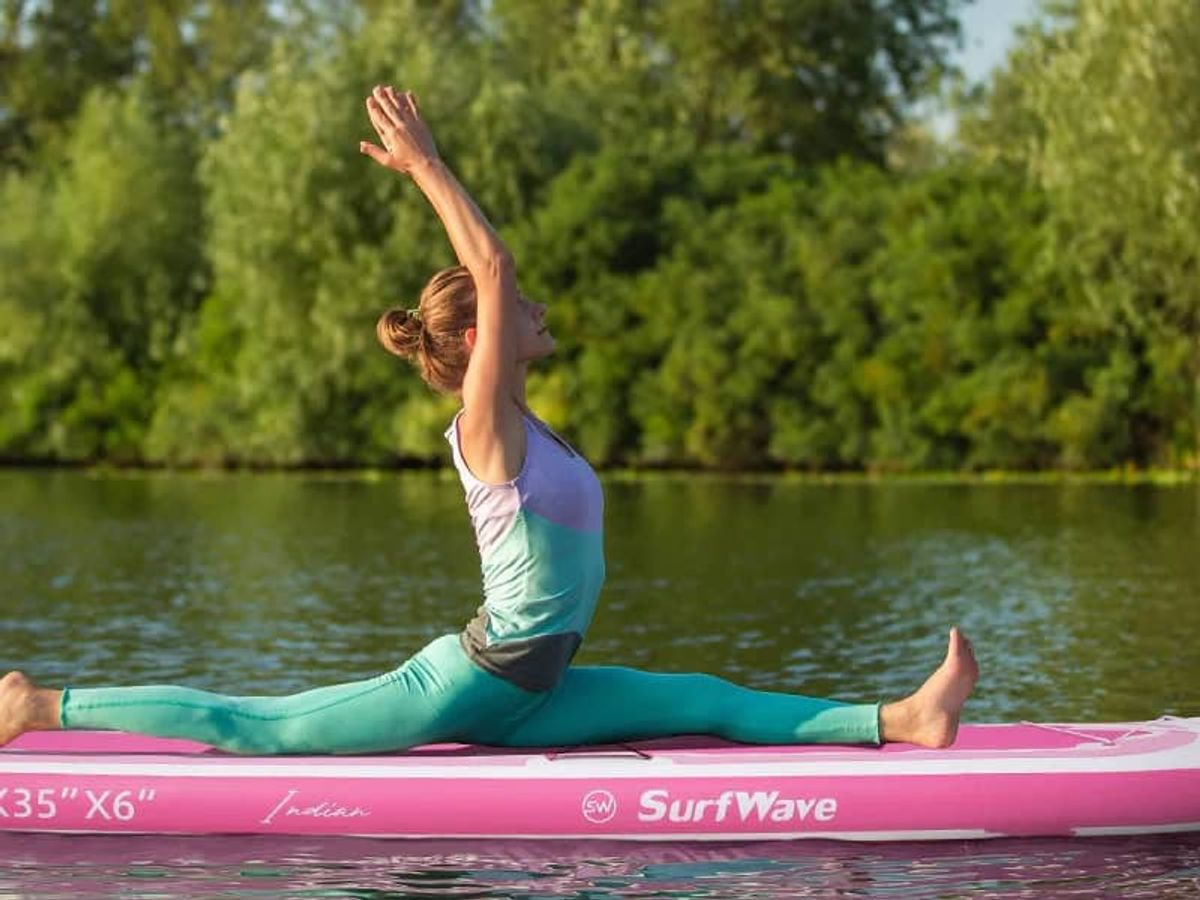
Electric propulsion is only a piece of the emerging eco-toys market. Biodegradable inflatable paddleboards or boards made from recycled composites like Yolo Inflatable Eco Trainer and SurfWave Wood Grain’s paddleboards are also becoming popular. Manufacturers have reduced single-use plastics, using bioresins and redesigning for easier recycling as products wear out.
More yacht owners and charter operators are seeking not just flashy toys but ones that align with eco values. Charter guests increasingly care about carbon footprint, local ecosystem impact, and responsible tourism. Eco-sea toys help yachts differentiate themselves in a crowded field.