

Time to move ashore? Private aviation might have everything you need to ease your transition out of being yacht crew.
Most yacht crew eventually face the choice of moving ashore. Many find it an easy move into shoreside yachting jobs, drawing on their existing skill sets and industry knowledge. Leaving the industry entirely can pose more challenges. The private aviation sector, however, offers a familiar skill set and a potential path forward, particularly for interior crew.
An Easy Move?
Lauren Tarpley, a former yacht stew, worked on yachts for five years before moving to private aviation in 2014. She now works on a smaller private jet for her former yachting boss. “It was just the right opportunity at the right time,” she said. Tarpley had never flown on a private jet before she took her first trip as a jet crewmember.

Lauren Tarpley
For Tarpley, the similarities between the two industries are apparent. Like yachts, private jets serve high-end clientele and require attention to detail, planning, and excellent people skills. Tarpley noted that the private jet sector offers lucrative opportunities and a smoother transition out of yachting for stews.
The private jet crew job is similar to yachting in that the job parameters depend on certain factors: Is the jet chartered? Private? Corporate? How big is the plane, and is it part of a larger fleet? More planes equal more people, meaning several crewmembers and a more consistent schedule.
In Tarpley’s case, her current crew consists of two pilots, a maintenance person, and herself as flight attendant, with backup from contractors when needed. “That’s bare bones,” she said. Flights vary in length depending on the plane, with Tarpley’s longest so far being 10 hours, and she averages about 10 nights away per month.
She usually receives her schedules and any updates from the executive assistants. “It’s not firm, ever, but you get to know the passengers and their routines and can guess,” she said.
Charter jets tend to be busier than private jets, with more structured schedules. Tarpley explained that corporate jets often fly for businesses and tend to have larger flight departments. These departments frequently handle longer trips and spend more time outside the U.S.
Larger jet management companies may also rotate crew among different planes, much like freelance yacht crew. As in yachting, this freelance-style work provides a variety of experiences but comes with less predictability.
Day-to-Day Duties
“To me, it was a simple transition because the jobs are so similar,” Tarpley said. She typically handles provisioning the day before trips, purchasing essentials like water, snacks, and cleaning supplies, and reports for work approximately two hours before the flight. Depending on the flight, she may also coordinate catering, restaurant delivery, or arrange for meals prepared by the boss’s personal chef.
After each trip, Tarpley is responsible for cleaning the jet, although a professional cleaning service comes in to thoroughly clean the entire plane as well. She also sends out linens to be laundered.
Both jobs are service-oriented, and customer service is essential. “The requirements to maintain a high level of customer service, an upbeat attitude, and the ability to work well under pressure are the same — although there are fewer happy customers on an aircraft than on a luxury yacht,” said Stewardess Tracey Boston, who worked for a commercial airline before yachting.

Tracey Boston
From Aviation to Yachting
Several crewmembers, including Mariamawitt and Boston, jumped from aviation to yachting. Boston is currently working ashore but has been crew since 2007. Before that, she worked as an inflight trainer on two Caribbean airlines from 2000 until 2007.
Mariamawitt was 19 when she enrolled in the Ethiopian Airline Aviation Academy in 2018 to become a flight attendant. She worked in the commercial airline industry and found the role incredibly demanding, “particularly in developing countries facing economic challenges.”
Her job duties in the commercial airline space were like those in the private jet arena, but on a larger scale: passenger safety, service, and cleanliness. “One of the most rewarding aspects of my job is the opportunity to travel extensively around the world. However, managing the diverse needs and personalities of 200 or more passengers can be challenging,” Mariamawitt said. Regardless, it was likely excellent training to handle guests on the crew job.
Mariamawitt ultimately discovered yachting. She worked her way onto a boat in 2021 and now works full-time as crew. Her goal is to remain on yachts, although some aspects of her life were easier in aviation — traveling on her passport can be difficult in yachting.
After switching to yachting, Boston found some aspects of aviation helped her succeed on boats. She was surprised “how much it developed my situational awareness and understanding of soft skills development and their role in customer- and hospitality-based jobs,” she said. “Yachting was an easy transition as a result. Aviation also teaches the power of teamwork and its role in saving lives.”

Mariamawitt
Comparing the Lifestyle
The yachting lifestyle is demanding, as crew live and work with their colleagues, and workdays often stretch late. The long stretches away from home can also be hard to handle.
“When I look at the flying world and the yachting world, the yacht crew have it so much harder because they’re gone all the time,” Capt. Brian Luke said. “Even when you’re a corporate pilot flying a lot, you are at least touching base, touching home.” Luke holds a 1,600-ton captain’s license and is also a commercial pilot. He built his yachting career over 30 years before he moved ashore to work in crew training in Fort Lauderdale. During COVID, he returned to being a commercial pilot full-time.
While the jet crew lifestyle can also have difficulties, it allows more time for a “normal” life — and more quality of life, Boston said.
For Tarpley, moving to aviation offered more balance. “It’s definitely a slower pace of life,” she said. While she loved yachting, she had no desire to move up in boat size or position. The jet schedule allows her more freedom to manage her personal life, though she acknowledged that living ashore comes with its own stresses, like handling bills and home maintenance.
For Luke, both industries have their stresses. “It’s like feast and famine — it goes from zero to 100 miles an hour very quickly on both sides,” he said, but he ultimately found yachting more stressful due to the close quarters and extended time away.
Safety and Training
Despite aviation’s relative newness and its similarities with yachting, Luke said the yachting industry lags behind it in safety and training.
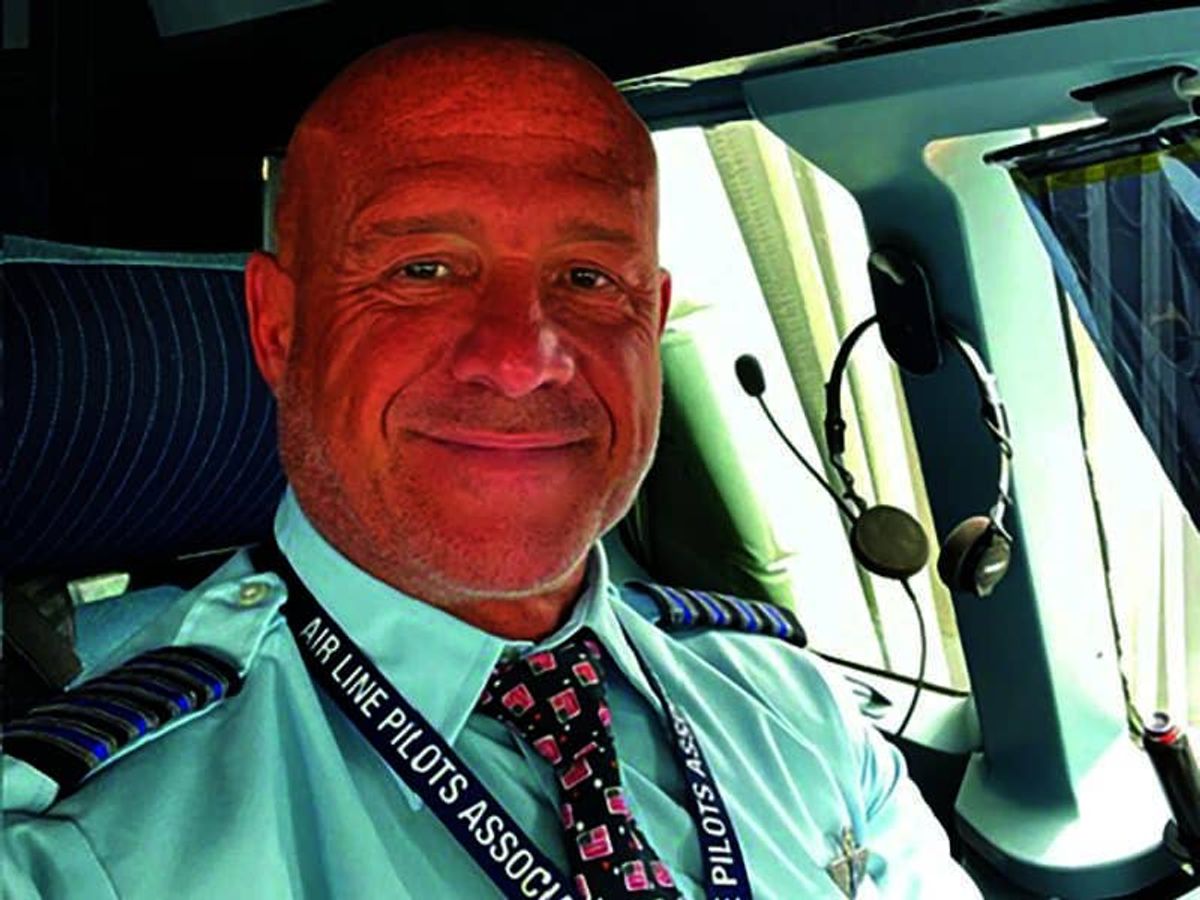
Brian Luke
“Safety is so connected to training — training is the number one tool we have that reduces the accident rate in both aviation or the maritime industry,” Luke said. There has been a training push in yachting recently, but aviation has always taken training seriously.
Boston and Tarpley agreed that safety is the aviation crew’s primary job. “If something happens 43,000 feet in the air, you want somebody there to help because the pilots are flying the plane,” Tarpley said. “But a lot of the time, the principals see you as the person who brings the food.”
“Aircraft stewardesses are required first and foremost to be the safety facilitators of every flight,” Boston said. As a flight attendant, Boston also conducted in-flight assessments for new and senior flight attendants. She also assisted the head trainer in the flight attendants’ ground school training. The training regime included classroom training and weeks of in-flight training.
In comparison, she found yacht training lacking. “In yachting, it’s more like ‘jumping into the deep end,’ but in the airlines, it is carefully thought-out, meticulous onboard practical training,” she said.
Tarpley explains that the FAA requires training similar to the STCW, including safety, medical, and fire training, plus yearly refresher training.
Safety drills are a regular part of both jobs, but Boston said they were required to return to ground school every year in aviation. “The hours of work and rest were MUCH more regulated, tracked, and restricted for aircraft work,” Boston said.
Luke explained that airlines strictly follow regulations. The corporate world, especially with charter flights, operates similarly to yacht charters, with shared rules. The key issue, however, isn’t the regulations themselves but the level of oversight. In corporate aviation, private jet owners may have more leeway and flexibility about rules.
Benefits
Matching the yachting benefits ashore is hard, but private aviation can pay well. Tarpley finds the pay on par and the benefits better, sharing that salaries can start in the $85,000 to low $100,000 range and reach into the low $200,000s. Charter may pay a little less, but a perk is the set schedule. Contract jobs could pay as much as $800 or $900 per day. By comparison, Boston said commercial flight attendant salaries are merely half of stew salaries.
Additional job benefits vary by employer and could include typical benefits like health insurance and retirement options.
Charter or private jet crew may receive tips, depending on the job. “I’ve never been tipped,” Tarpley said, although she might get the occasional gift from her boss.
Commercial aviation is more transparent with salaries, at least for pilots, which can usually be found online. However, as Luke said, “In the corporate world of flying and in the yachting world, each individual is negotiating their salary.” As with yachting, the larger the plane, the larger the salary, he said.
More privacy and space can be a perk in aviation, even on the job. After flights, the flight crew is usually housed in hotels while away overnight, and they receive stipends or per diems for food expenses. Conversely, once the charter guests board the yacht, there’s usually no escaping them except for a few hours here or there.
Travel can be a perk in both industries. However, like many travel jobs, it sounds good in theory, but the realities of the job don’t always allow for time spent exploring new locations. Still, it can be hard to match the experience of days anchored in stunning locations most people will never visit. “It’s so beautiful,” Tarpley said. “Just being on the water with your coffee in the morning or watching the sunset in the evening.”
With time off the plane, jet crew may also have more time to explore between flights — but these opportunities are subject to the individual job’s requirements.
Making the Switch
Tarpley advises being prepared for a time and financial commitment for anyone looking to transition from yachting to private aviation. While her training didn’t take long, it required a few thousand dollars’ investment.
You might also have to get another job to supplement your income while you sign up with management companies and network, as it could take up to 18 months to land a job. Tarpley suggested signing up with a charter company like Vista Jet to get your foot in the door. It’s hectic, she said, but it’s good exposure and experience.
Tarpley also recommended moving to a private jet hub area close to New York, California, New England, Washington, or even South Florida. Being close is key — employers don’t want to waste time and money flying you in for jobs, and you might be overlooked for local crew.
Ultimately, both yachting and aviation have their rewards, but aviation can offer a balanced lifestyle with the potential for high earnings when it’s time to bid adieu to life on the sea. As Tarpley said, “For me, it was the right time to step ashore and try something different.