
Being prepared during hurricane season also means checking that insurance and other paperwork.
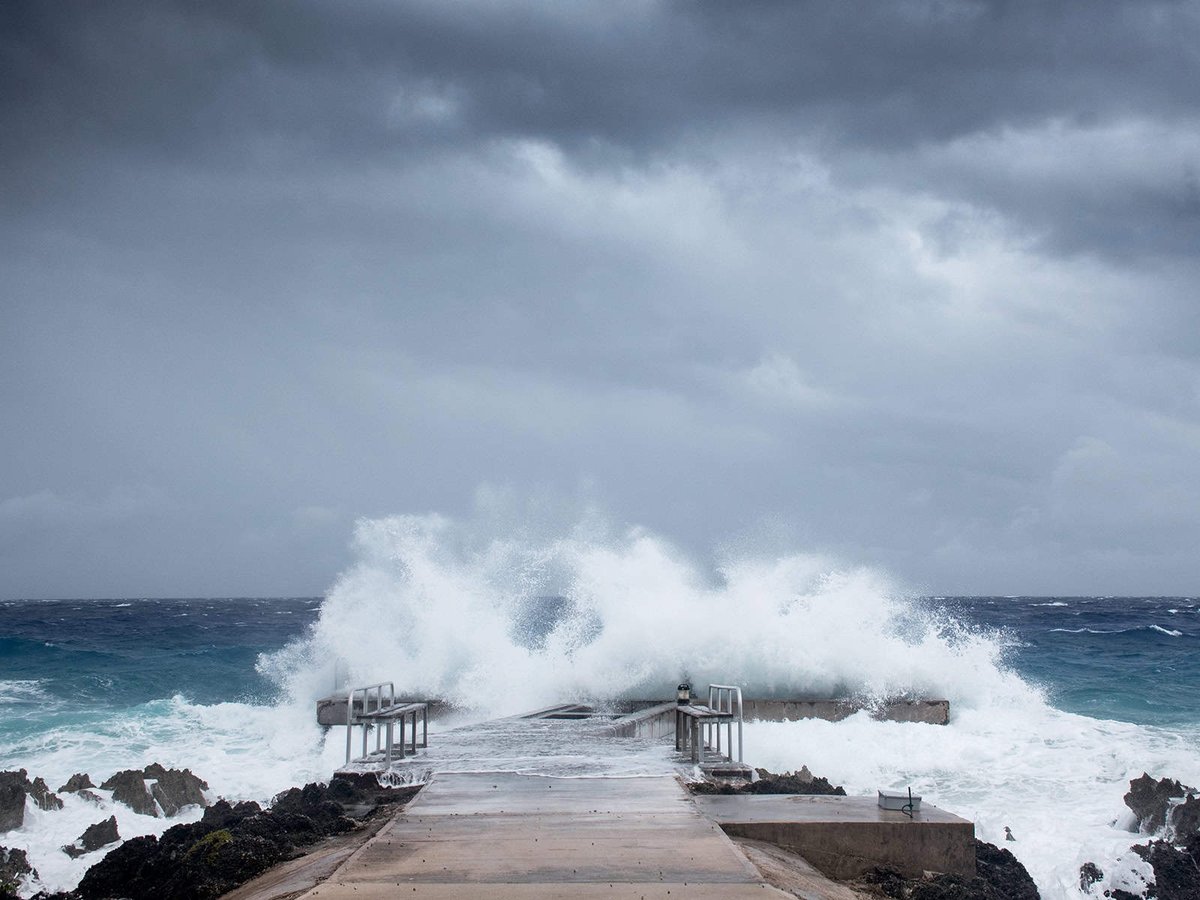
As we enter into the active part of hurricane season, now is the time to confirm that your hurricane plan and insurance are in place. While we all try to play the odds that we will not be in the path of a storm, this year NOAA has predicted 12 to 17 named storms, five to nine that could become hurricanes. They have picked out 21 names for storms, no Q, U, X, Y, or Z names. While your odds are good, eventually you may wind up dealing with a hurricane.
This is the time to check the insurance policy and coverages. First, is there hurricane/name storm coverage? Some policies exclude named storms. If so, are the coverage amounts proper? Does it cover salvage or wreck removal or recovery costs? Do you have coverage for tenders or additional gear or personal gear?
But it is more than just having the right coverage. Owners and captains need to check the current application and renewal forms to make sure that the facts listed or the plans given to the insurance company are correct and still in place. Often the initial plans are made and then a few years go by and circumstances change.
Is there a named captain’s clause? The insurance company will insure your boat, provided that the named captain is still running the vessel. If he or she has now moved on to another vessel, the new captain needs to be confirmed by the insurer to maintain coverage.
Are there geographical or navigational limitations? Some policies require the vessel to be north of a certain latitude during the season or out of Florida, the Bahamas or parts of the Caribbean.
Is there a required hurricane plan? If so, is that plan still current? (You had planned to take it to your favorite boatyard however, plans have changed and the yard has been sold and you no longer have a reservation). Confirm your plans or dock space reservations and availability now.
Is the hurricane plan still possible and has it been agreed upon and accepted by the insurance company? If there is a hurricane plan, the vessel needs to follow the plan. Your insurance company’s position will be that it insured the vessel for hurricane coverage provided that the owner followed the hurricane plan in place, if not there is no coverage for your loss.
Marine insurance operates on the theory of the “upmost good faith.” That means the insurance company is relying on the truthfulness and accuracy of the information provided by the vessel owner in the application to the insurance company to be true and correct. It does not have to be an intentional misrepresentation. If it turns out to be incorrect, then the insurance company can deny coverage for damages to the vessel.
What if your boat damages another boat? Did you reasonably secure it? If not, you could be liable for the damage your boat does. While a hurricane may be considered an “act of God,” the vessel owner still has to take reasonable steps to secure it. A vessel owner is liable for damages caused by his vessel during a hurricane if he failed to take reasonable precautions under circumstances as known or reasonably to be anticipated.
Did it spill fuel? If you did not take proper precautions, you could be responsible. Even if it was partly caused by a hurricane, you could be liable for cleanup.
Make copies of your insurance policy, registration, vessel documents and keep a set off the vessel. Have photos and documentation of all gear, tenders, equipment lists, surveys, etc., in a safe place should you have to make a claim.
The time to review the policy is not after the storm has passed. Go through the policy and the application with your insurance agent and review it to make sure that all the information is complete, current, and accurate. Confirm that it has been accepted by the insurance company with their approval so that should you be caught in a storm, there is coverage for your losses.
It is hard enough to go through a storm. It would be worse to find out that after paying your insurance premiums, you did not have coverage in place to pay for the damages when you finally needed it.
Michael Karcher is a maritime lawyer with Robert Allen Law in Miami.
Click here to read Triton’s new Tech issue!