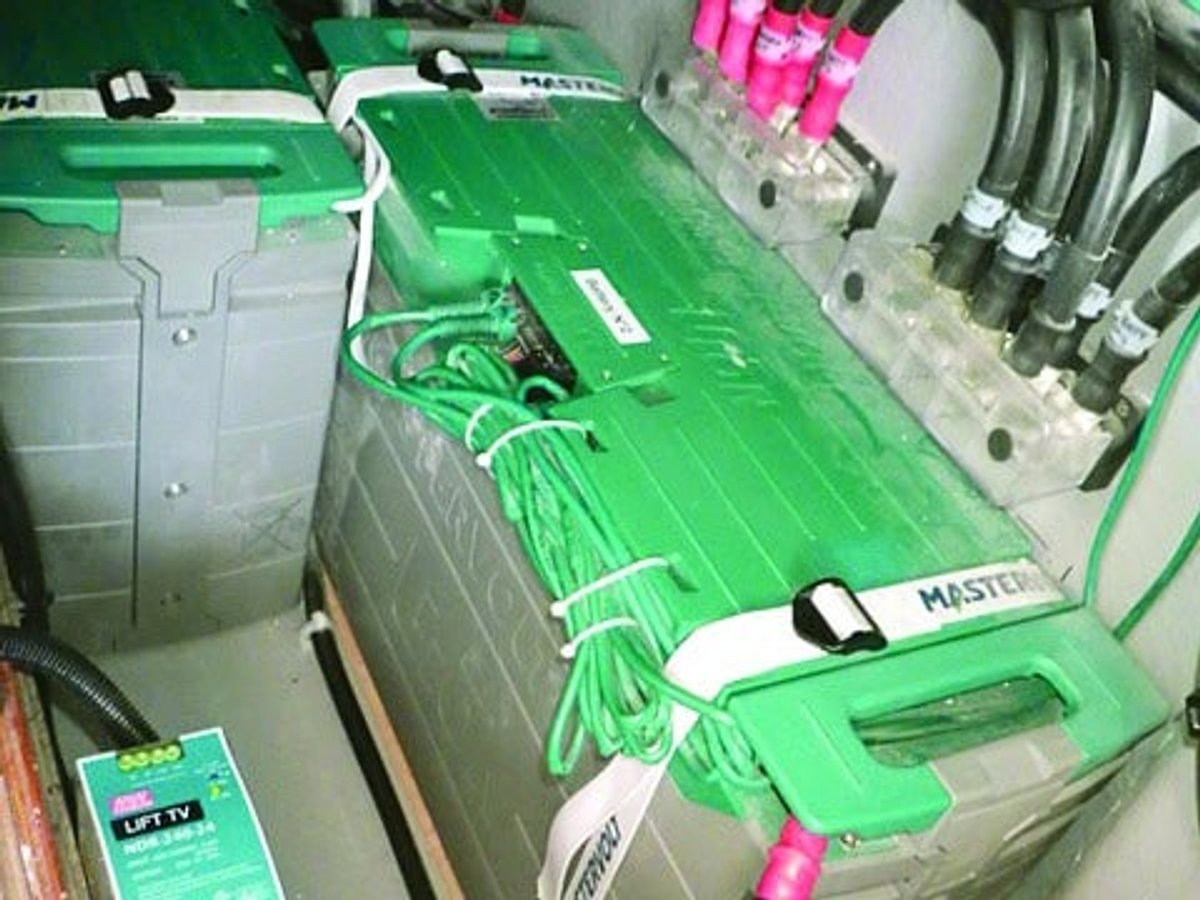

The United States Coast Guard (USCG) released a lithium-ion battery (Li-ion) systems installations marine safety alert on Monday, July 14. The alert comes after an integrated lithium-ion battery bank recently caught fire on board an inspected passenger vessel when loosely crimped lugs overheated. There were no injuries due to the fire and the vessel sustained minimal damage, but this incident highlights safety hazards unique to Li-ion batteries, according to the alert.
“All integrated (installations used for propulsion and electrical power) Li-ion battery systems on inspected vessels must undergo engineering plan review, be fitted with supporting safety systems, be tested and inspected at installation and periodically afterward, and be properly maintained by competent mariners, regardless of the battery bank size or end consumer,” the report states.
The report touched on five unique safety considerations.
• Energy Density: Li-ion batteries’ high energy densities allow for longer voyages and full electrification, but high energy density increases risk as it causes fires to burn hotter and longer.
• Thermal Runaway: Li-ion batteries may release high-temperature flammable gases that can catch fire or explode upon internal failure or short circuit. A fire’s heat output can increase the rate of off-gassing, in turn increasing the size of the fire.
• Fire Suppression Resistance: Thermal runaway fires are difficult to suppress, which makes fire management strategies like early detection, fire containment, and heat absorption with a water-based suppression system vital.
• Toxic Off-Gasses: Li-ion batteries release varied toxic gases in thermal runaway, many more than their “Immediately Dangerous to Life or Health” thresholds. These off-gasses vary dramatically across different battery chemistries and makes and models.
• Battery Management: Battery management systems to prevent degradation from overcharging, undercharging, or over-cycling are common with Li-ion batteries. However, these integration systems can be complex.
USCG recommends owners and operators to plan review and proper design testing procedures early in the construction process, visually inspect batteries for any signs of deterioration, and train crewmembers responsible for battery operation well — including how to respond to abnormal battery conditions or fires. Safety drills for Li-ion battery fires should be performed. USCG’s report also links back to their design guidance for integrated Li-ion battery systems that addresses major safety considerations for battery hazards.
Read the full report here.