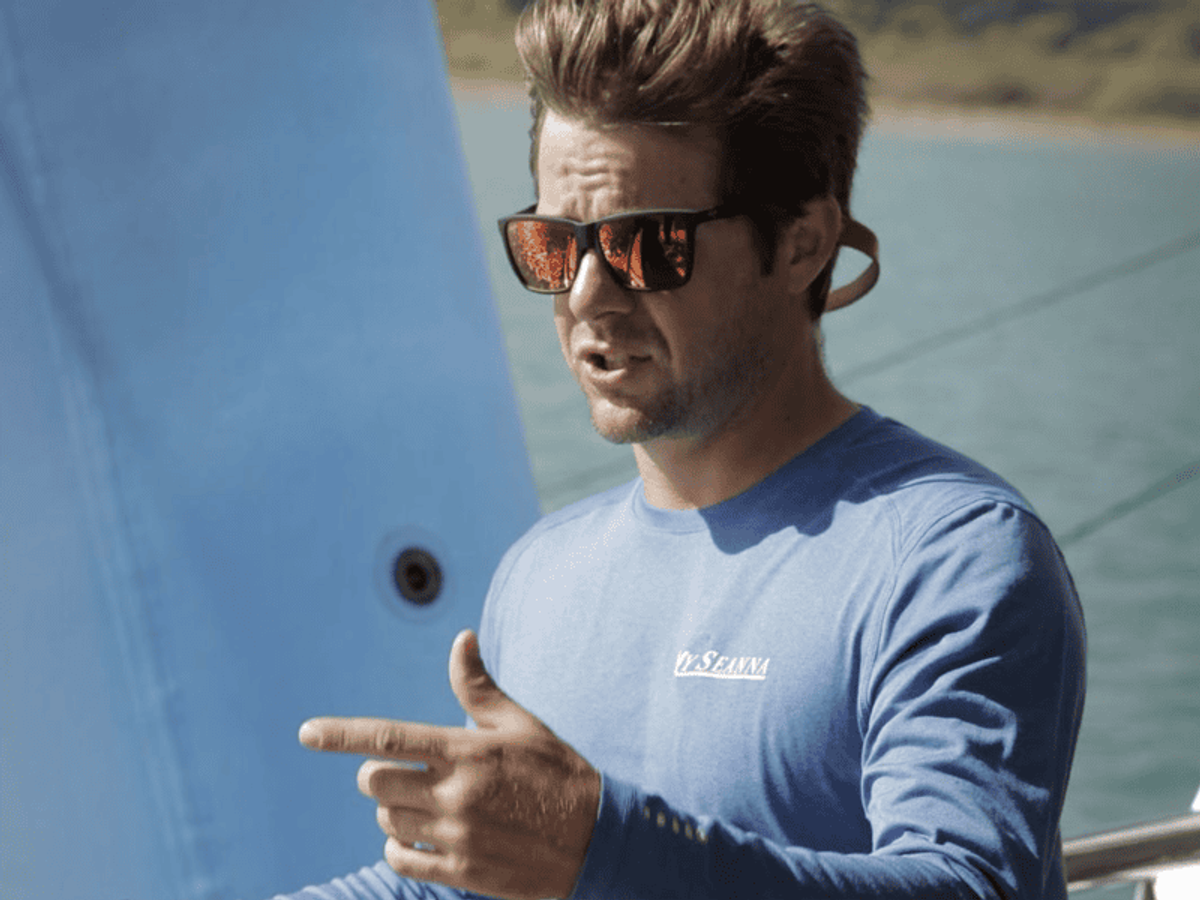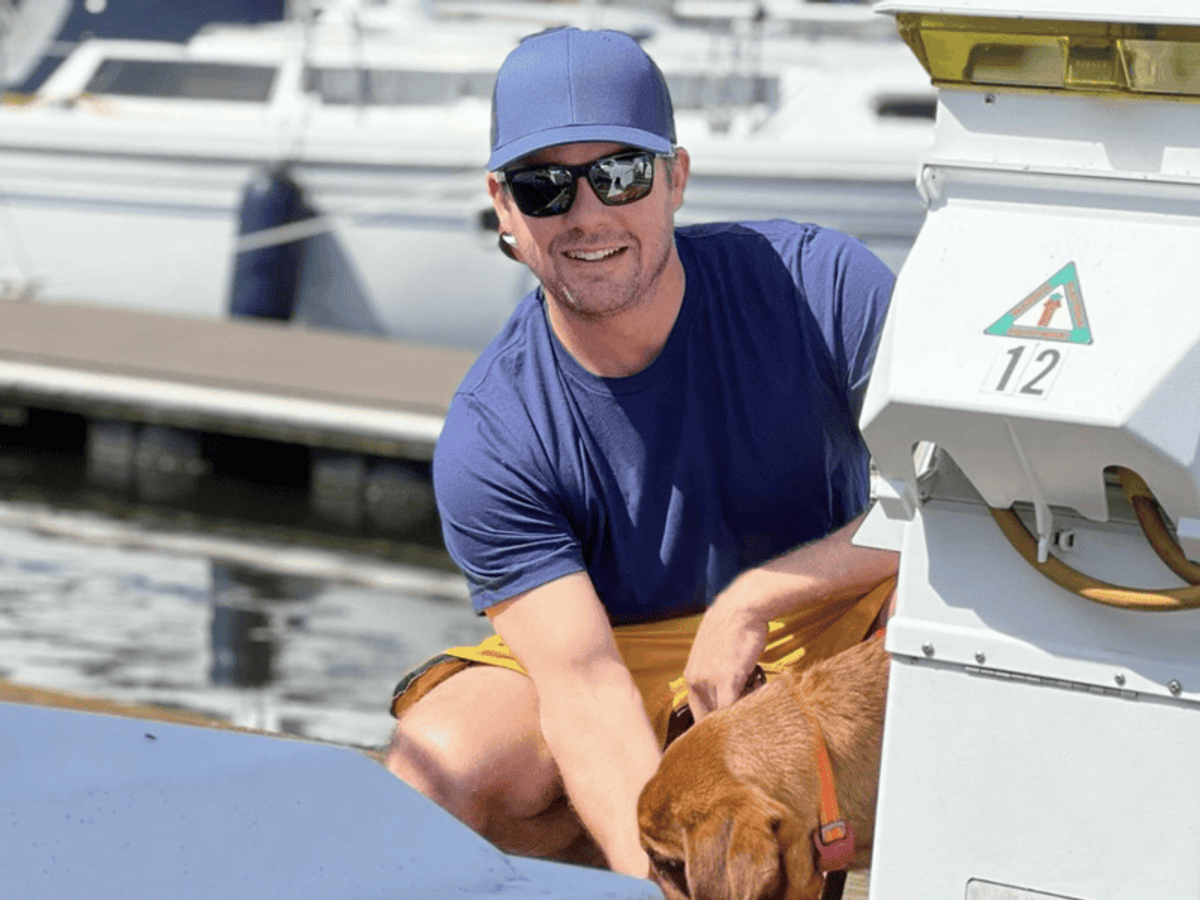

Captain Eddie Lucas made a name for himself on Below Deck and built a career in yachting. But as he got older, he discovered the charms of the tugboat life.
Making a fortune while traveling the world is one of the major attractions of yachting. But what happens when you’ve seen and experienced it all and just want a place to call home?
Captain Eddie Lucas faced that dilemma after spending several years working on deck in the superyachting industry.
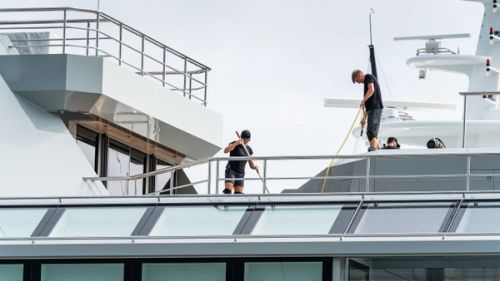
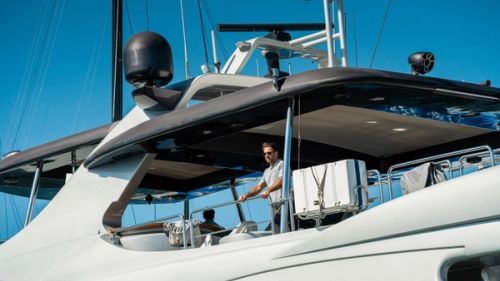
He began his maritime career on the Bravo series Below Deck in 2013. Although he had a prior background in boating, the 50-meter Benetti superyacht marked his first stint as a deckhand on a superyacht.
His love for yachting and the maritime industry grew from there, and he swiftly climbed the ranks. While Lucas remains passionate about travel and the financial benefits that come with yachting, he has also developed a strong desire to establish a relationship, buy a home and put down roots.
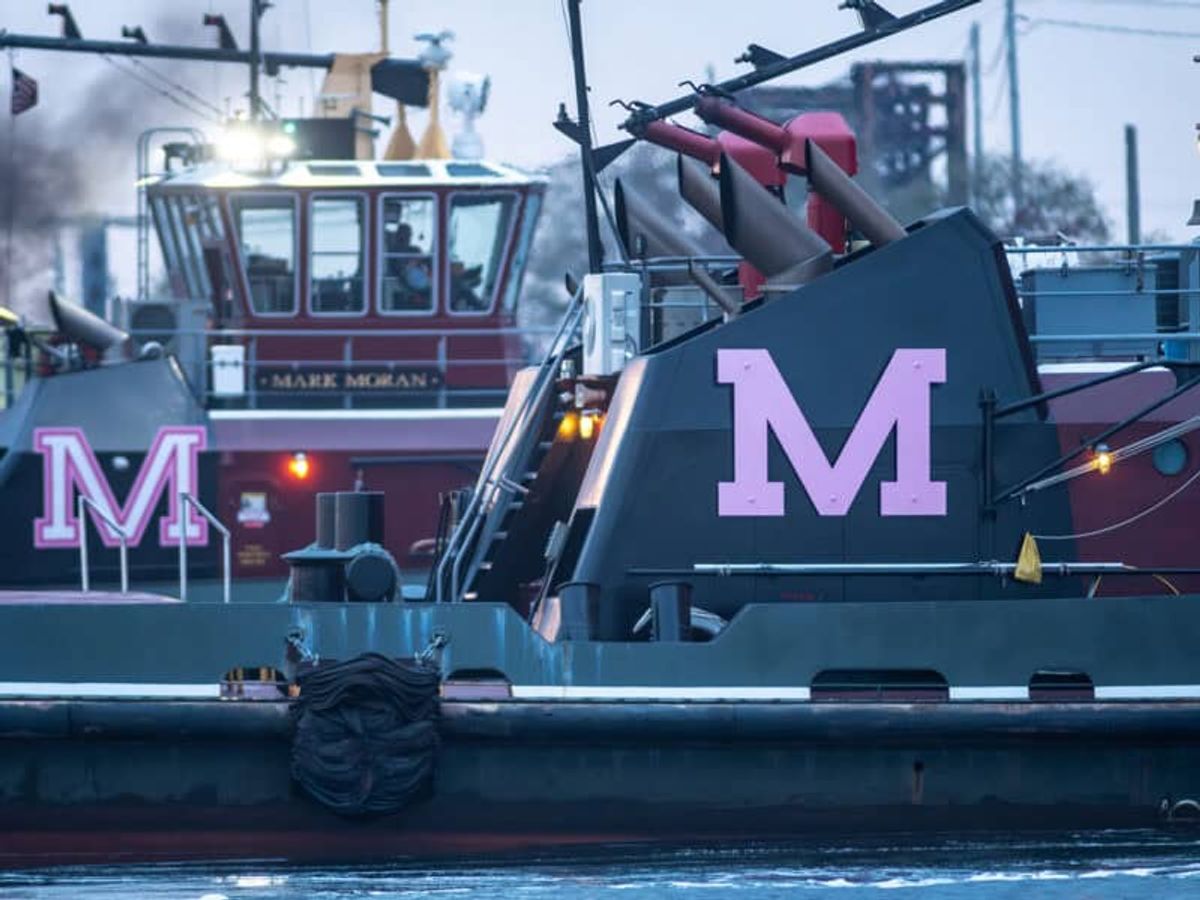
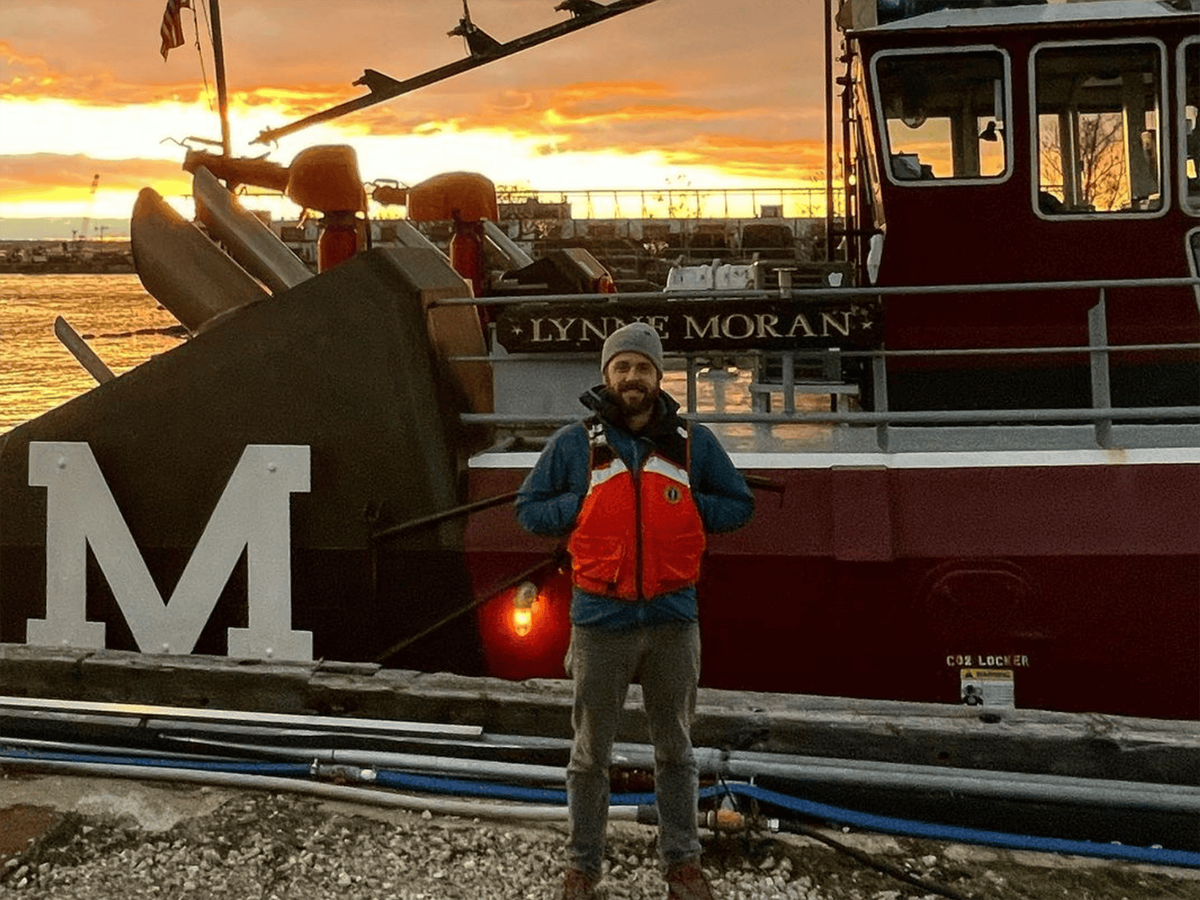
So, Lucas pivoted from superyachting to pursue a career as a tugboat captain. However, this transition was no small feat. Lucas invested a decade of hard work and education to obtain the certifications required to command the Lynne Moran.
He finds the work exhilarating. It’s different every day and can be perilous, but he loves how the job keeps him grounded, offering the opportunity to work two weeks on and two weeks off. He jokingly referred to himself as semi-retired since he only works half of the month.
“I wanted to continue working on a boat, following my passion for working on the water, and not let all the time and effort I put into my certifications go to waste,” he said. “I also wanted to have a home, own a house, own a dog, and be in a relationship. This is particularly challenging for those who work on boats, unless, of course, they work with their partner.”
“I was able to achieve all of that and still work on boats. The only thing I miss out on is not getting to travel the world, swim in crystal clear waters every day, or enjoy gourmet meals prepared by a professional chef. Now I have to make my own ramen. And it’s not that good!”
While life on a tugboat may not have the same allure as superyachting, Lucas said he’s never bored and appreciates not having to cater to guests.
“I got into tugboating because it’s hands-on, exciting and dynamic,” Lucas said. “It’s always something different, and I only have to work with the same three crew members. They’re great, and for the most part, you work two weeks on and then you have your two weeks off, which is pretty great. You just have to stick to a schedule, and you’re not away for extended periods. When my port in Baltimore is slow, I can still come home for a bit.”
Lucas detailed how working on a tugboat differs from superyacht deckwork. While there are some shared tasks, Lucas emphasized that it involves less teak scrubbing and more navigation.
“We’re docking the ships,” he said. “What I do is called shipwork. It’s not like we’re longlining, pulling barges, or pushing barges. We’re involved in ship assists.”
“These are short, exciting jobs that demand a high level of skill to maneuver around and collaborate with the pilots, which is great because it suits my ADHD,” he joked. “So, it prevents me from getting bored or complacent. The jobs are quick, and then we move on to the next one.”
“It took me nearly 10 years to become a captain. I began as a deckhand and worked my way up. It’s crucial to start at the bottom and understand the risks on the deck so that when you’re in the wheelhouse driving, you know what to watch out for and ensure the safety of your deckhand and crew while they handle their lines. That’s a significant part of it.”
“But then, I was a mate for five years. Operating these tugboats is vastly different from most other vessels you’ll typically encounter. Usually, you have a steering wheel and a throttle on the side. My tugboat is known as an azimuth pod or a z-drive. Instead of having a steering wheel and a throttle, my tug has twin screws. It’s powered by twin 2,500 horsepower engines, totaling 5,000 horsepower.”
“I control each of these with a small palm-sized throttle, and that’s what I use to steer the tug. I can rotate both throttles 360 degrees. So, both throttles can be rotated 360 degrees, and that rotation also determines my thrust vector. I don’t have a rudder behind my propeller controlling thrust. Both my propellers rotate 360 degrees, and that’s how I maintain control. I don’t have a forward or reverse; I have neutral and in gear. It’s quite different.”
Are there any downsides to this land-based job?
“You’ll definitely make more money working on yachts,” Lucas said. “You’re away from home for extended periods, and you deal with some challenging guests. So, I think the yachting industry pays quite well.”
The tugboat industry currently has a significant demand for crew as well.
“Working on a yacht sounds far more enticing and appealing,” he said. “In many ways, it is. If I were a younger man, I wouldn’t be working on tugboats. I’d be back on a yacht, traveling the world, and banking money.”
“That’s the great part of working on yachts. You don’t have to spend much money. Everything is provided for you, including food and housing.”
“But I’ve noticed an increasing number of people transitioning from yachting to the tugboating world. We just started a guy here on my tugs who used to work as an engineer on yachts. His whole reason for coming to work on tugs was so he could be home more often with his family.”
Lucas enjoys being a tugboat captain but leaves the door open to a potential return to superyachting.
“If circumstances change, I might explore getting a higher-level license and trying something different,” he said. “If that were the case, I’d start on a boat, not as a captain, but as an officer, and build up my license from there.
“But if I were to return to yachts, I’d probably aim for a Near Coastal license or something similar, or work as a mate on a yacht for a while, and then work my way up from there.”
Triton’s new issue is now out! Read it here.