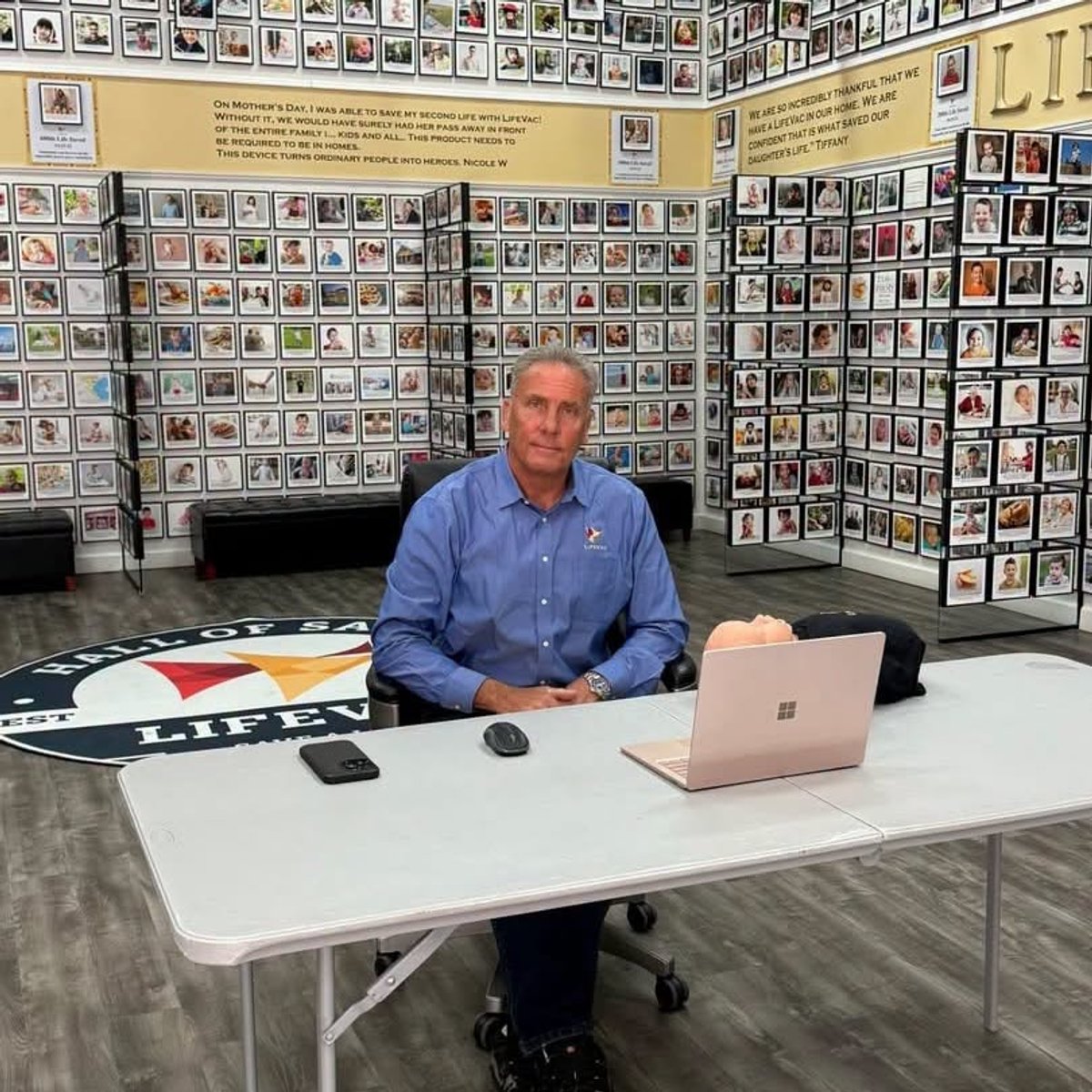

“If my daughter choked, there’s a chance I could do everything I could do — back blows, chest compressions, abdominal thrusts — and then she would just sit there and die. That was the moment I had to figure something out,” Arthur Lih said.
Lih is an American entrepreneur and inventor who created LifeVac, a handheld suction device designed to help clear a completely blocked airway during a choking emergency. LifeVac says the device has been used to save more than 6,000 lives. Before entering the medical-device field, Lih worked in the freight and transportation business. LifeVac wasn’t created by a physician or medical researcher in a hospital laboratory, but by a father confronting a problem he felt could have a better solution. Now, Lih wants to see that solution aboard yachts around the world.
The inspiration for LifeVac came after hearing about a 7-year-old that choked to death in a hospital. The story affected him deeply, in part because his own daughter was around the same age.
“Current procedures don’t always work. All those things had been done, and the kid died,” Lih said. “I never knew that when my daughter was born. I took the course, but they didn’t tell me it sometimes doesn’t work.”
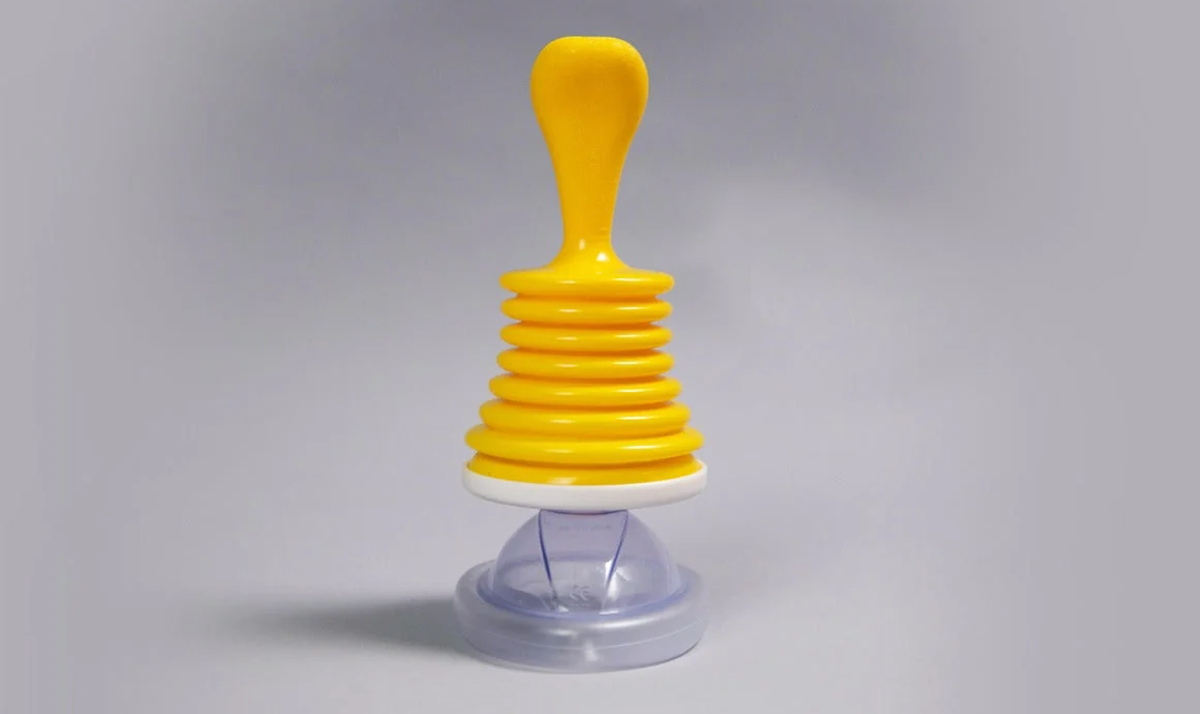
After learning that standard choking procedures do not always resolve an obstruction, Lih began experimenting with ways to remove an obstruction from an airway, eventually developing the concept behind LifeVac: a mask placed over the mouth and nose, connected to a one-way system that creates suction when its handle is pulled upward. The small invention has now become a commercial medical device used in homes, schools, care facilities, and other settings. In March 2026, the U.S. Food and Drug Administration granted LifeVac De Novo marketing authorization as a Class II “suction anti-choking device as a second-line treatment.”
LifeVac has gone on to save thousands of lives around the world, including a recent save that went viral online. Dramatic bodycam video shared by the Rialto Police Department showed an officer saving a 3-year-old boy who was choking by using LifeVac.
“I invented it to be able to save my daughter, but then I realized, found out how common choking is in the elderly. Then I realized how many kids die in school. Then I realized how the choking risk elevates with anyone with neurological condition, Parkinson's, Alzheimer’s, cerebral palsy, muscular dystrophy, and autism,” Lih said.
Seconds are crucial when dealing with a choking victim. Without oxygen, permanent brain damage can occur in as little as four minutes. A national study of more than 1.7 million United States EMS encounters found a median response time of seven minutes from a 911 call to arrival on scene, with significantly longer waits in rural areas. On a superyacht far from shore, captains, crew, and guests may have to rely on the people aboard for immediate intervention.
“There’s a fire? Get in the lifeboat. There’s a cut? Put a bandage on it. There’s no sustaining of life in a choking emergency. You can’t keep someone alive until help comes,” Lih said. “I think it’s a critical piece of equipment, considering the industry is very safety conscious.”
LifeVac can be used in a solo situation as well, with the device already accounting for hundreds of self-saves. LifeVac provides online training materials covering the device’s use and choking-response procedures. The company also provides a free replacement after a LifeVac is used in a choking emergency.
“The yachting industry can lead a change in the world. By leading the change with LifeVac they could save thousands of lives,” Lih said. “It’s not just one life saved with LifeVac, it’s the entire family and community saved. It’s not just putting it on your yacht. It’s the chance for you to do something to really change the world.”
lifevac.net