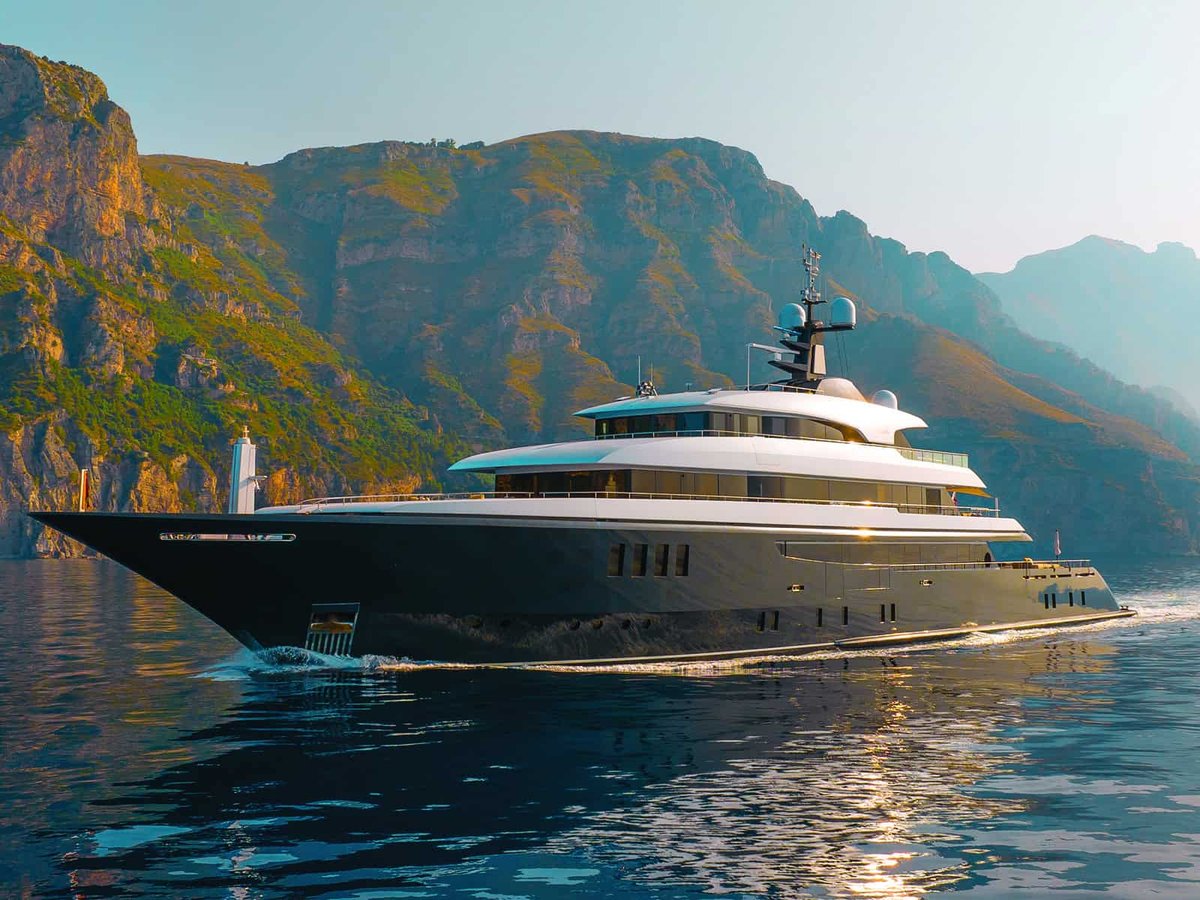
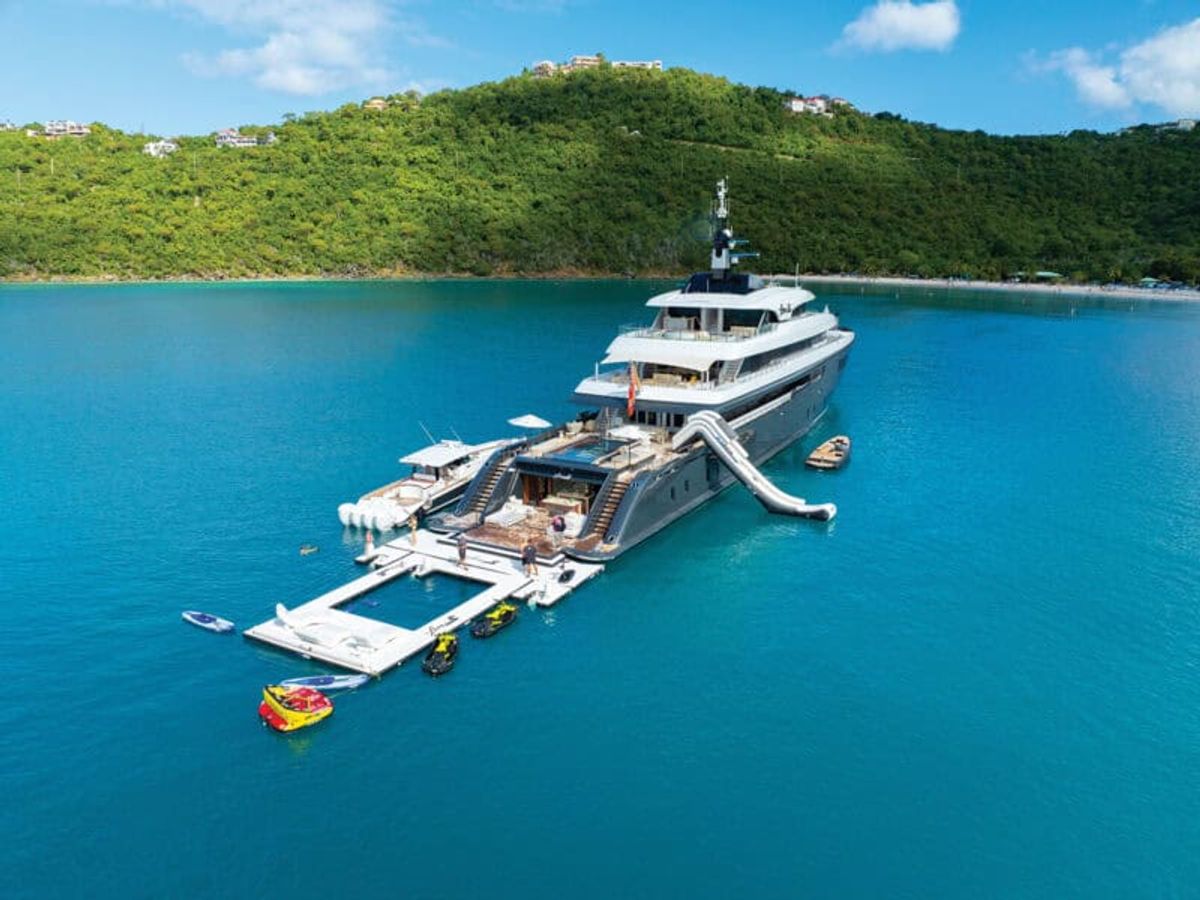
On the evening of Dec. 21, 2024, motor yacht Loon‘s tender, Reel Wild, crashed into rocks on St. Barths. Once the story broke, fans of the 68-meter superyacht, which had more than 200,000 subscribers on YouTube, immediately took to social media platforms like Reddit to discuss the crash. A story by “Le Journal de Saint-Barth” later confirmed the crash and reported that crewmembers on board were injured, with one needing to be flown to Miami for immediate care. Loon eventually released a statement on their Patreon confirming the incident while downplaying its seriousness, stating that their adventures would soon continue. Posts, comments, articles, and videos about the crash increased while Loon’s socials remained quiet. Finally, Loon’s accounts were wiped — videos were deleted or archived on YouTube, its Instagram page disappeared, and its Patreon was removed — and its captain, social media operator, and reported driver of Reel Wild at the time of the crash, Paul Clarke, vanished. With crewmembers on board unable to comment due to the ongoing investigation and Clarke unreachable through multiple avenues, many continue to search for answers. While the ongoing investigation prevents immediate answers from the crew who witnessed the event, Triton explored how this incident might reshape social media in yachting.
Who Should Own a Yacht’s Socials?
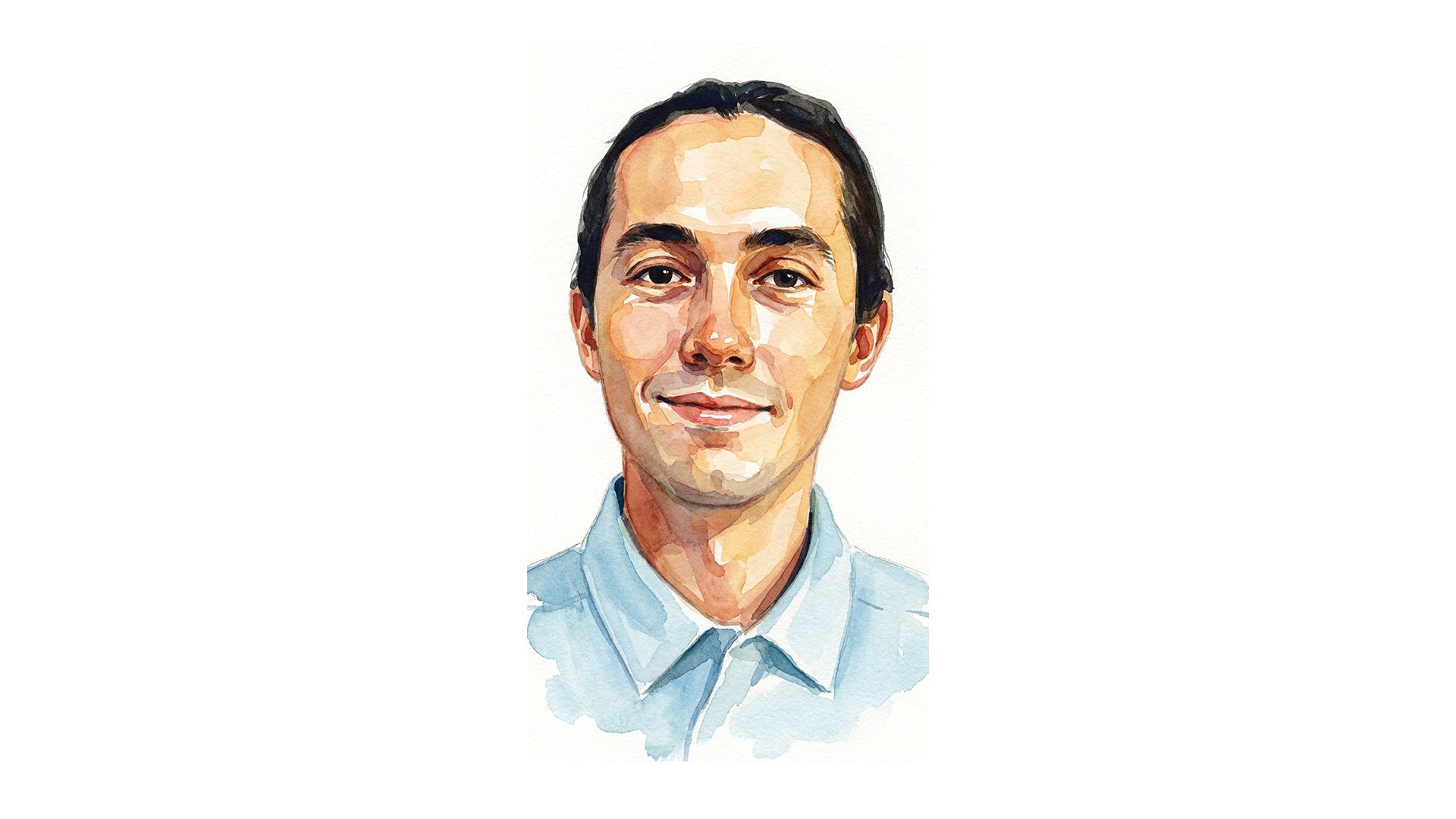
“[Loon’s owner was a] former charter client of mine. I was the first one to take them on a big yacht excursion,” said Capt. Herbert Magney. “I’m the one responsible for [him] becoming a charter client, and then buying their own charter yacht.”
Magney said he was approached to captain Loon, but he already had a gig on another yacht, leaving the position to be eventually filled by Clarke. Clarke built the yacht into the social media phenomenon it became and, according to Magney, eventually ran more than just the wheelhouse.
“Money being made, and it all looks good on the outside, so no reason to investigate, no reason to audit,” Magney said. “Everything was fine in the Land of Oz, and the great [wizard of] Oz took care of everything — until the wizard drove the boat onto the rocks.”
Magney’s points raises the question: Who owns yacht social media accounts — the admin or the yacht’s owner? Capt. Liam Devlin of M/Y Unbridled also highlights life on board to fans around the world. Devlin is transparent that the social media assets are owned by M/Y Unbridled, not him or any of the crew.
“I don’t understand the relationship with the owner [of Loon]. What I do see, though, is the deletion of an asset that had the owner’s name of the company or asset on it,” Devlin said. “That’s where there’s obviously a gray area, a conflicting area that people haven’t got clarity on, so it does look like a misuse of your liberties being employed as a captain for a company.”
The same attitude is reflected on board M/Y Freedom, another yacht that shares crew life on board.
“The Freedom Instagram account ultimately belongs to Freedom itself. It’s a representation of the boat, so although we’re all proud of the content we’ve created, we don’t feel it’s inherently ours,” said Deck/ Stew Molly Priebe, who runs the page.
What’s it All For?
Take a second and type “motor yacht” on Instagram’s search bar and scroll. Hundreds of different yacht pages come up — something that this hyper-private industry couldn’t fathom a decade ago — but what’s the purpose behind these accounts? It’s a question that Magney believes every social media yacht should ask themselves.
“What are we doing? What is our engine? If we’re talking about building a brand, whose brand are we building on whose back? And is it necessary, or is it just ego feed?” Magney said.
Many yachts use it to promote their charter program or sell the vessel, including Unbridled.
“Conversations about monetization have come up and I’m quick to deflect it and say, ‘Well, that’s not the objective, the objective for us is to charter the yacht or sell the yacht, per the owner’s direction,’” Devlin said. “Loon and the captain at the time, their objective was to monetize that account.”
Alexander Haubrich, creator of YachtieWorld and a former crewmember, founded YachtieWorld to support crewmembers and the businesses that serve them. He’s now reached more than 100,000 followers on Instagram and while he does help yachts gain a stronger social media presence, he maintains that social media in yachting is still in its infant stages.
“There is no blueprint; there is no standard,” Haubrich said. “At the moment, people are figuring it out because it is brand new. It’s a new era and it’s constantly changing.”
Checks and Balances
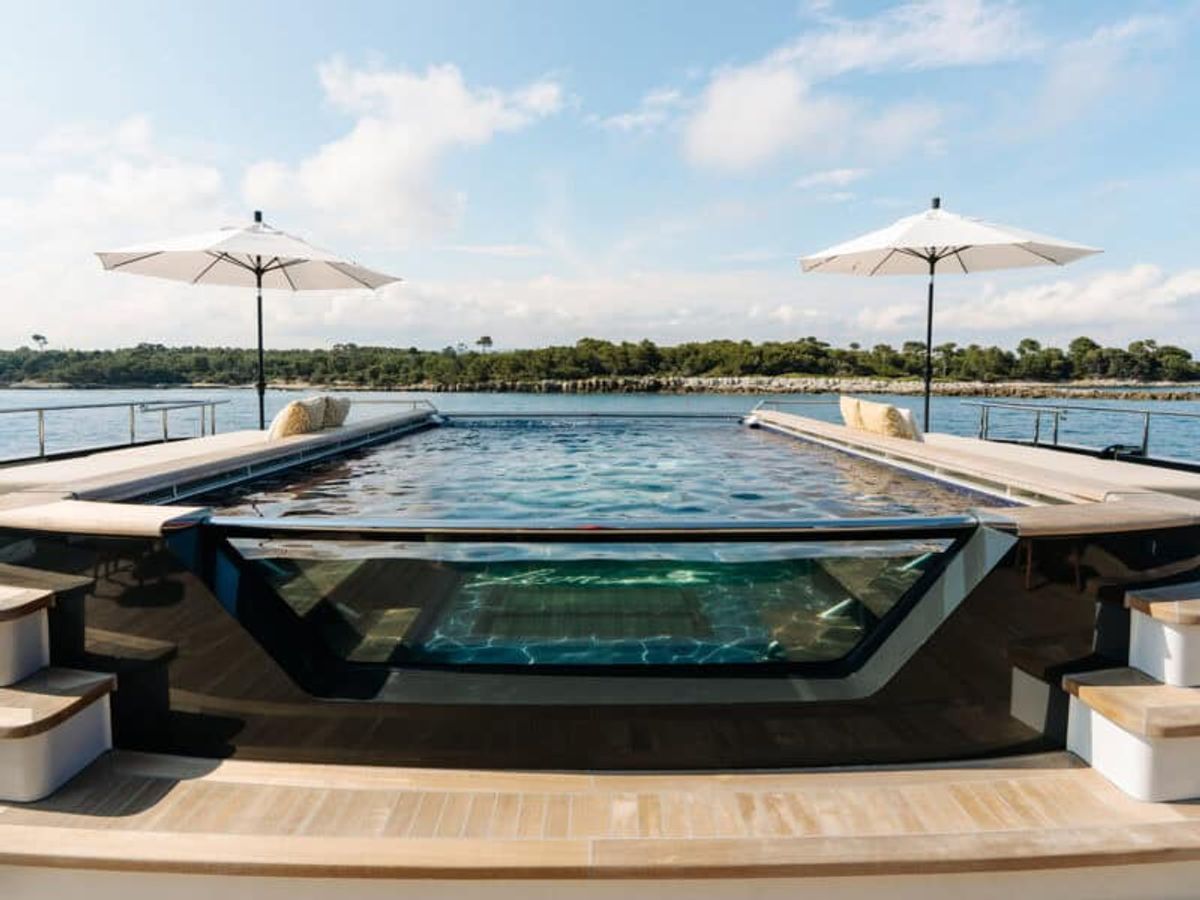
“[Clarke] created this air of stardom and that’s been the downfall of so many people of fame throughout history. It’s as much work to become famous as it is to stay humble, and if you don’t exercise the same amount of attention, then it can get out of balance,” Magney said.
Magney said the Loon crash is an example of what happens when good situations get out of balance, and he believes a lack of oversight to be the culprit. He compares the situation to a CEO of a Fortune 500 company — just because the CEO is the CEO doesn’t mean there aren’t stockholders, board members, department heads, and more keeping a level of oversight — and that sometimes includes pushing back.
“We never got to hear from the people who were not there, the people who were let go at the end of the season, the people who did not agree, because they would tell the king that he didn’t have any clothes on when he went on parade,” Magney said.
However, as Haubrich mentioned, there is no blueprint, no standardization for social media in yachting yet — but there can still be measures taken in anticipation.
In the event of a situation going wrong on board Freedom, Priebe said their page will continue to do what it always has, be transparent and authentic.
“I think if we were ever to find ourselves in a comparable situation, we would try to abide by those same principles and put out a statement or post that’s prompt and transparent while still remaining professional,” Priebe said.
Devlin on Unbridled works alongside a third party under the yacht’s umbrella account to discuss the content that is posted, as well as keep it transparent when things go wrong. Transparency is a common factor between the two yachts’ philosophy, and for good reason, according to Haubrich.
“If you show the world you’re this good person, but in the back end, you’re not, the truth is going to come out,” he said. “If it was truly an accident, then it would have been okay, but there was a lot more behind the story and that was just the last straw for a lot of people.”