
A Tale of Captains, Officers, and Transformations in Superyacht Refits
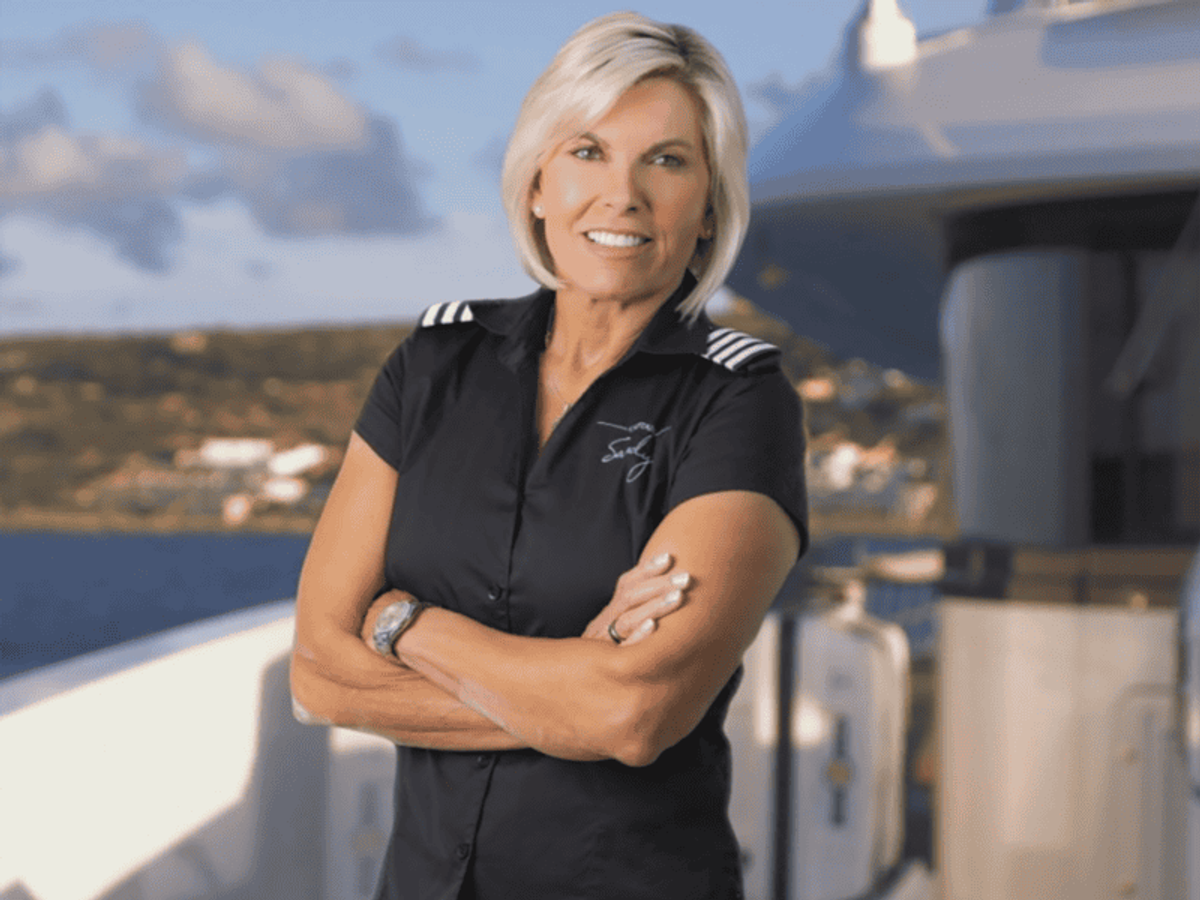
Captains, officers, and crewmembers are often a yacht owner and boat designer’s biggest asset in the realm of superyacht refits. Capt. Sandy Yawn’s famous, “Teamwork makes the dream work,” saying was echoed by other “Below Deck” captains and officers when speaking with Triton.
“The owners really need to be educated,” Yawn told Triton. “Because it’s really all about budget.”
The gargantuan task of re-imagining and breathing new life into a vessel is a delicate dance between taking safety and operational functionality into account, along with aesthetics and crew needs — all while staying on budget, which can be a daunting task within itself.
“It’s about making sure that you as a captain get the budget right. Because if the budget isn’t right, then there are some jobs you just can’t finish,” Yawn added. “It’s also about controlling your crew, meaning the different departments will have their own agenda, so you need to make sure that there’s a good balance across departments.”
Bottom line, Yawn believes that before embarking on a refit, it is important to know your budget, which includes pricing everything out.
“When the workers come on board, do you track the cost by the time they walk on board and what time they walk off? You make sure that they are actually on the boat working based on their billable hours,” Yawn said.
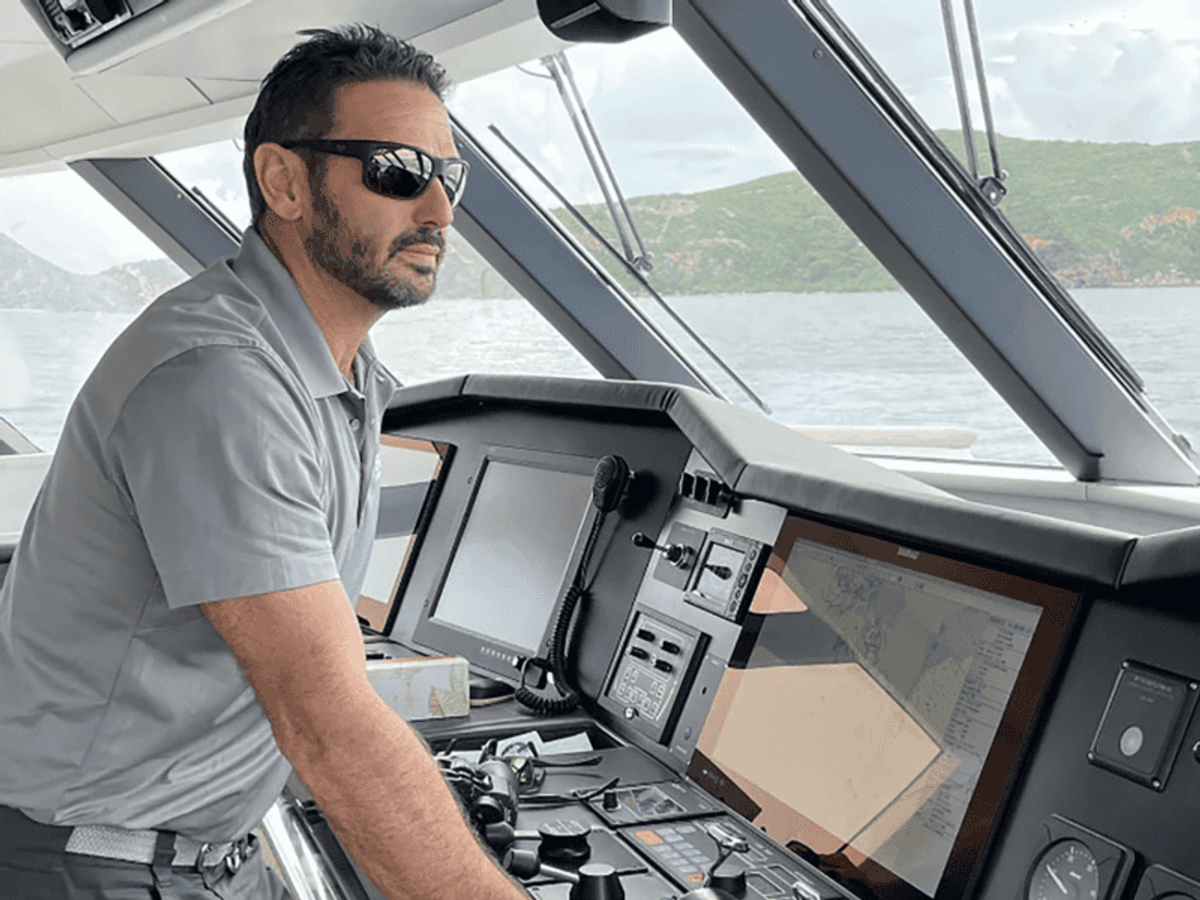
Prioritizing the complexity of engines, equipment, and regulatory considerations are vital, but so is safety and operational functionality — which usually takes precedence for most captains. Capt. Jason Chambers from “Below Deck Down Under” can’t emphasize enough that while the captain takes a lead position in a refit, they also need some downtime in between seasons. A good project manager can help bridge that gap.
“Captains need to be involved in refits to ensure the owner requests and maintenance work is completed appropriately and to the best standards,” Chambers said. “The benefit of engaging a good project manager is to streamline the refit process and orchestrate the scheduling of contractors within a tight schedule.
“The project manager and captain need to cooperate effectively, meet regularly, and communicate throughout the refit process,” Chambers continued. “The end goal is ultimately to have the refit completed on time and ready for the upcoming season.”
Both Chambers and Yawn agreed that the vessel should establish strong relationships early to meet flag state requirements. A good relationship can help keep the regulatory process streamlined and hopefully avoid delays.
Once key players were established, the “Below Deck” captains and officers, regardless of department, agreed that safety updates and upgrades are always paramount. Capt. Kelley Johnson, who was a deckhand and bosun on “Below Deck,” said implementing the latest technology, especially when it comes to safety, is key to a successful refit.
“Using Starlink for communication ensures reliable contact even in remote seas, improving emergency responses and weather tracking,” Johnson said. “Modern navigation tools aid in precise routing and avoiding collisions, while an engine refit enhances reliability and efficiency.”
Upgrades like these make ships safer for everyone on board, which is why it’s important to make sure refits aren’t always focusing on the interior of the yacht.
“I have seen too many refits that just touched the interior for the guest areas — that never ends well for the vessel and its crew,” Johnson said.
Johnson also thinks the “below deck” world should be considered and refit designers should strive to create comfortable crew cabins and functional crew spaces. As a former deckhand, Johnson has enough experience knowing what makes for a peaceful and functional crew area.
“The aim is to create an environment that reduces the stress of life at sea,” Johnson said. “Such considerations in a refit significantly improve the quality of life on board, leading to a happier, more rested, and therefore more efficient crew.”
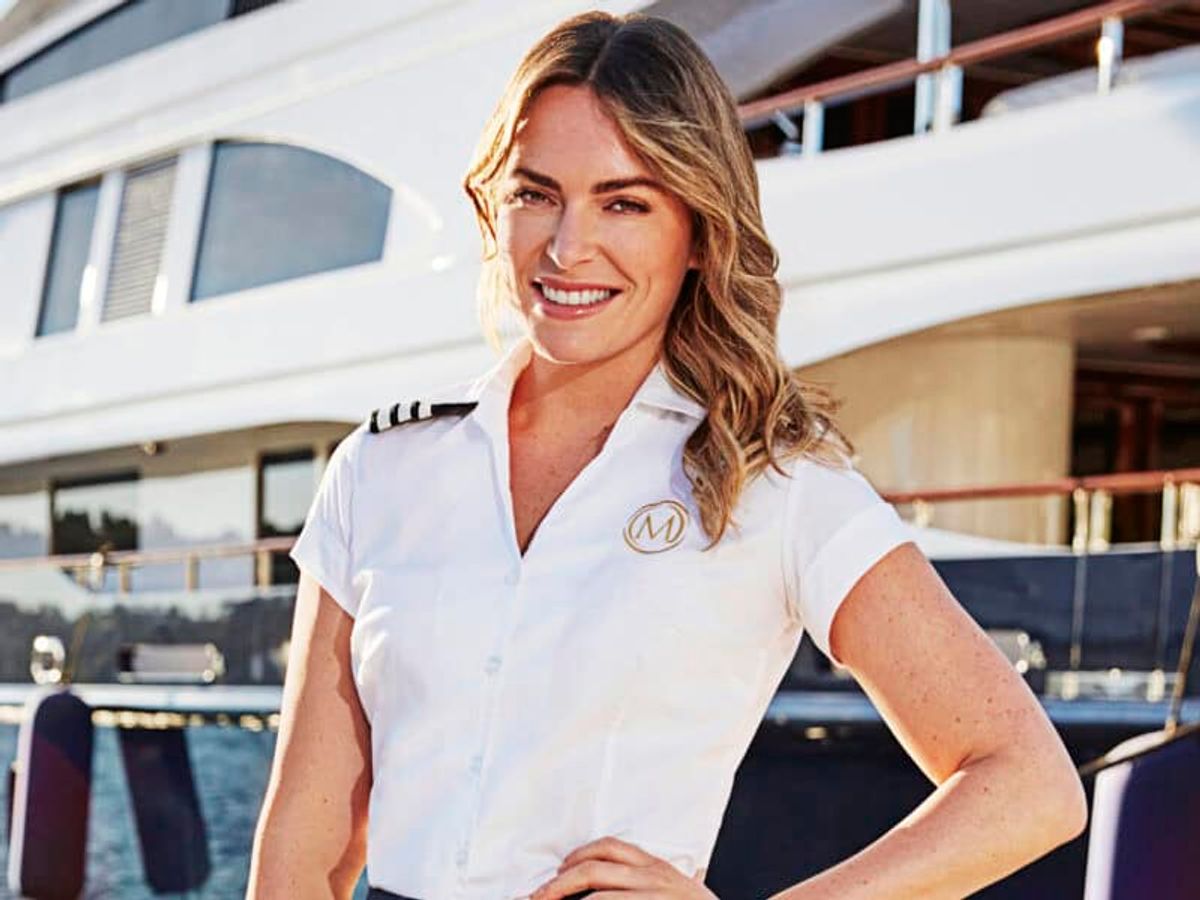
Chief Stew Katie Flood, who worked for Yawn on “Below Deck Med,” said while the outcome is the end goal, she wished the refit process was smoother for the crew. Flood’s current superyacht underwent a full, year-long refit, and she said the result was magnificent but described the process as being pretty bumpy, especially for the interior.
“The big thing people don’t really realize is we have to take everything off the boat,” Flood said. “I think we had like 17 containers or something in our shipyard with all our stuff. The same for the deck crew — they have to take out all the toys, beach set up, all the tenders, all the doors, everything.”
“Sometimes we won’t have water or power in some parts of the boat or the A/C will be turned off,” Flood said. “As a chief stew, it would be really nice for the captain to understand how much work it is for us.”
Chambers supported Flood’s reflection on how refits directly impact the crew during the process, too. He said that owners should have a good location for crew to rotate out for a well-earned vacation and ample onshore assistance. Also important to note, according to Chambers, the process for importing parts against taxes and crew visas all play a role in choosing a location.
“At the end of the day,” Yawn said, “it’s about the money you spend and the quality of work — it really is dependent on the entire team.”