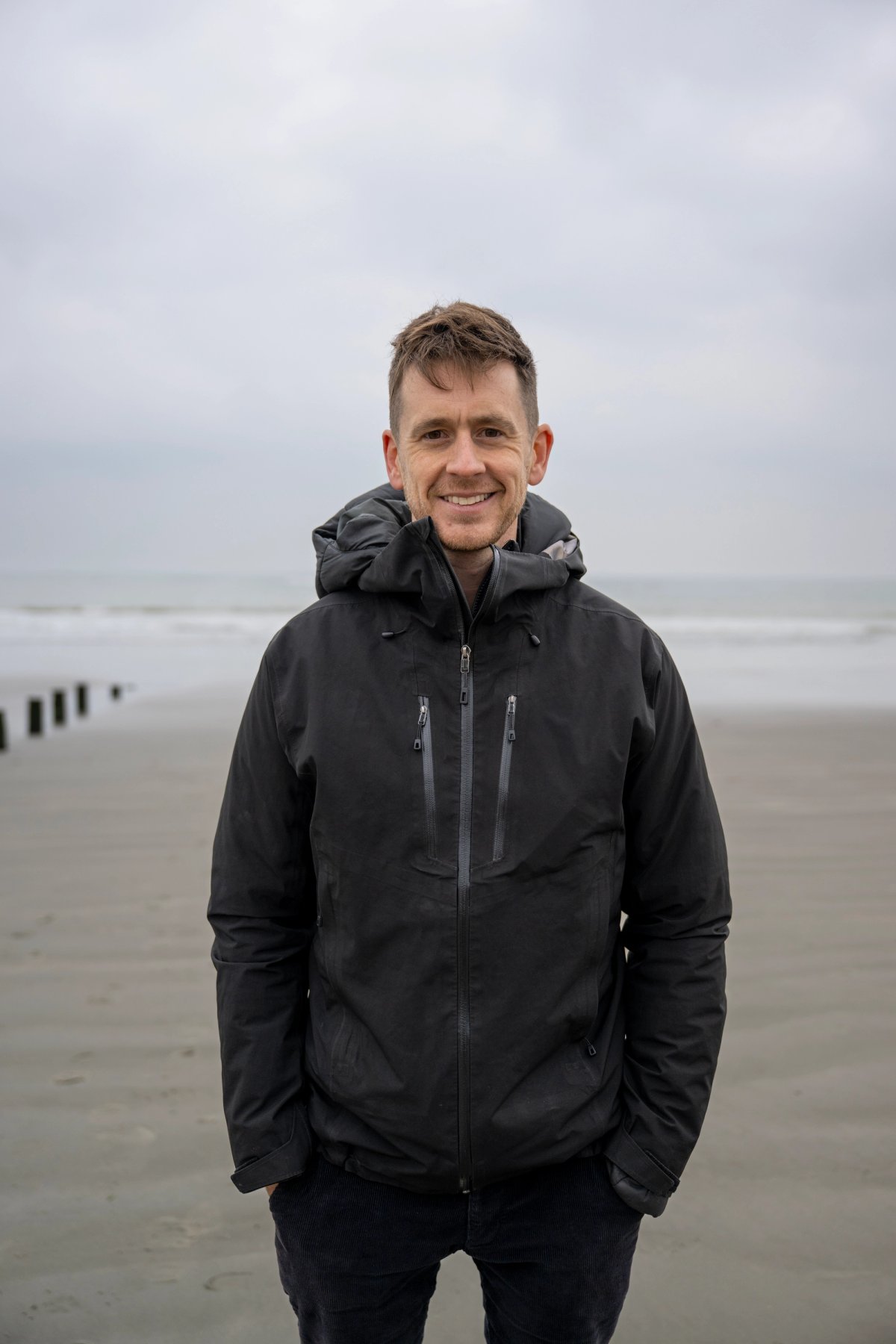
“Ocean, with David Attenborough” takes viewers on an underwater journey, showing the realities and challenges our oceans are facing around the world. From destructive fishing techniques like bottom trawling to coral reef bleaching, Ocean shows first-of-its-kind footage of the devastation occurring around the globe. Yet, the film is optimistic, with Attenborough delivering what he belies is his greatest message: the ocean can recover to a glory beyond anything anyone alive has ever seen. Triton spoke to Ocean’s Director Toby Nowlan to learn more about how the film was made and how the yachting industry can help make change for the better.
How did your journey with the ocean and filmmaking inspire you to create a film addressing the ocean’s problems?
I’ve been obsessed with wildlife since I can remember — it’s what’s driven me more than anything to help make a difference in its survival and future. It’s always been my dream to contribute to the conservation movement and film brings these two things together.
I had a dream to create films that made a difference in the natural world. Ocean brought the greatest opportunity for that — a dream come true, it had the potential and power to drive real change, which was the dream from the beginning. The ocean draws me, especially sea birds, whales, and dolphins — they intrigue me and represent a sense of wildness and wilderness like nothing else.
How did you go about researching and uncovering these ocean issues?
I read up about the ocean from great authors, including Callum Roberts and Dr. Helen Czerski. I realized that we have an incredible story to tell: the idea that if you protect an area of the ocean, the process of recovery is completely different than on land. On land, you protect just the life within that area, in the ocean you protect that life within it, but then life recovers in a much more dramatic and spectacular way — quicker than we'd ever dreamed possible. It floods out into surrounding areas of the ocean, filling them with life again. By protecting some areas of the ocean, we can fill it with life again and live in a world that doesn't just survive, but thrives.
Given Ocean’s breathtaking visuals, what challenges did you face when shooting underwater, filming various marine species, and documenting activities such as bottom trawling?
There are lots of different issues you could focus on with the ocean, but I wanted to focus on something big, clear, tangible, and fixable that could make a huge difference. That's where you get the most impactful story as opposed to just trying to cover everything. One of the great missions of the film became to capture bottom trawling cinematically and clearly on screen for the very first time. It took two years of development; technologically there’s a lot to overcome. There is a process that happens at depth, and on screen, it’s very violent, turbulent, and a lot of people don’t want that very common process to be seen on screen.
Because it happens out of sight below the waves, it’s why we need the great power of film. We released a bottom trawling clip just before the film went out and it has been seen by more than 800 million people now — it’s definitely had an effect.
One great moment from filming in the Atlantic near the Azores was filming bait balls. Weeks would go by and you wouldn’t see anything and suddenly you see the distant tornado of birds. If we got there in time suddenly we’d have these huge bluefin tuna the size of small cars rocketing over my shoulder slamming into the bait. It was wonderful just knowing that these spectacles, these scenes are still unfolding somewhere in the ocean.
Many people are curious how David Attenborough became involved in the film. What was it like working with him, and how did his full commitment shape or elevate the project?
It’s important to say that a huge number of people came together for this film, to make a difference for the ocean. A number of NGOs, filmmakers, funders, philanthropists — they all wanted to create a seminal film to make a difference and create an opportunity to enact great change for our ocean.
Who better to front it than the greatest front man himself: Sir David Attenborough. I’ve been working with David for 18 years, but nothing has come close to the privilege and honor of making Ocean. I have treasured memories of sitting on a beach filming the opening and closing lines to the film when he talked about how, after living nearly 100 years on Earth, he realized there’s nowhere more important than the sea, and that if we save the sea, we save our world. When I hear that final line in the film even now, it still chokes me up. I get an incredible emotional power from it and for me they are the most powerful words I've ever heard the great man say.
When you were creating this film, what was the reaction you hoped it would have? Have you seen any changes or progress in ocean protection that you had hoped for? If so, what have they been?
I’ve been doing screenings and speeches in parliament to prime ministers and presidents, the Icelandic president, the U.K. parliament, and the EU parliament. In all these places, it’s had an effect. We’ve been seeing it — it’s been brought up in front of politicians and used by politicians to try to change policy, and in some cases, it has changed policy. That’s always the dream.
What do you hope captains, crew, and yacht owners take from it — especially when it comes to protecting the oceans?
The yachting industry has this wonderful opportunity because of their exposure to the ocean. The yacht industry is a really important player and I hope they bring their opinions and voices to this movement. I hope they are shocked and surprised by the commonality of these most destructive processes happening across the ocean.
Hope is the most important story here and that's for the yacht professionals as much as anyone else. What was so wonderful about making the film is that you have these huge beacons of hope around the world, the recovery in the ocean is so quick and it happens even in the most devastated areas. I know that your professionals know that this is an ocean planet because their lives are tied to it and they have this great love for the ocean. If we love the ocean and we want it to have a future, for all of us to have a future, we need to go down this path of ocean protection.
What does the future look like for you as a film maker and an ocean and wildlife conservationist?
Overall, the future for me is one of hope. There’s been a lot of doom and gloom the last few years, but this really is a story of hope. Recovery is already happening if you look at the examples in the film, like Papahānaumokuākea. I think we have to hold on to this, hold on to the success stories because they are inspirational. The most important thing going forward as a conservationist is hope; if we don’t have hope, what’s the point in doing any of our work?