The New River: The yachting highway with a dark past.
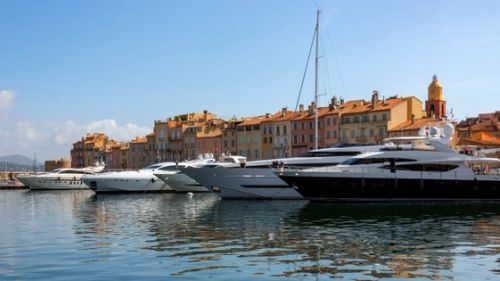
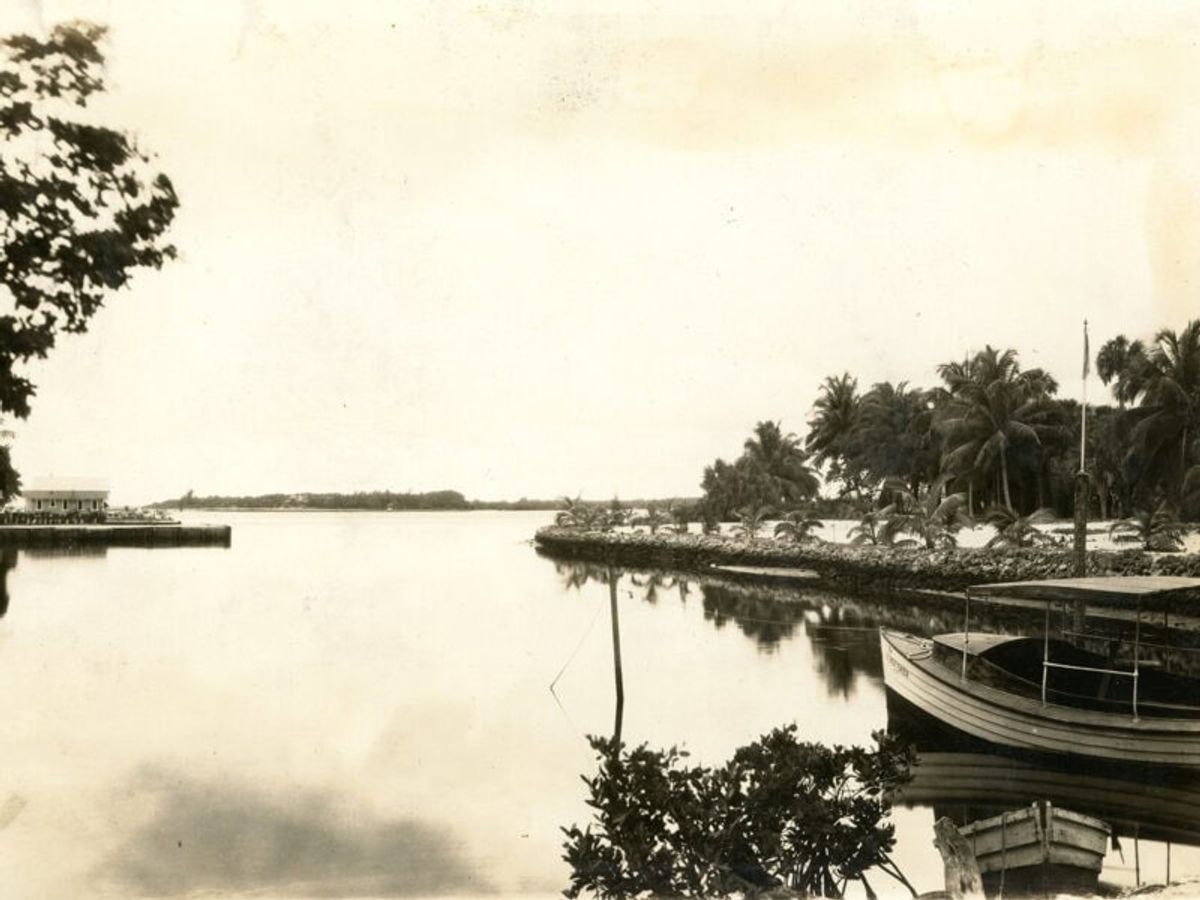
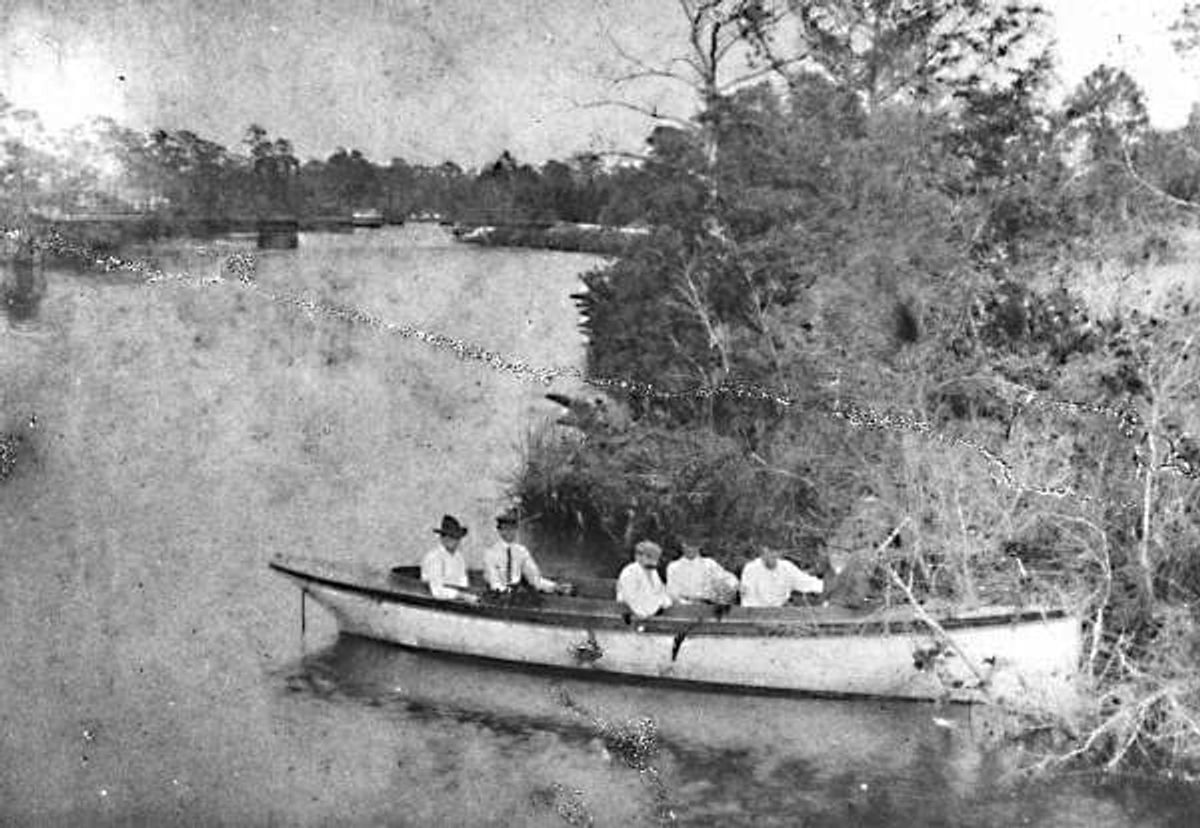
The New River is well-known as the connecting channel for superyachts and their captains and crew to get anywhere in Fort Lauderdale — marinas, refit facilities, the Fort Lauderdale International Boat Show, and more locations sit on the channel’s banks. Aside from the yachting industry, multi-million-dollar homes and sophisticated restaurants use the tributary canals to enhance their property’s status. While the New River has allowed Fort Lauderdale to earn the “Yachting Capital of the World” nickname, it wasn’t always the bustling superyacht highway it is now. Instead, while the New River was beginning to build momentum as a southeast Florida staple, a tragedy occurred along the channel. This tragic tale is now memorialized in a 1.13-acre park along the New River.
While the New River existed far earlier than when settlers discovered it, the story of the New River’s tragedy begins in 1813 with William Cooley. Cooley was 30 when he moved from Maryland to north Florida with hopes of continuing his life as a farmer, cultivating a small piece of land, and trading with the Native Americans.
“Bold and often audacious in speech, [Cooley] cultivated friendship with Indians led by Chief Micanopy,” wrote Cooper Kirk, Broward County’s first historian. Kirk’s excerpt of Cooley’s interaction is included in “Legends & Lore of Fort Lauderdale’s New River” by Donn R. Colee Jr., a book that details the New River’s mysterious and tumultuous history.
Cooley, armed with a strong moral compass and knowledge of the law, soon became involved in a dispute with a Spaniard’s claim to more than 300,000 acres of land that was historically native territory, wrote Colee Jr. Cooley used his legal knowledge to represent the Native Americans, but the Spanish government, which controlled northern Florida at the time, ultimately upheld the man’s claim. Once Florida became an American territory, the Spaniard sold his ill-gotten land to eager Americans, leaving Cooley disgusted at what he felt was an illegal land seizure. Cooley headed south in 1824, ultimately settling along the north bank of the New River.
Like most settlers at the time, Cooley simply settled along the New River without any effort to purchase the land, instead waiting for the new state government to establish formal ownership after surveying, according to Colee Jr. Cooley wasn’t satisfied with just a house, and built a manufacturing plant to process coontie, the Native American term for thick roots of cycad ferns.
Soon, Cooley’s small homestead turned into a first-class settlement along the banks of the New River. Cooley developed strong relationships with the Native Americans and was eventually appointed justice of the peace in 1831. This put him in charge of adjudicating area disputes and allowed him to assign punishments for minor crimes; major crime verdicts were sent to Key West for formal trials, wrote Colee Jr. During his political success, Cooley also married and fathered a daughter and two sons.
After a successful five years along the New River, the beginning of 1836 looked to be a celebration of Cooley’s hard work. On Sunday, Jan. 5, Cooley invited his New River neighbors for a feast to bring in the new year. It was a rare Sunday celebration, as the New River men were up early the next day to board Cooley’s wrecking boat and head 10 miles north to salvage the Spanish brigantine Gil Blas, Colee Jr. wrote. Wrecking, now known as salvaging, was a booming business that Cooley was involved in.
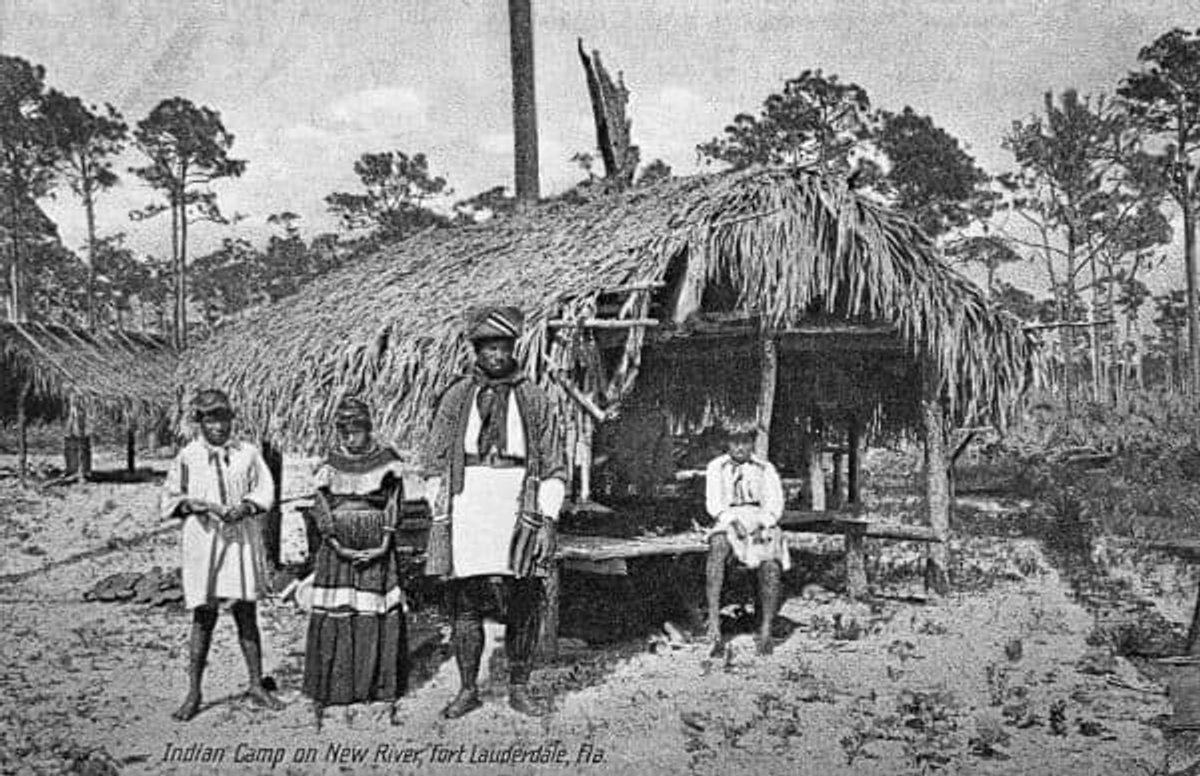
Unbeknownst to Cooley and his wrecking crew at the time, U.S. Army Major Franics L. Dade and more than 100 men were killed by Native Americans after marching from Tampa to Fort King, which sparked the Second Seminole War. While the start of the war immediately heightened tension between settlers and the Seminole tribe, an 1835 court case was the root cause of the tragedy that would soon befall Cooley.
Before the summer of 1835, white men had killed Chief Alibama and burned his hut in the Everglades. The Native Americans, after identifying the white men responsible for the act, brought the case forward to Cooley as justice of the peace. Cooley sent the offenders to Key West to be tried for the major crime.
“Instead of justice for the Natives, the charges were dropped ‘due to insufficient evidence,’” wrote Colee Jr. “[The Natives] blamed Cooley, saying, without proof, he had withheld evidence that was essential for conviction.”
As the Second Seminole War began and during the trial’s aftermath, the unthinkable happened. A watchful band of Native Americans moved into the New River settlement, attacking Cooley’s wife, three children, and the children’s tutor, Joseph Flinton, leaving them dead. How Cooley learned of the attack is unknown, but he returned to the empty settlement the next day to bury his family, according to Colee Jr.
Cooley remained in Florida in the years following the tragedy. He worked various jobs, from official duties to private undertakings, and traveled from Key West to military camps near Jacksonville, south along the Gulf of Mexico, and back to the Keys.
“It is also miraculous that he had no desire for revenge against the Natives, maintaining his respect, and while considering all they had taken from him, perhaps remembering all that had been taken from them,” Colee Jr. wrote.
Cooley’s pioneer settlement remained abandoned for decades, with his family and their faithful tutor buried on the riverfront. Cooley moved to Florida’s west coast and died in 1863. The tragedy that occurred along the New River marked the beginning of the Second Seminole War in South Florida, which led to even more, often undocumented, tragedies on all sides of the conflict.
Colee Hammock Park on the New River is all that is left of the original settlement. Readers may notice the difference in spelling between the park’s name and William Cooley, as Wesley W. Stout, former editor of the “Saturday Evening Post” and columnist for “The Beachcomber,” once did in 1954. Colee Hammock Park was created in remembrance of George Colee’s family, a different family that shared a similar last name. Stout’s investigative journalism found that the Colee family was not killed by Native Americans in 1836 and that, “Every detail of the accepted story of the ‘Colee Massacre’ is wrong.” Instead, Stout, along with future investigative historians and journalists, concluded it was William Cooley’s family that was killed. However, the park’s name was never changed.
Editor’s Note: This article could not have been written without the help of Donn R. Colee Jr. and his book, “Legends & Lore of Fort Lauderdale’s New River,” along with The Fort Lauderdale Historical Society. Purchase Colee Jr.’s full book that dives deeper into the New River tragedy and more stories of the New River by scanning below.
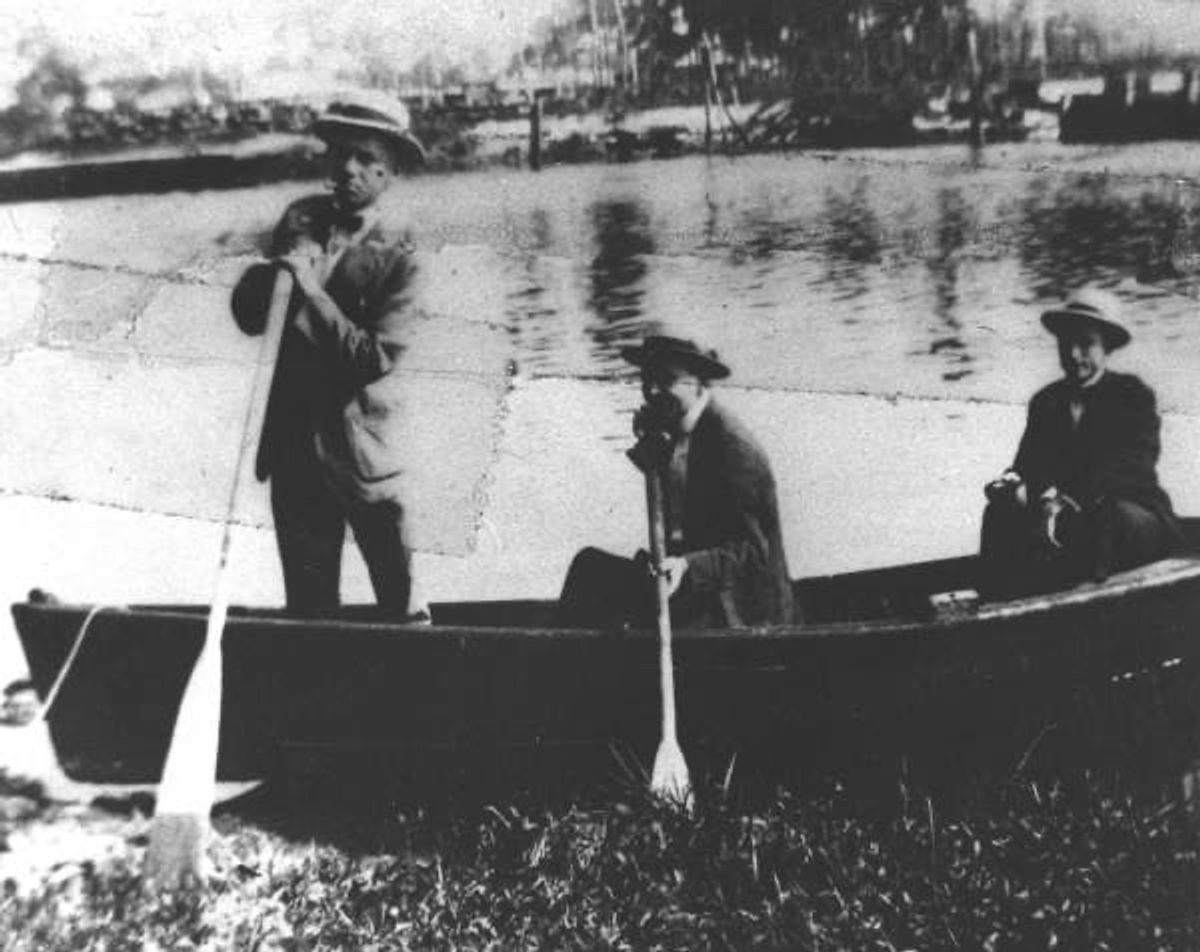
Images courtesy of The Fort Lauderdale Historical Society and Florida Memory.