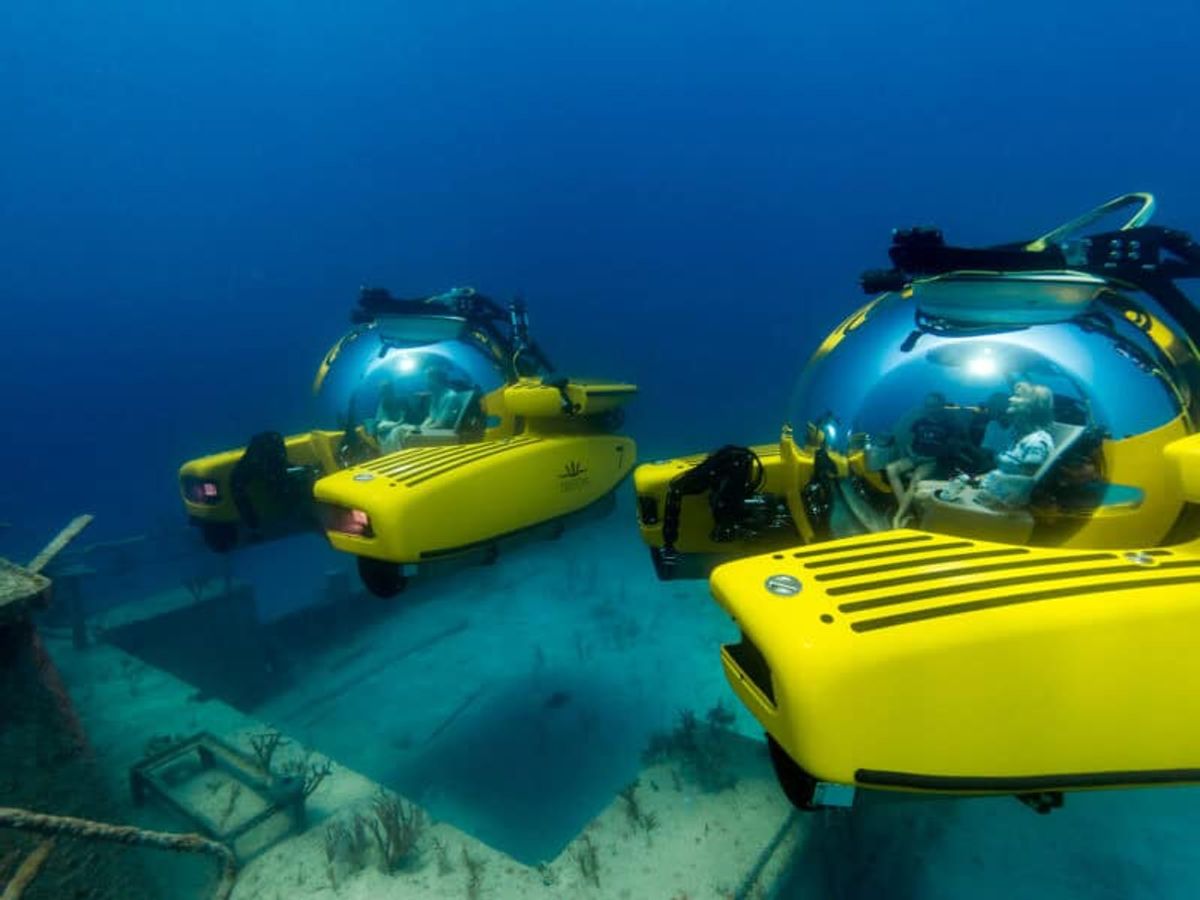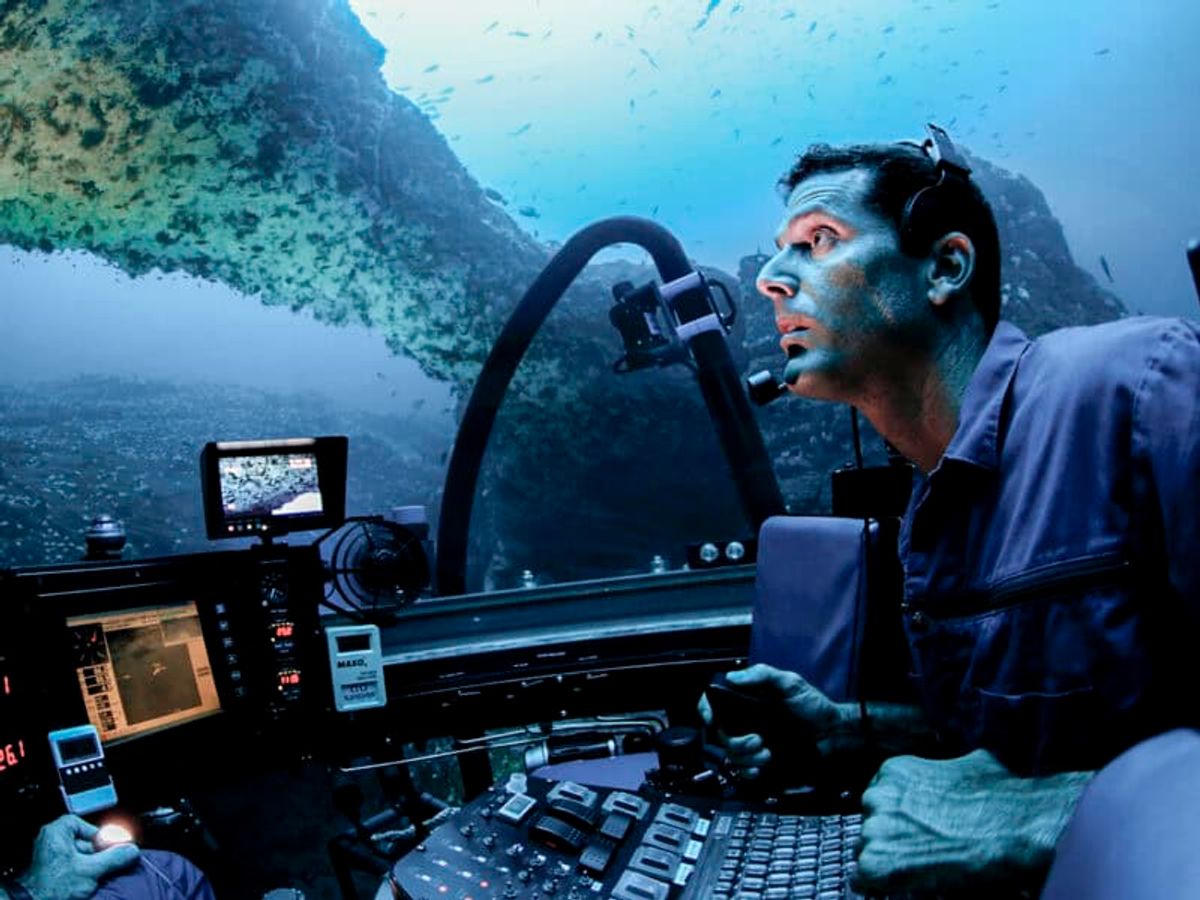
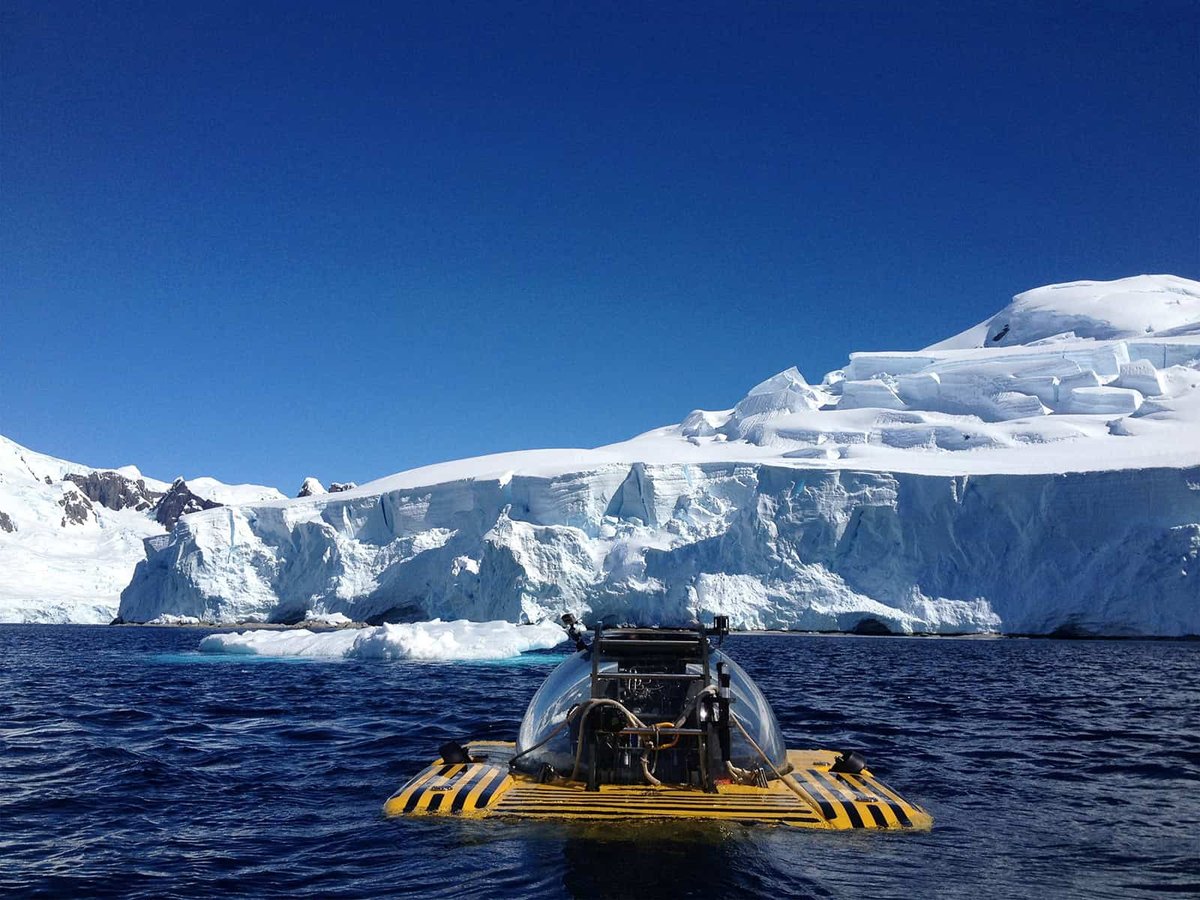
Working on board a yacht revolves around life on top of the ocean, but with submersibles rising in popularity, some crew have the chance to work in the depths of the blue, too.
Although personal submersibles are now catching the eyes of yacht owners around the world, they weren’t always a trusted addition to a yacht’s toy box. Patrick Lahey, CEO and co-founder of Triton Submarines, faced hesitancy and skepticism when he first introduced submersibles to the yachting world.
“The most critically important development was attracting an individual in the form of Chris Cline, who took a chance that we weren’t crazy and gave us an opportunity to build our first sub,” Lahey said.
The submersible built for Cline’s vessel Mine Games showed the possibilities and wonders of the underwater experience to Cline, who shared his experiences with others in the yachting industry.
“Suddenly it wasn’t just me talking about how wonderful it would be to have a sub on a yacht, you had an individual and owner that had one of these things and was speaking enthusiastically about the extraordinary experiences that they were having with it,” Lahey said.
As Triton helped open another dimension for the yachting industry to explore, many began to share the wanderlust with the depths of the ocean that Lahey has. Documentaries like Blue Planet II, Aliens of the Deep, and Galapagos, all created with the help of Triton Submarines, suddenly became live experiences – and yacht owners aren’t the only ones experiencing them.
Adding underwater exploration revolutionized the yachting experience, and it also changed many of the responsibilities captains, engineers, and crew have. A positive personal submersible experience can only be successful with properly trained operators, and many yacht owners look to their own crew to become specialized in the field.
Triton Submarines offers a comprehensive training program with every purchase of a Triton sub. Lahey’s training program doesn’t only teach captains and crew how to operate a sub, but it immerses them in the building of the sub as well. Participants work with the engineers creating the machine they’ll soon operate, learning how it works and what makes it tick.
“We teach them everything, how to rebuild a thruster, how to fix or rebuild a valve, and all those skills that will be helpful to them in the field when they’re eventually discharged with the responsibility of operating and maintaining that sub,” Lahey said. “The idea is to bring their knowledge and confidence level to a point where they’re self-contained and they can look after their own sub.”
Once crew have been certified to operate subs, the location, conditions and planning for an expedition are important as well. Some owners rely on companies like SubMerge to help them with this.
SubMerge works with yacht owners and crew to plan and manage private leisure submersible expeditions. Ofer Ketter, a longtime submersible pilot and the president of SubMerge, helps provide everything needed to make these expeditions successful. Ketter’s company helps guide crew through issues like using tenders for surface support and towing, but it also provides 3-D underwater maps of areas to help find interesting dive sites.
“There’s a lot of aspects around the actual operation, and when we have guests we want to give them the perfect experience and make it safe,” Ketter said. “And have the crew well-trained in the different ‘what if’ scenarios.”
The different ‘what if’ scenarios Ketter mentions are part of SubMerge’s quest to keep every expedition as safe as possible. Ketter recommends that his company get on board at least a week before the expedition so that they can run through the worst-case scenarios and practice the correct responses. Some of these might include a storm arriving before a submersible is set to emerge, heavy boat traffic around a submersible’s emerge point, or the proper response to a fire occurring in the submersible.
“The ideal scenario is to set aside time so that the entire ship is now working towards that submarine,” Ketter said. “You don’t want to be in a situation where now the owner is on board and he’s like ‘Okay I’m ready to go diving in the sub,’ and (the crew) is like ‘Wait, so who does what?’”
Lahey and Triton Submarines also put safety above all, owning a spotless safety track record.
“Those of us who build subs that are certified, classed if you will, accredited, enjoy a 50-year track record of perfect safety,” Lahey said. “That’s an enviable record and a record that doesn’t exist in any other form of transportation.”
Many questioned the safety of submersibles after OceanGate’s Titan submersible tragedy in June, but Lahey believes the accredited manufacturers of submersibles should not be grouped in with the creators of the Titan.
“Unfortunately, the reality is that people just don’t know enough about this type of equipment to differentiate between an experimental abomination like the OceanGate craft and the beautifully designed, thoughtfully engineered, and carefully manufactured subs that legitimate builders in our world produce,” Lahey said. “I think it’s very important that we establish the distinction between that experimental craft that should have never carried human beings – it was not fit for human occupancy – from the type of machinery that we’re talking about putting on yachts that Triton produces.”
If the industry uses accredited submersibles that meet the classification society standard, they can be used in absolute confidence and in total safety, Lahey said.
“Submersibles are magical machines, they transport you to what I consider to be the most beautiful part of our planet, and I don’t want people to be afraid of them,” Lahey said. “But I think we have to insist on accreditation, we have to insist on certification, and if we do, we can continue to enjoy this wonderful track record of absolute safety.”
Triton’s new charter issue is now out! Click here to read it!