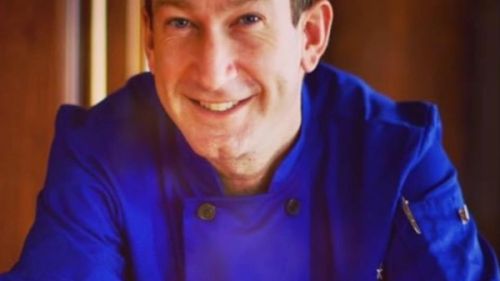
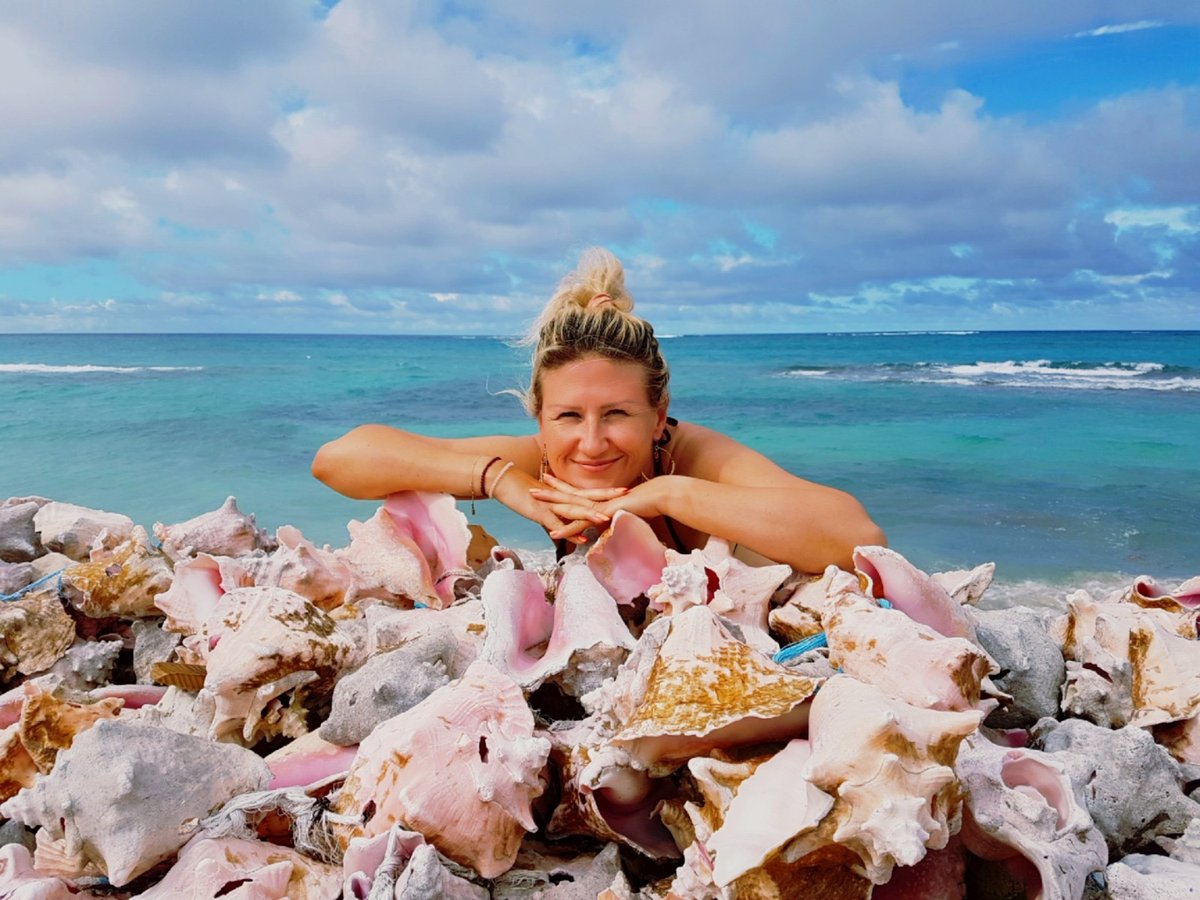

Triton spoke with Meeli Lepik, founder of Holistic Yacht Interiors, about her journey from life at sea to launching her own business. With years of experience as a chief stewardess working on refit and new-build projects, she developed a deep understanding of the gap between yacht design and day-to-day operations. Today, she’s on a mission to bring that operational perspective into the build process to reshape how yacht interiors are conceived.
How did your yachting career start?
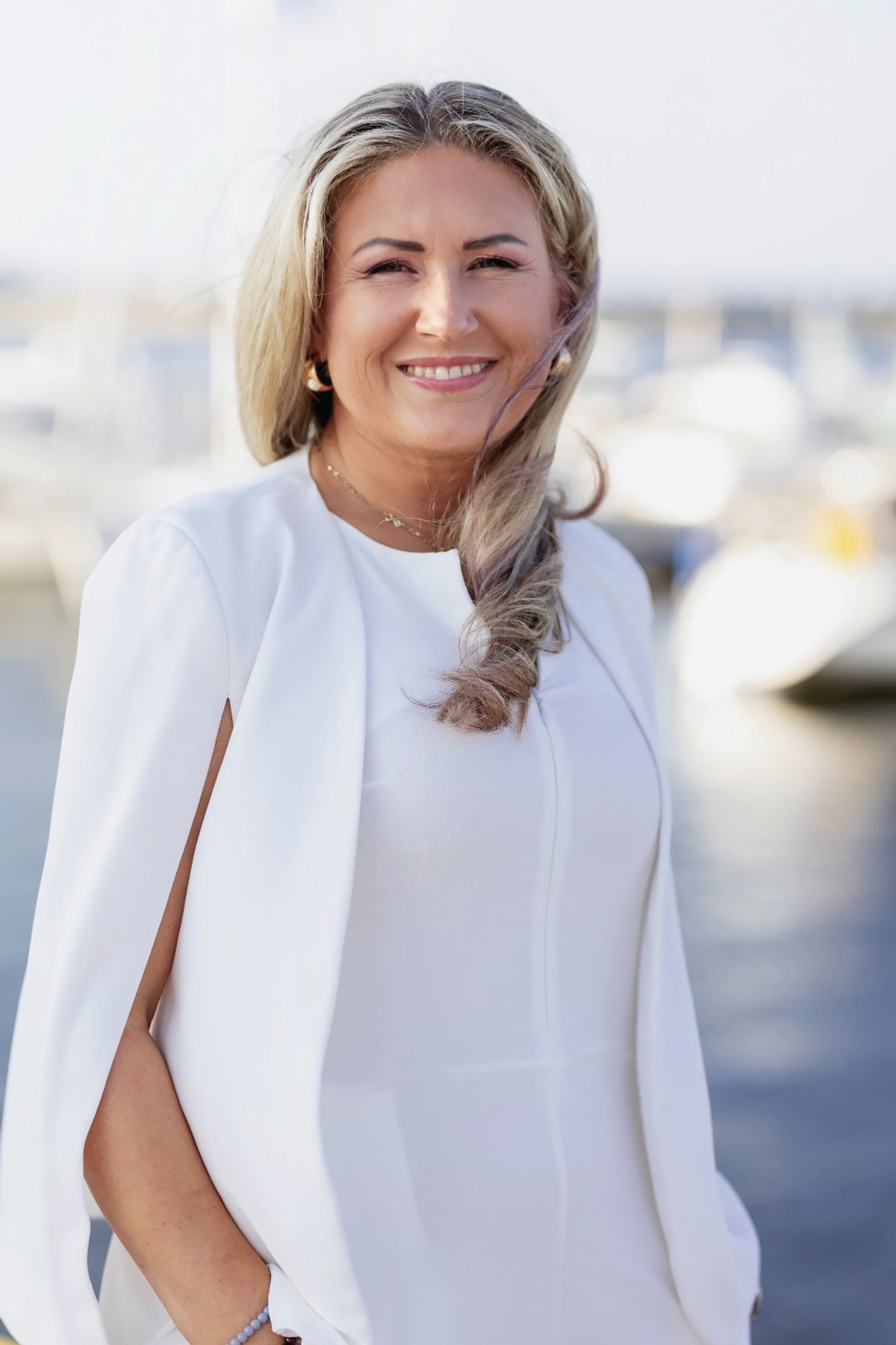
I started in 2012 and before that I was already a seafarer for about eight years. I started on a 50-meter boat as a second stewardess, and the competition has always been quite tough. Back in the day, coming from Estonia, not being a native English speaker, and not being so young, it wasn’t necessarily an easy path. A 20-year-old South African or [British person] would potentially be more successful; however, it was quite a particular vessel. The owners were Middle Eastern, and they were looking for a stewardess who had in-depth knowledge in Arabic culture, cuisine, religion, etc. I studied theology before yachting and lived and worked in Oman for two years and later I wrote a travel book about it. So funnily enough, my previous experience was my foot in the door.
What is Holistic Yacht Interiors?
Holistic Yacht Interiors is a consulting service for yacht interiors and its aim is to bring the operational perspective into the construction and design process. It also highlights the importance and raises the awareness of operational yachting — how important it is in every step of the way to consider the end user’s needs. I realized this is appreciated, but not available throughout the new builds I worked on. Operations is hardly ever represented, so you actually have a missing link, and this is the gap Holistic Yachting Interiors is filling.
What got you interested in this field of yachting?
One day in 2016, I got a call from my captain in a Lürssen yard working on a new-build project asking me whether I would want to come and be the build chief stew. I said yes, and I would almost say that this is the point where the rest is history. I was a little bit, once bitten twice shy from previous experience, but that new project was an 85-meter model, and I had free rein to implement what I thought needs to be done for a successful interior operation. We had nice collaborations, the boat was successfully delivered, and I stayed on board to operate the interior.
I haven’t just been in the yard as a build chief stew or interior manager, but after delivery I’ve always moved on board to run the interior. You really get the best from both worlds and learn whether the decisions you’ve been making in the yard are actually working. I found through that experience that the new build, creating the structure, building the teams, building the systems, connecting all the different parts, visions and ideas, zooming in and out from the end user’s perspective — it's what I do best and what I would like to do. I found that passion there.

What was the biggest challenge in transitioning from crew life to starting your own business?
Well, I was ready. I’ve never missed the life at sea. It became harder and harder to leave home when I went on board. [The biggest challenge] was perhaps the sense of urgency you always have on board, a certain level of perfection that is your bare minimum, and [realizing] you don’t have to operate on the same level at home. Then you can [feel] like you’re not doing enough, or maybe an imposter syndrome almost because you’re used to it being super hectic and fast. Then you realize that no, you can also do things at a normal pace.
Did your network within yachting help in launching your company?
I would go so far to say that it would not be possible without it. I always find that new-build projects have been beneficial because you aren’t living in your bubble like you are when you’re on board. When you’re in the yard, you’re more exposed to other parties. You get to see so many people who are at the top of the field, whether it’s handicraft, technology, or designers.
What advice would you give current yacht crew who are looking to start their own company?
You have to find out what you’re really passionate about. It’s like writing a book. It shouldn’t be like “I want to write a book,” you should feel like the book wants to come out from you and you can’t go on anymore unless you write it.
What’s next for you and Holistic Yacht Interiors?
I’m working on a product for the wider community — something I want to say doesn’t exist today in the whole market. Depending on how things go, I can start introducing the idea in fall the earliest. I’m not saying much, but there’s great potential to connect the operations and construction even more.
On the other hand, I’ve started to promote yachting as a career in Estonia as well. It’s my little way of giving back because when you’re coming from the outside of the industry, it’s nearly impossible to enter it.
holisticyachtinteriors.com